Theia's Secret | Moon's Origin Near the Sun?
Okay, let’s talk about the Moon. We see it every night, a constant presence. But where did it really come from? Scientists have been scratching their heads about this for ages. Now, a new study suggests something wild: Theia , the ancient protoplanet believed to have collided with Earth to form the Moon, may have originated much closer to the Sun than previously thought. Let’s be honest, the implications of this are, well, astronomical.
Why This Matters | The Solar System’s Early Days
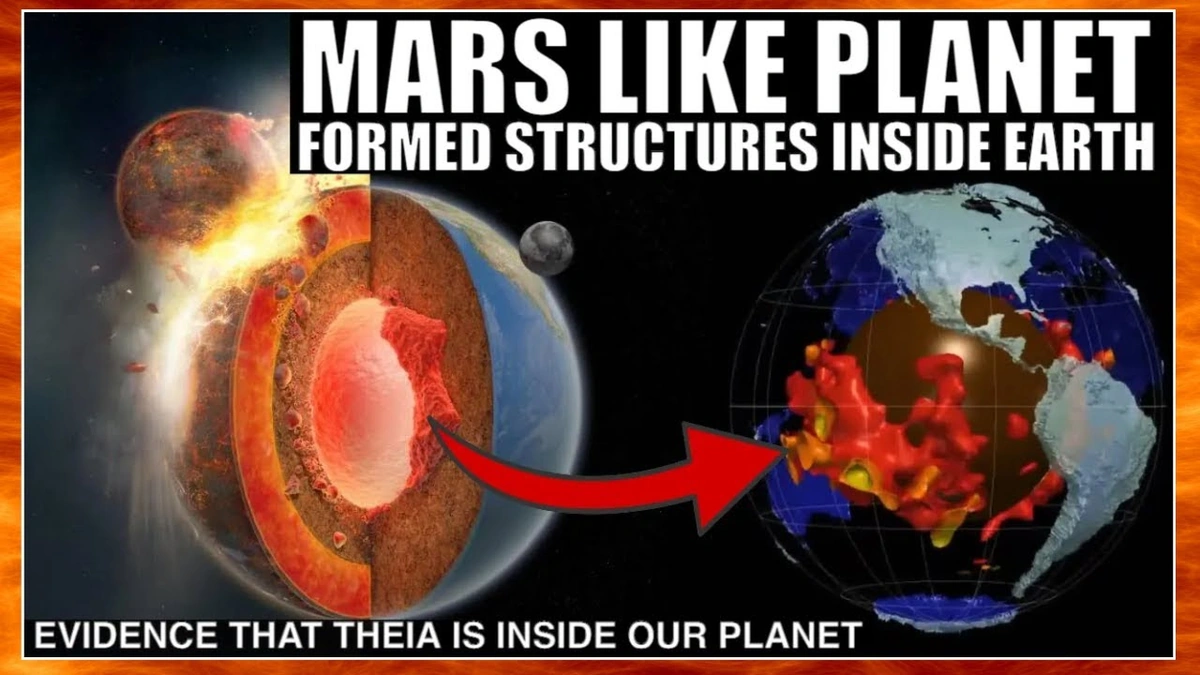
So, why does Theia’s origin story matter? Here’s the thing: understanding where Theia came from helps us understand the early solar system. Think of it like this: the early solar system was a chaotic place, a cosmic bumper car arena with protoplanets constantly crashing into each other. Each collision and merger shaped the planets we know today. If we can figure out where Theia hung out before its big smashup with Earth, we can learn a lot more about how planets formed and moved around in the early days of our solar system. It’s like piecing together a cosmic puzzle.
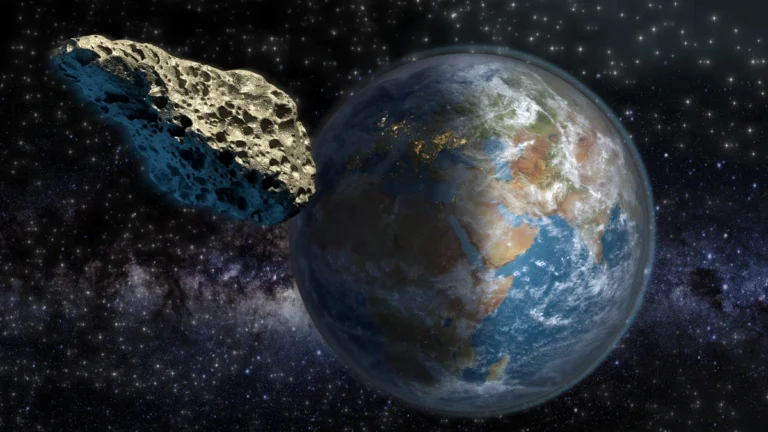
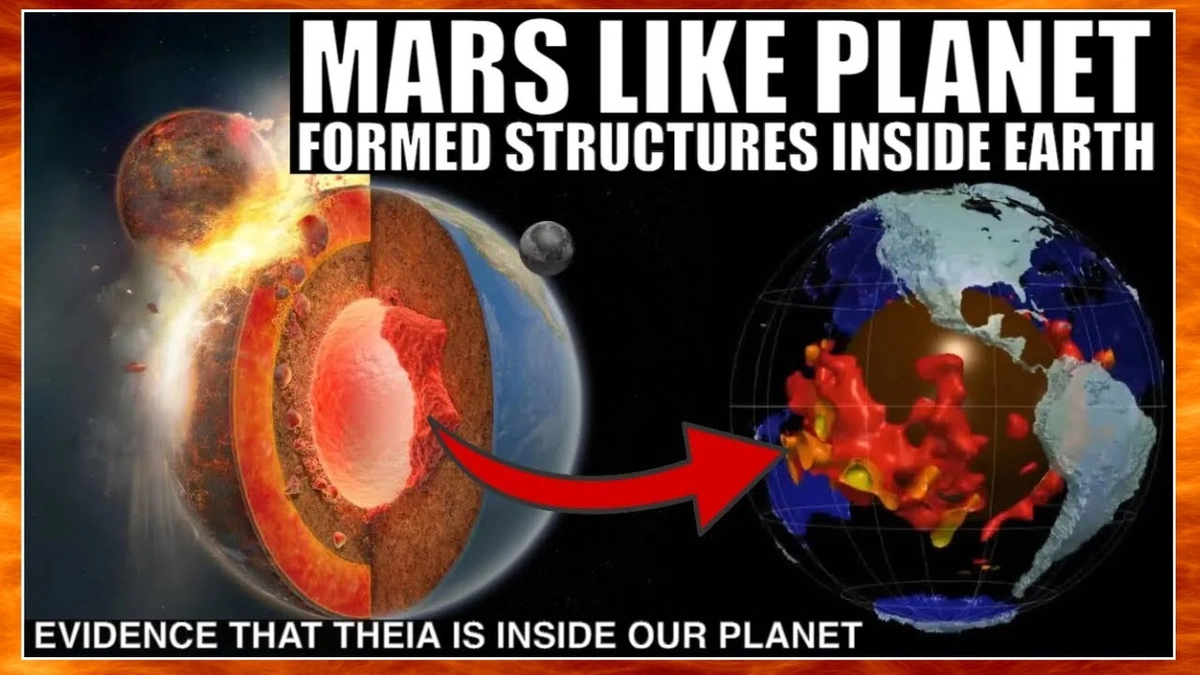
The prevailing theory, the Giant-impact hypothesis, posits that a Mars-sized object, Theia, collided with the early Earth. The debris from this collision coalesced to form the Moon. But the isotopic composition of the Moon is remarkably similar to Earth’s. This similarity has been a major puzzle for scientists, because if Theia came from farther out in the solar system, its composition should be noticeably different. This new research, published in the journal Nature Astronomy , throws a wrench into that idea. This research suggests the moon’s formation is even more interesting than previously thought.
How Scientists Figured This Out | A Deep Dive
Now, how did the scientists arrive at this conclusion? It wasn’t easy. They used sophisticated computer models to simulate the early solar system and track the movement of protoplanets. These models take into account a whole bunch of factors, including gravity, the pull of the Sun, and the interactions between different objects. A common mistake I see people make is thinking of the solar system as a static place. It’s anything but! It’s dynamic and constantly evolving. The team focused on the isotopes of elements found in lunar rocks, comparing them to those on Earth. Isotopes are variations of elements with different numbers of neutrons. The subtle differences in these isotopes can act as fingerprints, revealing where a particular object originated. After painstaking analysis, the team concluded that Theia’s isotopic composition was more similar to inner solar system objects than to those from the outer solar system. The scientists’ findings were based on high-precision measurements of titanium isotopes in lunar samples brought back by the Apollo missions.
According to the study, Theia likely formed within Earth’s orbit or possibly even closer to the Sun. This proximity explains the isotopic similarities between Earth and the Moon. As per the guidelines mentioned in the information bulletin, the team utilized advanced computational methods to trace the possible formation locations of planet Theia . This is where the ‘how’ angle truly shines. It’s not just about data; it’s about innovative problem-solving.
The Emotional Angle | A Cosmic Connection
Think about it: if Theia formed near the Sun, that means Earth and Theia were cosmic neighbors, sharing a similar environment and building blocks. This adds a whole new layer to our understanding of the Earth-Moon system. It suggests a much closer relationship than we previously imagined. It’s kind of like finding out that your best friend is actually a distant relative. It deepens the connection. Let me rephrase that for clarity: our Moon isn’t just some random rock; it’s a piece of our own neighborhood, a sibling forged in the same cosmic fires. The Moon’s origin is now tied more closely to our own planet’s beginnings, and that’s a beautiful thought.
But, of course, it’s important to remember that this is just one study. Science is an ongoing process, and new evidence could change our understanding of Theia’s origins. What fascinates me is that each new finding refines our cosmic narrative.
Implications for Understanding Planet Formation
So, what does this all mean for our understanding of planet formation in general? Well, it suggests that planet formation in the inner solar system might have been more complex than we thought. It also highlights the importance of giant impacts in shaping the planets we see today. Giant impacts weren’t just destructive events; they were also creative forces, helping to build the worlds we know and love. It challenges our assumptions about how planets form and where they can form. The more we learn about Theia’s formation , the more we refine our understanding of the early Solar System.
The findings have implications for understanding the distribution of materials in the early solar system. If Theia formed closer to the Sun, it suggests that the inner solar system was more chemically diverse than previously thought. This diversity could have played a crucial role in the formation of Earth and the other terrestrial planets. It’s not just about the Moon; it’s about the entire neighborhood. This study aligns with the broader scientific endeavor of understanding our place in the universe. For more information on other celestial events, check out this article on ISRO observing an interstellar comet .
Challenges and Future Research
Of course, this new hypothesis also raises some questions. If Theia formed closer to the Sun, why does the Moon have such a similar composition to Earth? Did some sort of mixing occur after the impact? Or was Earth’s early composition different than we thought? These are all questions that future research will need to address. Scientists will need to develop even more sophisticated models of the early solar system and analyze more lunar samples to test this new hypothesis. It’s a never-ending quest for knowledge.
Future missions to the Moon could also provide valuable data. By collecting and analyzing samples from different parts of the lunar surface, scientists can get a better understanding of the Moon’s overall composition and its relationship to Earth. The one thing you absolutely must double-check on is the integrity of the data collected from these future missions. This is vital in verifying Theia’s origins and understanding its impact on Earth’s formation.
The research opens doors to new questions about the early history of the solar system. It prompts us to reconsider the processes that led to the formation of Earth and the Moon, and it highlights the interconnectedness of planetary evolution. This isn’t just about understanding the past; it’s about understanding our future in the cosmos. Daily habits for a peaceful mind can help you better appreciate these cosmic discoveries.
FAQ
Frequently Asked Questions
What exactly is Theia?
Theia is the name given to the hypothetical protoplanet that is believed to have collided with the early Earth, leading to the formation of the Moon.
How do scientists know about Theia if it no longer exists?
Scientists infer Theia’s existence based on the evidence from the Moon’s composition, Earth’s mantle structure, and simulations of the early solar system.
What if Theia didn’t originate near the Sun?
If Theia came from farther out in the solar system, it would challenge our understanding of the isotopic similarities between Earth and the Moon, requiring alternative explanations.
Could future Moon missions help solve this mystery?
Absolutely. Future missions to the Moon could collect and analyze samples to provide more insights into its composition and origin, helping to confirm or refute the new hypothesis.
Is this the final word on the Moon’s origin?
Not at all! Science is an ongoing process. This new research adds another piece to the puzzle, but more research is needed to fully understand the Moon’s origin.
So, next time you look up at the Moon, remember this story. Remember Theia, the potential inner solar system wanderer, and the cataclysmic collision that shaped our world. It’s a reminder that even the most familiar things can hold deep and surprising secrets. The story of Theia and Earth , a tale written in the stars, continues to fascinate and inspire.
About the Author