Mars Unveils Comet Secrets! NASA's Closest Look
Alright, space enthusiasts, gather ’round! NASA’s been at it again, and this time, it involves our rusty red neighbor, Mars , and a visitor from way, way out – comet 3I/ATLAS. Now, you might be thinking, “Okay, cool picture. So what?” But trust me, there’s a lot more to this story than meets the eye. This isn’t just about pretty pictures; it’s about understanding the very fabric of our solar system and the journeys these icy wanderers take. What fascinates me is how something so distant can suddenly come into focus, thanks to the incredible instruments we’ve put on Mars.
Why This Comet Flyby Matters | More Than Just a Photo Op
So, let’s dive into the “why.” Why should we care about a comet whizzing past Mars ? Here’s the thing: comets are like time capsules. They’re essentially leftovers from the formation of our solar system, containing pristine material that hasn’t been significantly altered in billions of years. Studying them gives us clues about the conditions that existed when the planets were born.
Think of it this way: it’s like finding an ancient manuscript. The closer you can examine it, the more you can learn about the era it came from. Similarly, these close-up views from NASA’s Mars missions provide unprecedented insights into the comet’s composition and behavior. According to NASA’s website , these observations help scientists refine their models of comet evolution and their interaction with the solar wind – the constant stream of charged particles emitted by the Sun. Plus, understanding how comets interact with planetary atmospheres, like the thin one on Mars , could shed light on how atmospheres evolve over time.
Decoding the Images | What Are We Actually Seeing?
Let’s be honest, a lot of space images can look like… well, blurry blobs. But experts use sophisticated techniques to pull meaningful data. The images from Mars reveal details about the comet’s coma (the fuzzy atmosphere surrounding the nucleus) and its tail (the stream of gas and dust trailing behind). Scientists analyze the colors and brightness of these features to determine the comet’s composition. For instance, the presence of certain molecules can indicate the type of ices and dust grains that make up the comet. What initially struck me was the sheer distance this comet traveled, it’s a testament to the vastness of space and the tireless work of scientists to capture these fleeting moments.
And, importantly, these aren’t just still photos. The instruments on Mars can also collect data on the comet’s velocity, its trajectory, and how it’s interacting with the Martian environment. This combined data gives scientists a much more complete picture than they could get from Earth-based observations alone.
The Martian Perspective | Why Mars Matters in Comet Observation
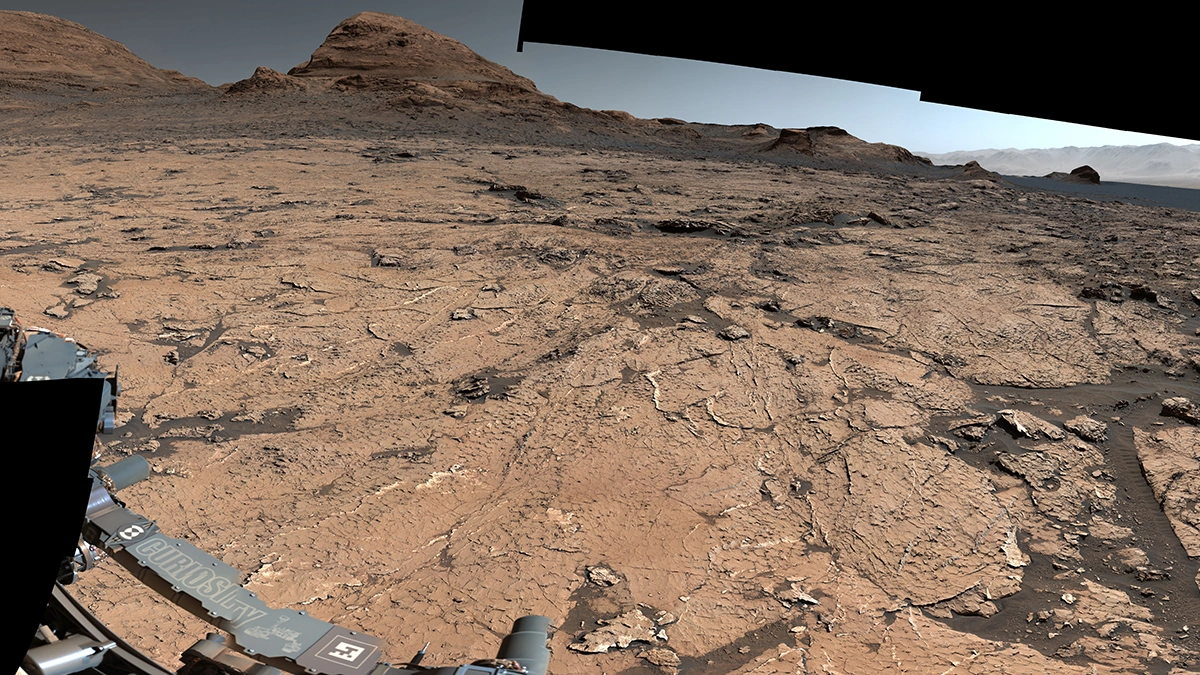
Here’s where things get really interesting. Why observe a comet from Mars , of all places? Well, Earth’s atmosphere can be a bit of a nuisance when it comes to astronomical observations. It distorts and absorbs certain wavelengths of light, making it difficult to get clear, detailed images of faint objects like comets. Mars , with its thin atmosphere, offers a much clearer view. It’s like watching a movie with the lights off instead of trying to watch it in broad daylight.
Furthermore, having multiple vantage points – both from Earth and from Mars – allows scientists to use a technique called triangulation to more accurately determine the comet’s position and velocity. This is crucial for understanding its orbit and predicting its future path. So, it’s not just about getting a pretty picture; it’s about doing some serious science. Make sure to check out meteor shower forecast for related content! What I find fascinating is the ingenuity of using another planet as a platform for astronomical observation. It opens up a whole new realm of possibilities for studying the cosmos.
Comet 3I/ATLAS | An Interstellar Wanderer
Now, let’s talk about the comet itself: 3I/ATLAS. This isn’t just any ordinary comet; it’s an interstellar comet, meaning it originated from outside our solar system. These visitors are incredibly rare, and they provide a unique opportunity to study material from other star systems. Interstellar comets carry information about the conditions in the alien environment from which they originated.
Scientists believe that 3I/ATLAS may have been ejected from its home star system by gravitational interactions with a planet or another star. After wandering through interstellar space for millions or even billions of years, it eventually stumbled into our solar system. Studying 3I/ATLAS can give us clues about the building blocks of other planetary systems and how common comets are throughout the galaxy. Make sure to also check out Saturn’s rings disappearance ! Here’s the thing, imagining the journey this comet has taken, across unimaginable distances, truly boggles the mind.
Looking Ahead | The Future of Martian Astronomy
These observations of interstellar comets are just the beginning. As we continue to explore Mars and develop more sophisticated instruments, we can expect even more groundbreaking discoveries in the years to come. The Martian surface provides a stable and relatively clear platform for astronomical observations, making it an ideal location for studying everything from comets and asteroids to distant galaxies and the cosmic microwave background.
The future of astronomy on Mars is bright. Imagine a network of telescopes and other instruments scattered across the planet, constantly monitoring the sky and feeding data back to Earth. This could revolutionize our understanding of the universe and our place within it. Let me rephrase that for clarity: establishing a permanent astronomical outpost on Mars is no longer a distant dream; it’s a realistic possibility that could transform our understanding of the cosmos. The possibilities are endless, and I, for one, am incredibly excited to see what the future holds.
FAQ Section
Frequently Asked Questions (FAQ)
What exactly is an interstellar comet?
An interstellar comet is a comet that originates from outside our solar system, having traveled vast distances from another star system.
Why is it better to observe comets from Mars?
Mars has a thinner atmosphere than Earth, providing clearer views of space objects like comets without the distortions caused by Earth’s atmosphere.
What instruments on Mars are used for these observations?
Various cameras and spectrometers on Mars rovers and orbiters are used to capture images and analyze the composition of comets.
How often do interstellar comets visit our solar system?
Interstellar comets are rare visitors, with only a few confirmed sightings in recent history, making each observation scientifically valuable.
About the Author