Solar Storm Surprise! Earth Just Got a Jolt
Okay, let’s be honest – when was the last time you thought about solar storms ? Probably never, right? But here’s the thing: these celestial hiccups can have a bigger impact on our lives than you might imagine. Recently, scientists were caught off guard by a solar storm that hit Earth. And it wasn’t just a minor blip; it was significant enough to raise eyebrows and trigger a flurry of research. Let’s dive into the why, how, and what it all means for you.
Why This Solar Storm Matters – More Than Just Pretty Lights
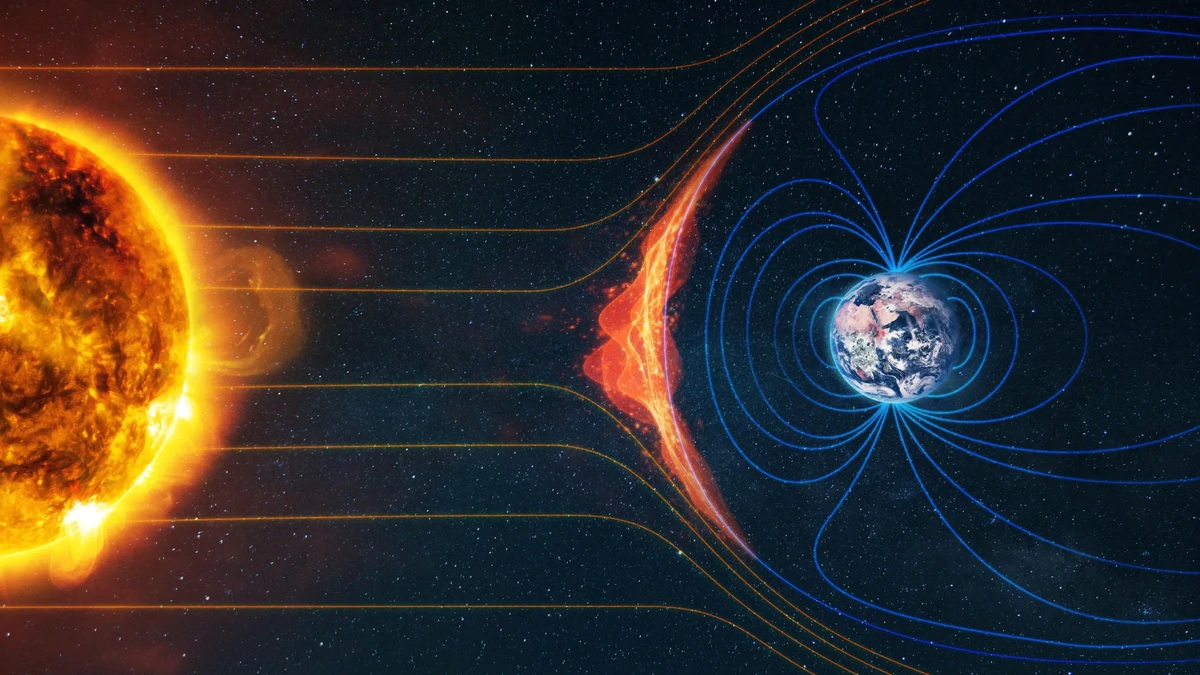
So, why should you care about a bunch of charged particles zipping through space? Well, the impact of a solar storm goes beyond potentially stunning auroras. Think about our modern life. It’s intricately woven with technology. Our GPS, power grids, and communication satellites are all susceptible to the whims of solar activity .
A powerful solar storm , like a coronal mass ejection (CME), can unleash a torrent of energy that disrupts these systems. Imagine your GPS going haywire during your morning commute, or worse, widespread power outages. According to NASA , severe solar storms can even cause damage to satellites, rendering them useless. And that’s not just a problem for space enthusiasts; it affects everything from weather forecasting to national security. The impact can also have profound effects on the global climate and atmosphere.
But – and this is a big ‘but’ – understanding these storms also gives us a chance to prepare and mitigate their effects. Predicting solar flares and CMEs is becoming increasingly sophisticated, allowing us to take preemptive measures to protect our infrastructure.
How a Solar Storm Actually Works: A (Relatively) Simple Explanation
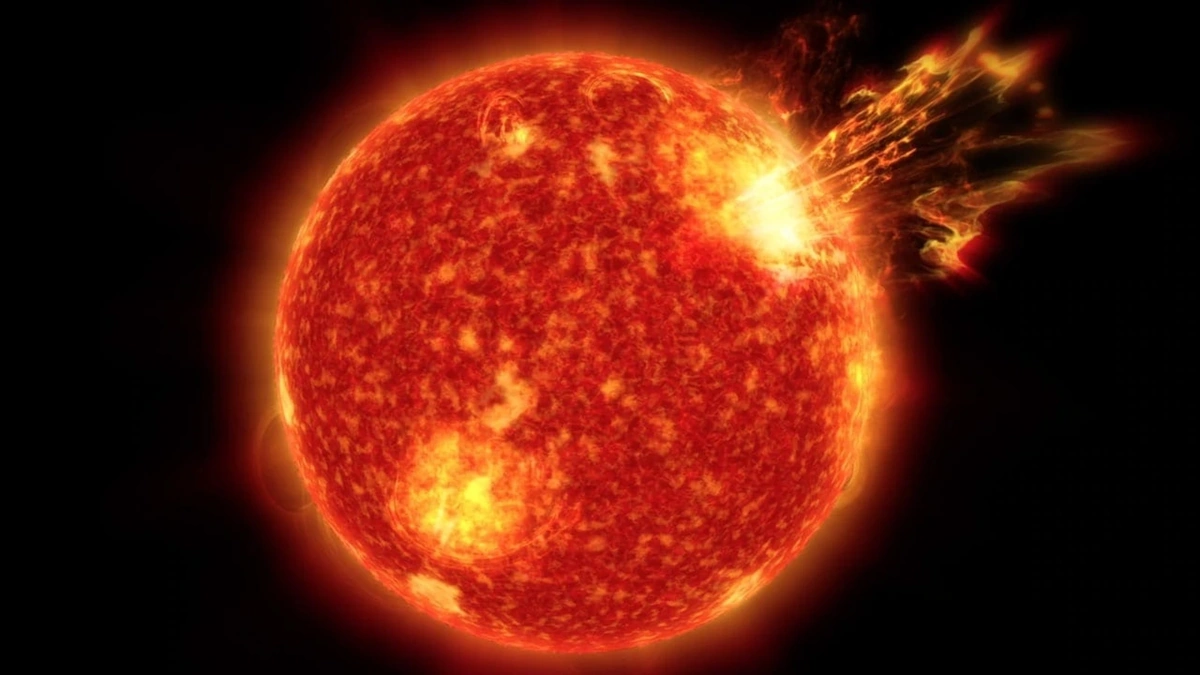
Let’s break down the science without getting too bogged down in jargon. The Sun is a giant ball of plasma – superheated gas with electrically charged particles. Sometimes, this plasma gets tangled up in the Sun’s magnetic field, creating intense magnetic activity. When this tension gets too much, it releases energy in the form of solar flares and CMEs.
Solar flares are like massive explosions that release electromagnetic radiation across the spectrum, from radio waves to X-rays. These flares can reach Earth in just eight minutes, causing radio blackouts and communication disruptions. CMEs, on the other hand, are enormous clouds of plasma and magnetic field that erupt from the Sun. They travel slower than flares, taking one to three days to reach Earth.
When a CME slams into Earth’s magnetosphere (the protective bubble around our planet), it can trigger geomagnetic storms. These storms can induce electrical currents in the ground, potentially overloading power grids and causing blackouts. It can also affect the accuracy of GPS systems , disrupt satellite communications, and create stunning auroras.
Solar Activity : Are We Entering a Period of Increased Storms?
Here’s where things get interesting. The Sun follows an approximately 11-year cycle of activity, with periods of increased solar flares and CMEs (solar maximum) and periods of relative calm (solar minimum). Scientists believe we are entering a new period of increased solar activity , meaning we could see more frequent and intense solar storms in the coming years.
I initially thought this was straightforward, but then I realized the implications are far-reaching. This increased activity could put our technological infrastructure at greater risk. It also highlights the need for continued research and improved forecasting capabilities.
According to experts at the Space Weather Prediction Center (SWPC), a part of NOAA (National Oceanic and Atmospheric Administration) , understanding the timing and intensity of these cycles is crucial for mitigating potential damage. And this knowledge comes from continuous observation using satellites and ground-based observatories.
Protecting Yourself and Your Tech | Practical Steps You Can Take
Okay, so you might be thinking, “What can I actually do about a solar storm ?” Well, while you can’t control the Sun, you can take some steps to protect yourself and your devices:
- Stay Informed: Keep an eye on space weather forecasts from reputable sources like the SWPC.
- Protect Electronics: During a severe solar storm warning, consider unplugging sensitive electronic devices to protect them from power surges.
- Backup Data: Regularly backup your important data in case of disruptions to cloud services or data storage facilities.
- Emergency Preparedness: Have a basic emergency kit with essentials like water, food, and a battery-powered radio in case of prolonged power outages. Also, consider checking out other things you should know about the solar system.
Let me rephrase that for clarity: preparation is key. A little bit of foresight can go a long way in minimizing the impact of a solar storm on your life.
The Astonishment Factor | Why Scientists Were Surprised
The recent solar storm that caught scientists off guard wasn’t necessarily unprecedented in its intensity, but rather in its timing and unexpected nature. Models and predictions didn’t accurately anticipate its arrival, highlighting the complexity of space weather forecasting. This event underscores the need for continuous improvement in our understanding of solar dynamics and the development of more sophisticated predictive tools.
What fascinates me is that, even with all our technological advancements, the Sun still holds surprises. It’s a humbling reminder of the power of nature and the importance of ongoing research.
FAQ About Solar Storms
What exactly is a coronal mass ejection (CME)?
A CME is a massive expulsion of plasma and magnetic field from the Sun’s corona. They can travel at millions of kilometers per hour and, if directed towards Earth, can cause geomagnetic storms.
How often do solar storms occur?
Solar storms , including flares and CMEs, occur frequently, but their intensity and impact on Earth vary. Major geomagnetic storms are less common but can have significant consequences.
Can a solar storm really knock out power grids?
Yes, a powerful solar storm can induce electrical currents in the ground that overload power grids, leading to widespread blackouts. This has happened in the past, and remains a concern for the future.
What is the difference between a solar flare and a CME?
A solar flare is a sudden release of energy in the form of electromagnetic radiation, while a CME is an ejection of plasma and magnetic field. Flares travel at the speed of light, while CMEs travel slower.
How can I stay updated on space weather forecasts?
You can stay updated by monitoring reputable sources like the Space Weather Prediction Center (SWPC) and other scientific organizations that provide space weather forecasts.
So, the next time you hear about a solar storm , don’t just shrug it off. It’s a reminder of the interconnectedness of our world and the powerful forces that shape our technological society. Stay curious, stay informed, and maybe keep a battery-powered radio handy – just in case!
About the Author