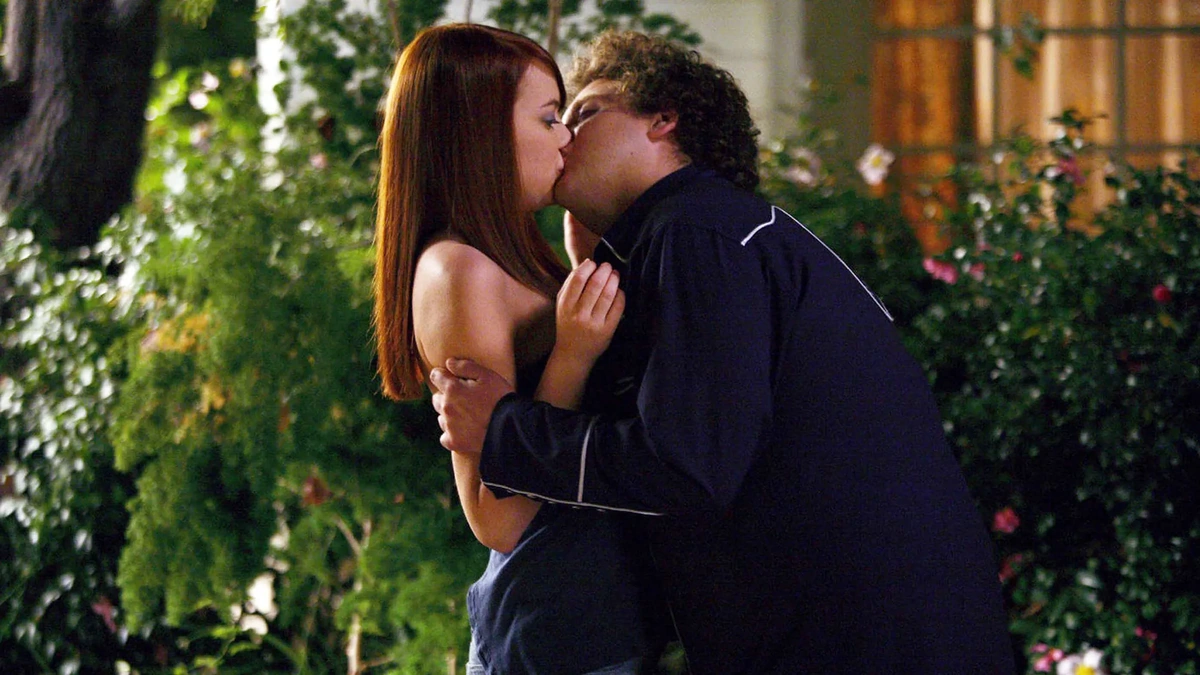
Kissing | A 21-Million-Year Secret Revealed!
Kissing. It’s something most of us do without a second thought. A peck on the cheek, a lingering lip-lock, a quick smooch on the forehead – they all convey affection, desire, or simple acknowledgment. But have you ever stopped to consider where this seemingly universal act comes from? I mean, really think about it? The history of kissing , believe it or not, stretches back way further than you might imagine – potentially 21 million years! Let’s dive in, shall we? Because the story is a whole lot more complex, and frankly, way more interesting than you probably think.
Why Do We Kiss? Unpacking the Evolutionary Puzzle
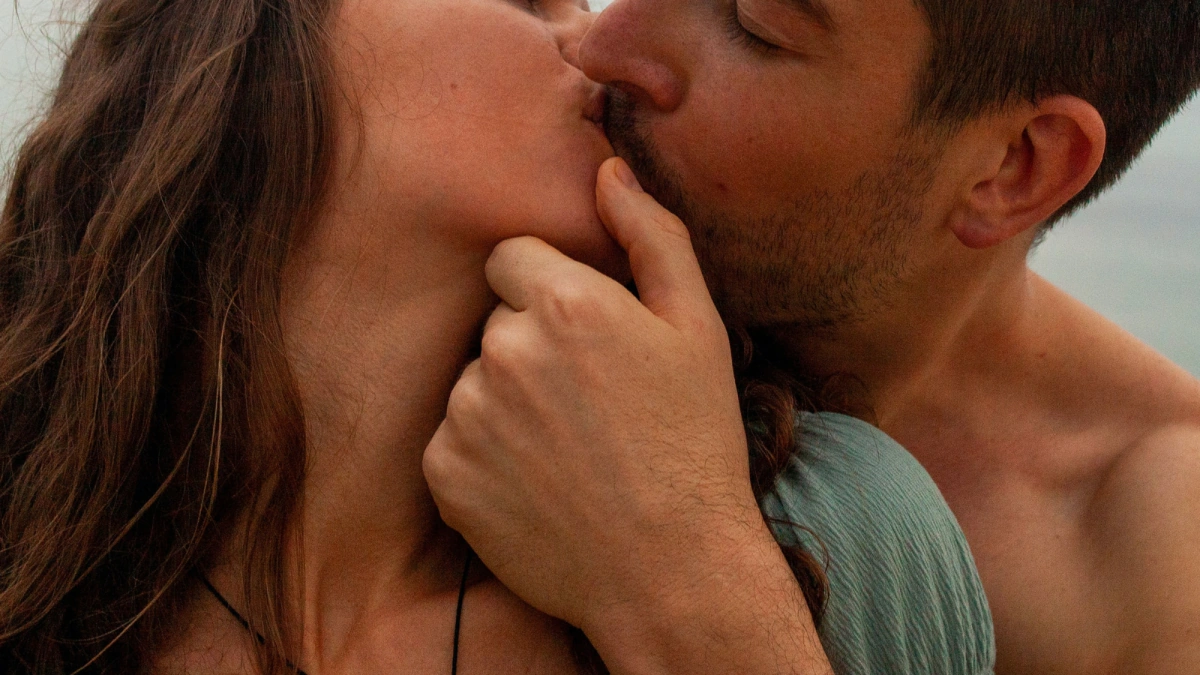
Here’s the thing: pinpointing the exact origin of kissing is tricky. I initially thought, “Oh, it’s just a cultural thing,” but I quickly realized that’s far from the full picture. Instead, what fascinates me is that the act might be rooted in our evolutionary past. Think about it. Primates, our distant ancestors, often engaged in “mouth-to-mouth feeding,” where mothers would chew food and then pass it directly into their offspring’s mouths. Gross? Maybe. But incredibly efficient for survival.
This act of sharing food likely fostered a strong bond between parent and child. Over millions of years, this association could have evolved into a way to express affection and connection. But, and this is a big ‘but,’ not all cultures embrace kissing. So, while there might be a biological basis, cultural norms play a massive role in shaping how (and if) we engage in affectionate lip contact . What fascinates me is how a seemingly simple act is actually a complex interplay of biology and learned behavior.
The Role of Culture | From Ancient Rituals to Modern Romance
Okay, so evolution might have laid the groundwork, but culture really took the reins. Ancient civilizations like the Sumerians and Egyptians depicted kissing in their art and writings. In some cultures, kissing was a ritualistic act, a way to seal agreements or show respect to royalty. In others, it was purely a private expression of love and desire. What I’ve always found interesting is the variations across different societies. The Romans, for example, had different types of kisses to denote different relationships – a ‘basium’ for friends, an ‘osculum’ for family, and a ‘suavium’ for lovers.
But even today, there are cultures where kissing is uncommon or even taboo. Think about it. Public displays of affection can be viewed very differently depending on where you are in the world. What seems natural and normal in one country might be considered shocking in another. This highlights the power of culture in shaping our understanding and acceptance of social kissing . And that’s why, as per the guidelines mentioned in various anthropology sources, understanding these nuances is key to appreciating the full spectrum of human behavior.
The Science of a Kiss | Hormones, Bacteria, and More!
Let’s get down to the nitty-gritty. What actually happens when we kiss? Turns out, it’s a whole chemical cocktail party in our brains! Kissing triggers the release of hormones like oxytocin (the “love hormone”), dopamine (associated with pleasure and reward), and serotonin (which boosts mood). No wonder it feels so good! But it’s not just about the hormones. We also exchange millions of bacteria during a kiss. Don’t freak out! Most of these are harmless, and some studies suggest that this bacterial exchange can actually boost our immune system. Who knew a kiss could be good for your health?
But there’s more to it. Kissing can also act as a way of assessing potential partners. Think about it – we subconsciously gather information about someone’s health and compatibility through their taste and smell. This information can then influence our attraction to them. It’s like a complex biological test drive, all wrapped up in a single smooch. According to the latest research in the journalPhysiology & Behavior , the neural mechanisms involved in kissing can activate crucial decision-making regions in the brain.
The Deep Connection | Kissing, Love, and Relationships
Ultimately, kissing is more than just a physical act; it’s a powerful form of communication. It can express love, desire, passion, and affection. It can strengthen bonds between partners, create intimacy, and even resolve conflicts. In long-term relationships, kissing remains an important component of maintaining connection and closeness. A lack of kissing can sometimes be a sign of underlying issues or dissatisfaction. So, if you want to keep the spark alive, don’t underestimate the power of a simple kiss. After all, it’s been around for 21 million years for a reason! And, to ensure you’re maximizing the benefits, why not read more about other ways to enrich your life?
What fascinates me about romantic kissing is its ability to transcend cultures and time periods. While the specific customs and meanings may vary, the underlying need for connection and affection remains constant. From the earliest primates to modern-day lovers, kissing has played a role in shaping our relationships and our understanding of love itself. And, when viewed from an anthropological angle, it is clear that the cultural significance of kissing cannot be overstated. And to understand space even more, you can also read this article here.
FAQ | Your Burning Questions About Kissing Answered
Why do we close our eyes when we kiss?
Closing your eyes reduces distractions, allowing you to focus on the sensory experience of the kiss.
Is it true that kissing burns calories?
Yes, kissing can burn a few calories, though not as many as a workout!
What if I don’t like kissing?
Everyone’s different! Some people simply aren’t that into kissing, and that’s perfectly okay.
Can you catch diseases from kissing?
Yes, some diseases like herpes and mononucleosis (the “kissing disease”) can be transmitted through saliva.
What’s the longest kissing record?
The longest continuous kiss lasted over 58 hours!
Does kissing help with stress?
Yes! The release of endorphins and oxytocin during kissing can reduce stress and promote relaxation.
So, the next time you lean in for a kiss, remember that you’re participating in an act with a rich and complex history. From ancient primates to modern lovers, kissing has played a vital role in shaping our relationships and our understanding of love itself. Who knew something so simple could be so profound? And if you found this interesting, you will definitely find other interesting topics on Wikipedia .
About the Author