Solar Storm Sparks Rare Auroras! What It Means
Okay, folks, let’s be honest. You’ve probably seen the headlines: “Rare Auroras,” ” Solar Storm ,” and maybe even a blurry picture or two. But what does it all mean? I mean, really. Are we talking about the end of the world? Should you be stocking up on canned goods? (Spoiler alert: probably not.) But, here’s the thing, this isn’t just about pretty lights. It’s about understanding our place in the cosmos, and how a little bit of space weather can suddenly turn the night sky into a dazzling display.
The “Why” | Understanding the Science Behind the Spectacle
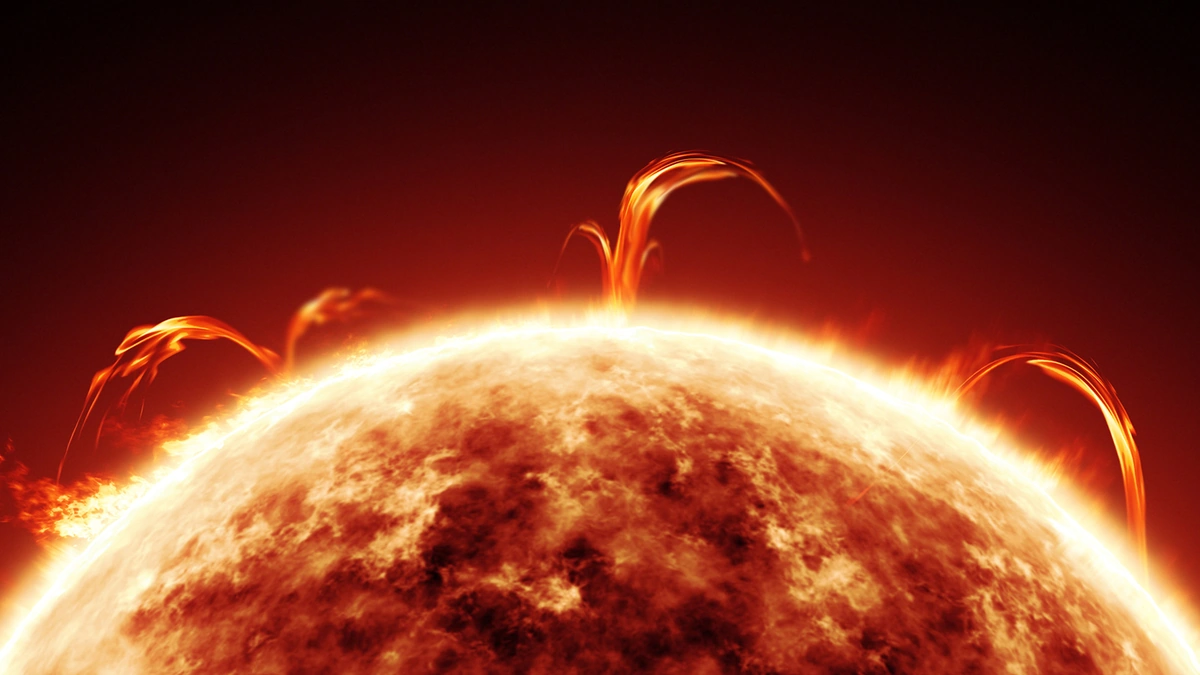
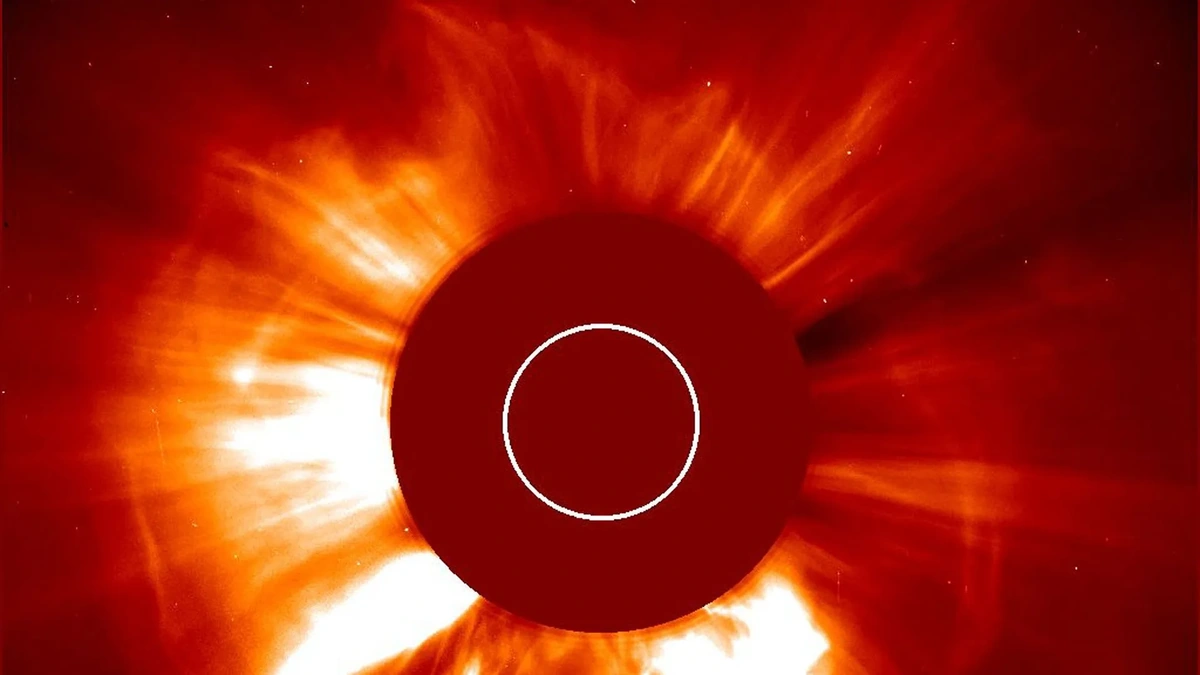
So, let’s dive into the “why.” What exactly caused these auroras to dance across the US skies, some of the best geomagnetic storms in recent memory? In plain English, a solar storm , also known as a coronal mass ejection (CME), erupted from the sun. Now, the sun is constantly throwing stuff out into space – it’s basically the universe’s angriest toddler. But sometimes, it throws out a really big tantrum in the form of a CME. When these CMEs collide with Earth’s magnetosphere – our planet’s protective bubble – they can trigger geomagnetic disturbances. Think of it like space weather – just like we have rain and sunshine here, space has its own versions of storms.
But what’s so special about this particular solar storm ? Well, it was powerful enough to push the auroral oval – that ring around the Earth’s poles where auroras usually appear – much further south than usual. That’s why people in places like Arizona and even (gasp!) parts of California were able to witness the Northern Lights. It’s like winning the cosmic lottery! And a bit of cosmic luck is something we could all use.
And this is where it gets fascinating. See, our magnetosphere isn’t just some passive shield. It interacts with these solar particles, channeling them towards the poles. These particles then collide with atoms and molecules in our atmosphere – primarily oxygen and nitrogen – and that’s what creates the mesmerizing colors of the aurora. Oxygen gives off that greenish-yellow hue (the most common), while nitrogen contributes blues and reds. It’s literally atoms dancing! According to NOAA’s Space Weather Prediction Center , this event reached a G4 level on the geomagnetic storm scale, which is considered severe.
From Science to Spectacle: Aurora Borealis and Its Cultural Significance
But let’s step back for a second. This isn’t just about the science; it’s also about the spectacle. The aurora has captivated humanity for centuries. Different cultures have woven myths and legends around these celestial displays. For some indigenous communities, they were seen as spirits of the dead, dancing in the sky. For others, they were omens – warnings or blessings from the gods. What fascinates me is how this natural phenomenon bridges the gap between science and spirituality, connecting us to something larger than ourselves. It’s no wonder people chase after these lights, braving freezing temperatures and long nights, just for a glimpse of their magic.
The experience of witnessing an aurora is deeply personal. It’s awe-inspiring. It’s humbling. It’s a reminder that we’re all part of this vast, interconnected universe. And in a world that often feels chaotic and disconnected, that’s a powerful feeling to have. The auroras serve as a potent reminder of the awesome power of nature and the beauty that can arise from seemingly chaotic events like solar flares and coronal mass ejections. It also serves as a critical reminder to protect our environment because it is the only home we have. More cosmic news here.
How You Can Prepare for the Next Geomagnetic Storm (and Maybe See an Aurora!)
Okay, so you missed this aurora event. Don’t worry! The sun is always active, and there will be more opportunities in the future. But how can you prepare? First, you should monitor space weather forecasts. Websites like the SpaceWeatherLive provide real-time data on solar activity and geomagnetic conditions. Second, download an aurora forecasting app. These apps use data from satellites and ground-based observatories to predict the likelihood of seeing auroras in your area. Third, get away from light pollution. City lights can drown out even the brightest auroras, so head to a dark location, away from urban areas. Check out this related content: More here. Finally, be patient. Auroras can be fickle. They might appear for a few minutes and then disappear for hours. But trust me, the wait is worth it.
A common mistake I see people make is thinking you need fancy equipment to photograph an aurora. While a good camera helps, even a smartphone can capture decent images. The key is to use a tripod, set a long exposure time (5-10 seconds), and focus manually. And don’t forget to dress warmly! Chasing auroras often involves standing outside in freezing temperatures for extended periods. Now, let me rephrase that for clarity – make sure you have warm socks.
What fascinates me is how accessible the hunt for the aurora is becoming. The internet, mobile apps, and improved forecasting models are bringing the wonders of space weather closer to everyone. We are increasingly better at predicting how solar events will impact our planet, and this growing understanding will allow us to be more prepared for any potential disruptions that may arise from future solar activity .
The Bigger Picture | Space Weather and Our Technology
Now, here’s where things get a little more serious. While auroras are beautiful, solar flares can also have significant impacts on our technology. Strong geomagnetic storms can disrupt radio communications, damage satellites, and even cause power outages. Remember that really bad cell service you had last week? Well, it might have had something to do with space weather. But, these are all risks that we need to be aware of as our lives become ever more dependent on technology. Understanding, modelling, and preparing for space weather events is a growing field. These storms are an issue for scientists studying radio wave propagation.
The good news is that scientists are working hard to improve our ability to predict and mitigate the effects of space weather. They’re developing sophisticated models that can forecast solar flares and geomagnetic storms with increasing accuracy. They’re also designing more resilient satellites and power grids that can withstand the impacts of space weather. After all, nobody wants to be left in the dark, literally and figuratively. What’s more, with increasing satellite launches happening, including Starlink by SpaceX, being aware of space weather and its potential disruptions will become more critical.
The Sun’s Influence | Beyond Auroras and Technology
But the sun’s influence goes beyond auroras and technology. It also plays a critical role in our climate. The sun’s energy output varies over time, and these variations can affect Earth’s temperature and weather patterns. While the influence of solar activity on long-term climate change is still a topic of debate among scientists, it’s clear that the sun is a major driver of our planet’s climate system. And that’s something we can’t afford to ignore. What’s more, we are entering a period where solar flares are expected to increase due to the Sun’s 11-year solar cycle. We will be entering the Solar Maximum.
I initially thought this was straightforward, but then I realized how deeply interconnected everything is. The sun, the Earth, our technology, our culture – it’s all part of a complex web. And understanding that web is essential for navigating the challenges and opportunities of the future. So, next time you see an aurora, take a moment to appreciate the science, the beauty, and the sheer power of the cosmos. And maybe, just maybe, it’ll inspire you to learn more about the world around you. Because let’s be honest, there’s always something new to discover.
FAQ: Your Questions About Solar Events Answered
What if I missed the aurora? Will there be more?
Yes! Solar activity is cyclical. Monitor space weather forecasts for future opportunities.
Can solar storms really cause power outages?
Yes, strong geomagnetic storms can potentially disrupt power grids, although it’s relatively rare.
Is it safe to look at the sun during a solar flare ?
Never look directly at the sun without proper eye protection. Solar flares themselves aren’t visible to the naked eye.
How can I improve my chances of seeing an aurora?
Get away from city lights, monitor space weather forecasts, and be patient.
What’s the difference between a solar flare and a CME?
A solar flare is a burst of energy, while a CME is a large ejection of plasma and magnetic field from the sun.
About the Author