
SpaceX Launch | The Secret They're Not Telling You!
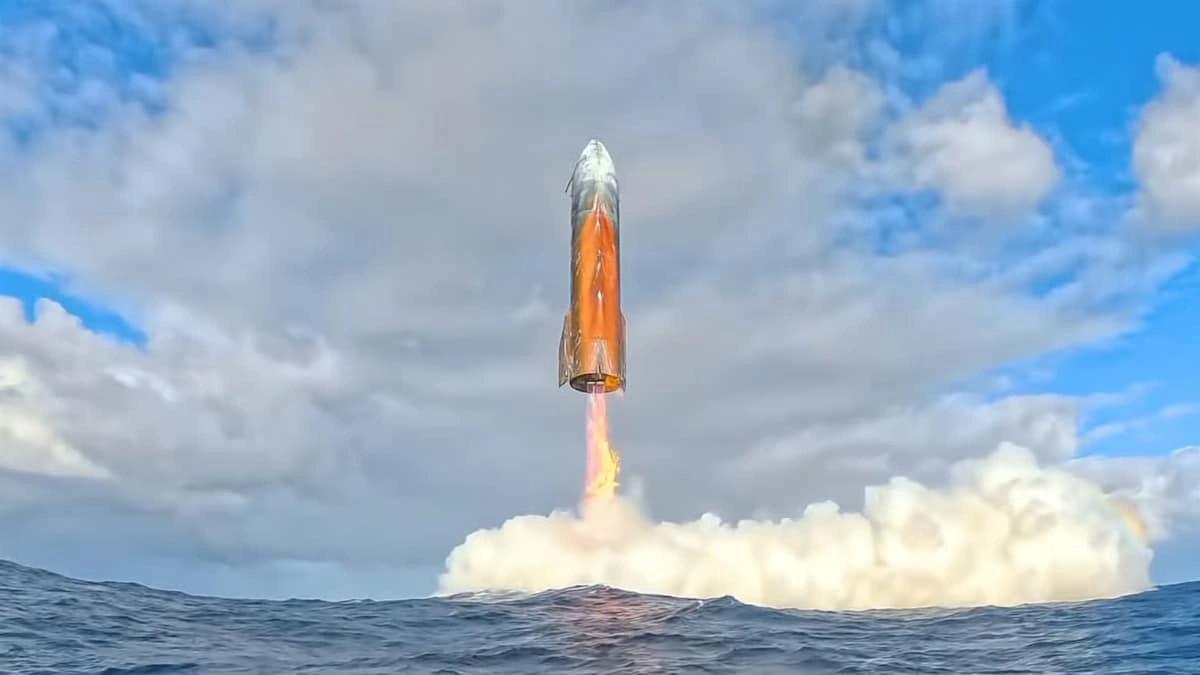
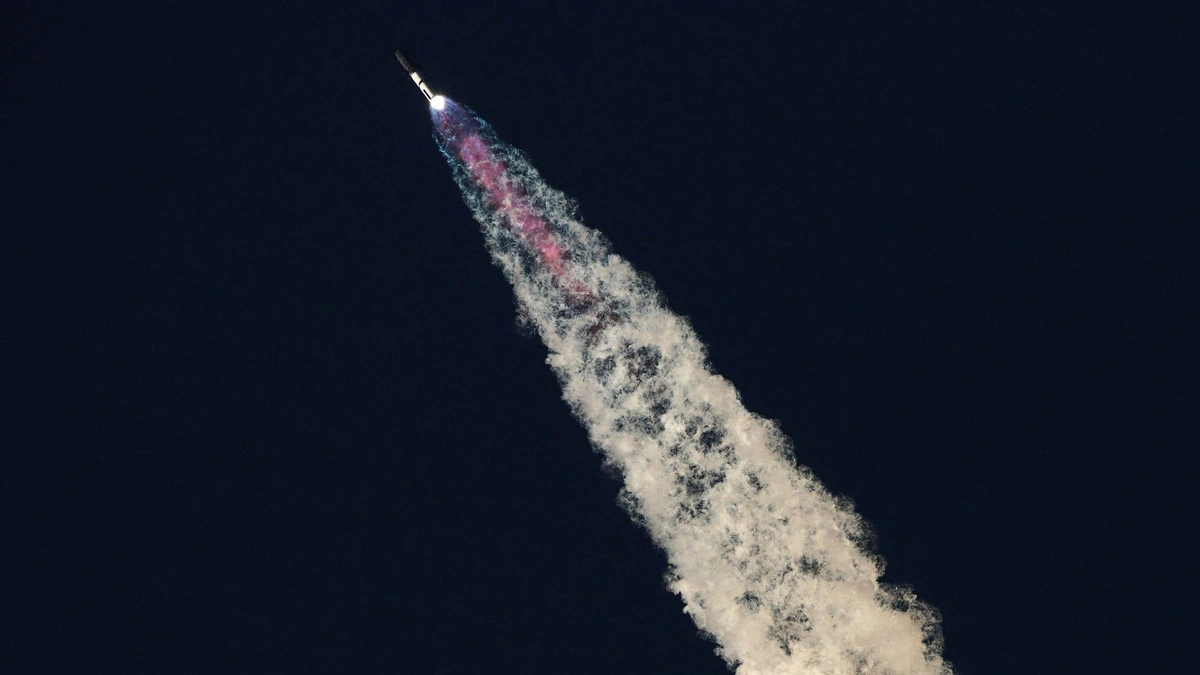
Okay, folks, let’s talk about something genuinely awe-inspiring: a SpaceX launch . But not just any launch. Today, SpaceX is set to launch over 100 satellites on its Transporter 15 rideshare mission. Now, you might be thinking, “So what? Another launch?” But here’s the thing: this launch is more than just a routine trip to space. It represents a significant shift in how we access space and what we can do once we get there. Let’s dive deep, shall we?
Why Transporter 15 Matters | The Democratization of Space
Forget the old days when only governments and massive corporations could afford to send things into orbit. The Transporter program, and Transporter 15 specifically, is changing that. Think of it like this: imagine booking a seat on a bus. That’s essentially what these rideshare missions are. Smaller companies, universities, and even individuals can now send their satellites into space without footing the entire bill for a dedicated launch. What fascinates me is the potential for innovation. This lowers the barrier to entry and that’s huge. The increased accessibility is creating a boom in space-based services and technologies, which impacts everything from weather forecasting to internet access. This is all part of the broader goal of low Earth orbit (LEO) development.
But why now? Well, the technology has finally caught up. SpaceX’s reusable Falcon 9 rockets have drastically reduced launch costs. And the growing demand for satellite-based services is fueling the need for more frequent and efficient launches. This launch will likely use a Falcon 9 rocket , a reusable workhorse that has become synonymous with reliable space transport. By the way, did you know that the Falcon 9’s first stage boosters can land back on Earth or on a drone ship after launch? Crazy, right?
Who’s Riding Along on Transporter 15?
Now, who exactly is hitching a ride on this cosmic bus? It’s a diverse group, to say the least. We’re talking about everything from Earth observation satellites (helping us monitor climate change and track agricultural patterns) to communication satellites (providing internet access to remote areas). And let’s not forget the technology demonstration satellites – these are like the R&D labs of space, testing out new technologies in the harsh environment of orbit. I initially thought it was just about commercial satellites, but then I realized there were university research projects. For example, there might be some cubesats designed and built by students.
A common mission type is Earth observation . These satellites are equipped with cameras and sensors that capture images and data of our planet. This information is invaluable for monitoring deforestation, tracking pollution, and responding to natural disasters. Plus, these launches support constellations aimed at providing global internet coverage, potentially transforming connectivity in underserved regions. This is crucial for bridging the digital divide. Also, I think that previous Falcon launches provide a good context to further explore these types of missions.
The Impact on India | Opportunities and Challenges
Okay, so how does all of this affect India? Here’s the thing: India has a burgeoning space program of its own, and the success of companies like SpaceX has significant implications. On one hand, it presents opportunities for collaboration. Indian companies can potentially leverage the Transporter program to launch their own satellites at a lower cost, fostering innovation and growth in the domestic space sector. And on the other hand, it creates competition. India’s space program will need to continue to innovate and find its niche in the global market to remain competitive.
But it’s not just about competition; it’s about access. With increased access to space, Indian researchers and entrepreneurs can develop new technologies and services tailored to India’s unique needs. Imagine satellites providing real-time data on crop health to farmers or delivering internet access to remote villages. The possibilities are endless. Let me rephrase that for clarity: Indian space startups could really benefit. The reduced launch costs open doors that were previously closed.
Navigating the Future of Space | What’s Next?
So, what does the future hold? Well, if the Transporter program continues to be successful, we can expect even more frequent and affordable access to space. This will likely lead to a further explosion of innovation and the development of new space-based technologies that we can’t even imagine yet. But, there are also challenges to consider. The increasing number of satellites in orbit raises concerns about space debris and the potential for collisions. We’ll need to develop better ways to track and manage space traffic to ensure the long-term sustainability of space activities. Here’s how I stay grounded amidst this excitement, it helps.
But, let’s be honest, the potential benefits far outweigh the risks. The democratization of space is opening up new frontiers for exploration, innovation, and economic growth. And as companies like SpaceX continue to push the boundaries of what’s possible, it’s an exciting time to be alive and witness this new era of space exploration. I initially thought it was just about getting things into space, but now I see it’s about fundamentally changing how we get things into space.
FAQ | Your Questions About SpaceX Launches Answered
Frequently Asked Questions
What is a rideshare mission?
A rideshare mission is when multiple satellites from different customers are launched together on a single rocket, sharing the cost and making space access more affordable.
How does SpaceX’s Transporter program work?
SpaceX’s Transporter program offers regular, dedicated rideshare missions for small satellites, providing a cost-effective way to reach orbit.
What are some common applications of the satellites launched on Transporter missions?
These satellites are used for a variety of applications, including Earth observation, communication, technology demonstration, and scientific research.
What are the benefits of reusable rockets?
Reusable rockets, like SpaceX’s Falcon 9, significantly reduce the cost of space launches by allowing the rocket’s first stage to return to Earth and be reused on future missions.
How can I learn more about upcoming SpaceX launches?
You can stay updated on upcoming SpaceX launches by visiting the SpaceX website or following their social media channels.
Will there be other satellite deployment missions in the future?
Yes, SpaceX plans to continue offering Transporter missions regularly, providing ongoing opportunities for small satellite launches.
So, the next time you hear about a SpaceX launch , remember that it’s more than just a rocket going up. It’s a symbol of innovation, accessibility, and the boundless potential of space exploration. This ongoing space exploration has the potential to create countless opportunities.
About the Author