
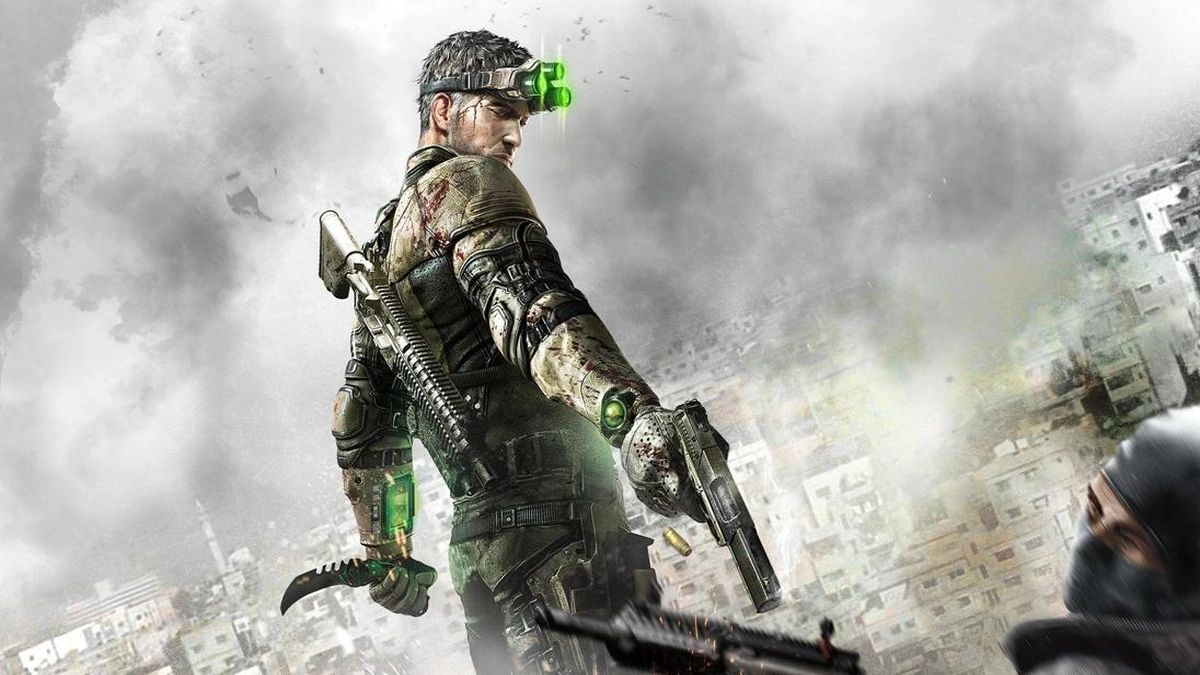
Splinter Cell | What Ubisoft Isn't Telling You
Alright, let’s be honest. If you’re here, you’re probably a Splinter Cell fan like me, clinging to the last shred of hope that Sam Fisher will grace our screens again. We’ve seen teases, rumors, and… well, mostly silence. But the question that’s been gnawing at me – and probably you too – is: why? Why the radio silence on such a beloved franchise? It’s time we dig deeper than the headlines and understand what’s really going on.
The Ghost Protocol: Ubisoft’s Strategic Shift
Ubisoft, the behemoth behind Splinter Cell, isn’t exactly struggling. They’ve got Assassin’s Creed, Far Cry, and a whole host of other titles printing money. But here’s the thing: the gaming landscape has changed dramatically. We’ve moved away from purely stealth-focused games, or have we? According to Wikipedia , Ubisoft is a huge player, but that doesn’t mean they can ignore market trends.
The “why” here is complex. See, I initially thought it was a simple case of falling sales. But then I realised it’s more nuanced. Ubisoft has shifted its focus towards open-world experiences, games-as-a-service models, and titles with broader appeal. Think about it: games like Assassin’s Creed Valhalla offer stealth elements, but they’re not solely reliant on them. They want mass appeal. The question remains, is a stealth game like Splinter Cell commercially viable in today’s market? Are the days of tactical espionage gone? What about the loyal Splinter Cell fanbase ?
The Sam Fisher Paradox: Stealth in a Loud World
Here’s the thing: stealth games are hard to make really well. It’s not just about hiding in the shadows; it’s about creating believable AI, intricate level design, and a satisfying sense of tension. And honestly, many modern games that include stealth treat it as an afterthought.
Consider the competition. We’ve got Hitman offering a sandbox approach to assassination, and Metal Gear Solid V delivering open-world stealth action. But Splinter Cell always had its own identity: a blend of realism, gadgetry, and political intrigue. Maybe, just maybe, Ubisoft is struggling to find a way to recapture that magic while also appealing to a wider audience. What fascinates me is how the gaming climate has changed. Gamers want instant gratification in many cases. Patience is a virtue in Splinter Cell, do today’s players have it?
A common mistake game developers make is underestimating the power of nostalgia. But, and it’s a big but, nostalgia alone isn’t enough. You can’t just rehash the old formula; you need to innovate while staying true to the spirit of the original. So, what should a new Splinter Cell game include?
The Future of Stealth: What a New Splinter Cell Needs
Okay, let’s brainstorm. If Splinter Cell were to make a comeback, what would it need to succeed? First, it needs to double down on what made it great: the gadgets, the realistic setting, and the sense of vulnerability. Sam Fisher isn’t a superhero; he’s a highly trained operative who relies on his wits and his tools.
Second, it needs to embrace modern technology without sacrificing its core values. Think about incorporating elements of social stealth, where you can blend into crowds and use your surroundings to your advantage. And third, it needs a compelling story that tackles relevant themes. The world has changed since the last Splinter Cell game, and the narrative needs to reflect that. According to some sources, a new title was in development, but eventually Splinter Cell cancelled . Why? Only time will tell. The Splinter Cell remake might just be what the gaming world needs.
Hope in the Shadows: Why We Shouldn’t Give Up
Despite the lack of concrete news, there are reasons to be optimistic. The success of games like Hitman 3 and the renewed interest in stealth mechanics suggest that there’s still a market for this genre. And Ubisoft, despite its strategic shifts, has shown a willingness to revisit its classic franchises.
Plus, let’s not forget the power of the fanbase. We, the die-hard Splinter Cell fans, are a vocal bunch. We’ve been clamoring for a new game for years, and our voices haven’t gone unheard. Maybe, just maybe, Ubisoft is listening. Keep an eye on gaming news and message boards for Splinter Cell news . It’s important to stay up to date.
FAQ: Your Splinter Cell Questions Answered
Will there ever be a new Splinter Cell game?
Honestly, nobody knows for sure except for Ubisoft. But based on past comments, rumors and the fan demand, I wouldn’t rule it out.
What happened to Splinter Cell: Blacklist?
Splinter Cell: Blacklist was the last mainline entry in the series, released in 2013. While it received positive reviews, it didn’t sell as well as Ubisoft had hoped.
Is there a Splinter Cell remake in development?
Yes, Ubisoft has officially announced a remake of the original Splinter Cell, though details are still scarce.
What kind of story should a new Splinter Cell game have?
It should tackle relevant themes, explore the complexities of modern espionage, and offer a nuanced perspective on geopolitical events.
So, is Splinter Cell dead? Maybe not. Dormant? Definitely. But as long as there are fans who remember the thrill of sneaking through the shadows, there’s always a chance that Sam Fisher will return. And when he does, it’ll be an event to remember. Ubisoft knows this, let’s hope they don’t disappoint.
About the Author