
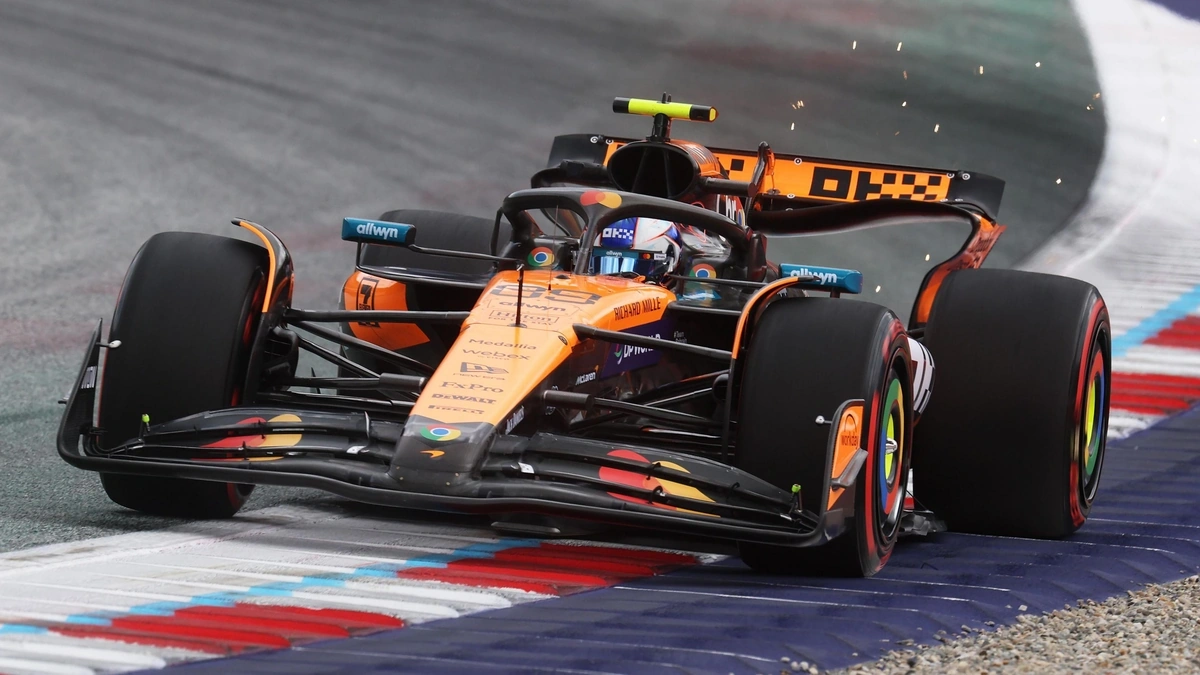
F1 Secrets Revealed | More Than Just Speed!
Let’s be honest, F1 can seem like a blur of roaring engines and flashing colors. But what if I told you there’s a whole universe of strategy, innovation, and human drama unfolding beneath the surface? It’s not just about who crosses the finish line first; it’s about how they get there and, more importantly, why it matters. This article dives deep, revealing the hidden gears that make Formula 1 the captivating spectacle it is.
The Unseen Battles: Strategy and Innovation
Everyone sees the drivers, but the pit wall is where races are often won or lost. The strategic calls are super important. Think about it: a split-second decision on tire choice, a daring undercut, or a well-timed safety car gamble can completely change the trajectory of a race. These aren’t just lucky guesses; they’re calculated risks based on mountains of data and the collective experience of brilliant engineers and strategists. And what fascinates me is how this constant push for innovation trickles down into the everyday cars we drive. Aerodynamic advancements, engine efficiency breakthroughs – they all have roots in the relentless pursuit of speed on the formula one track.
Consider, for instance, the evolution of hybrid technology in F1. Initially driven by regulations aimed at improving fuel efficiency, it has become a cornerstone of performance, allowing teams to harness energy in ways previously unimaginable. This technology is now finding its way into mainstream vehicles, making them more efficient and powerful. If you’re interested in reading about a different kind of race, check out this article .
The Human Element: Rivalries and Redemption
Forget the machines for a moment. At its core, Formula 1 is a human drama. The rivalries, the triumphs, the heartbreaks – they’re what truly make the sport compelling. Think of the legendary battles between Senna and Prost, or more recently, the intense competition between Hamilton and Verstappen. These aren’t just drivers vying for a championship; they’re gladiators pushing themselves and their machines to the absolute limit. And when things go wrong – a crash, a mechanical failure, a strategic blunder – the way a driver and their team respond reveals their true character. It’s about resilience, determination, and the unwavering belief in their ability to bounce back.
The mental fortitude required to compete at the highest level of motorsport is immense. Drivers face immense pressure from their teams, sponsors, and the fans. The ability to maintain focus and composure in the face of adversity is what separates the great drivers from the good ones. For example, a list of top f1 drivers often showcases skill and mental fortitude.
The Business of Speed: Economics and Influence
Formula 1 is a multi-billion dollar industry, with global reach and significant economic impact. From sponsorship deals to television rights to tourism revenue, the sport generates a vast amount of money. But it’s not just about the bottom line. F1 also serves as a powerful platform for brands to showcase their technology, innovation, and luxury image. The teams themselves are complex organizations, employing hundreds of people and operating at the cutting edge of engineering and logistics. The economics of fia formula one world championship dictate which teams thrive and which struggle, influencing the competitive landscape. And let’s not forget the political influence of the sport, with governments often vying to host races and leverage the associated economic benefits.
The sheer scale of the operation is staggering. Teams must transport their equipment and personnel around the world, often within a matter of days. This requires meticulous planning and coordination. The logistics involved in setting up a temporary paddock at each race location are mind-boggling.
Why F1 Matters: More Than Just a Race
So, why should you care about Formula 1? Because it’s a microcosm of the world we live in. It’s a story of human ambition, technological innovation, and economic power. It’s a reminder that even in a world obsessed with speed, strategy, resilience, and teamwork are what truly drive success. What I find fascinating is the sheer amount of work and thought that goes into making a race happen. The F1 racing events are more than just races, they are spectacles of human achievement.
It’s also a constant reminder that failure is an option. Not every race will be a win, and sometimes, you have to adapt and fight for every position. It is the grit and persistence of drivers, which makes the sport so captivating. When looking at F1 teams, it’s not always about money but the passion that is put into it that matters.
The thing is, whether you’re a die-hard fan or a casual observer, there’s something for everyone to appreciate in the world of Formula 1. Formula 1 drivers demonstrate intense physical and mental pressure. It’s more than just a race; it’s a story of human endeavor at its finest.
FAQ: Your F1 Questions Answered
What makes F1 cars so fast?
The combination of powerful engines, advanced aerodynamics, and lightweight construction allows F1 cars to reach incredible speeds.
How do teams decide on their race strategy?
Teams use sophisticated data analysis, simulations, and real-time information to make strategic decisions during a race.
What happens if a driver makes a mistake?
Mistakes can cost drivers positions, damage their cars, or even lead to retirement from the race. Recovery depends on the severity of the mistake and the remaining race time.
Why are there so many different tire compounds?
Different tire compounds offer varying levels of grip and durability, allowing teams to optimize their strategy for different track conditions and race scenarios.
How does the point system work in F1?
Points are awarded to the top finishers in each race, with the driver and team accumulating the most points over the season winning the championship.
About the Author