
Soyuz Rocket Scare | What's the REAL Risk?
The news is out: A Soyuz rocket launch from a Russian cosmodrome didn’t go exactly as planned. Now, you might be thinking, “Okay, another space story.” But here’s the thing: this isn’t just about rockets and orbits. This is about the future of space travel, international collaborations, and, frankly, whether we should be holding our breath a little every time we send something – or someone – into the great unknown. Let’s dive in, shall we?
What Really Happened During the Soyuz Launch?
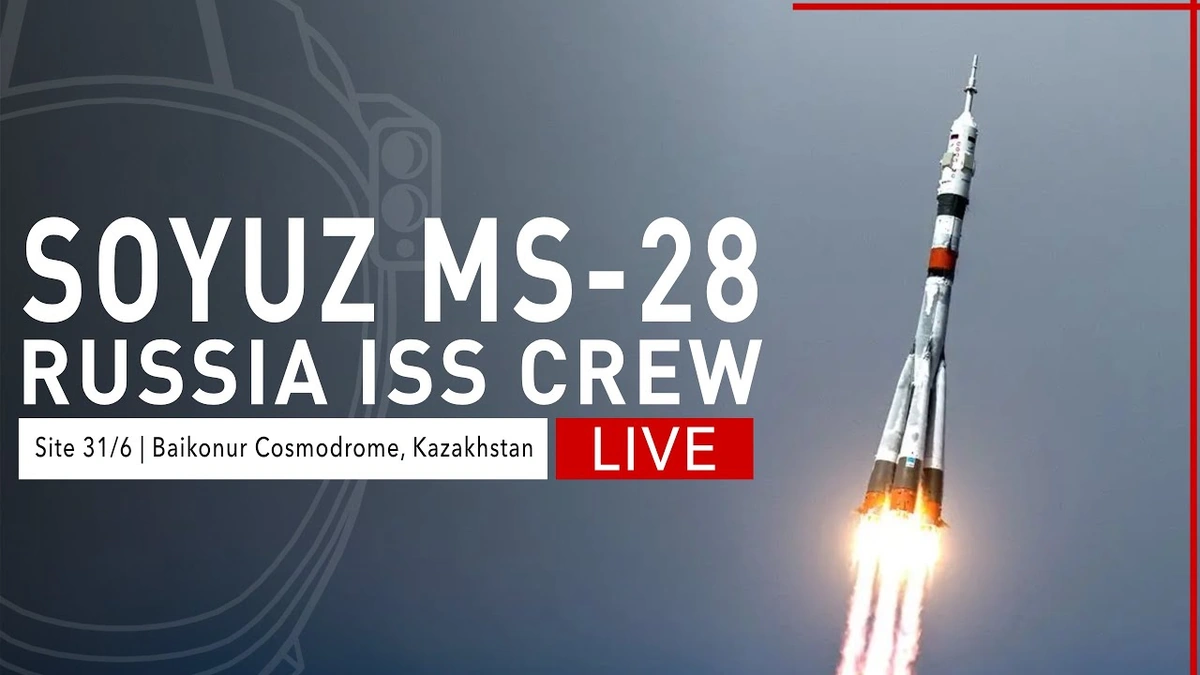
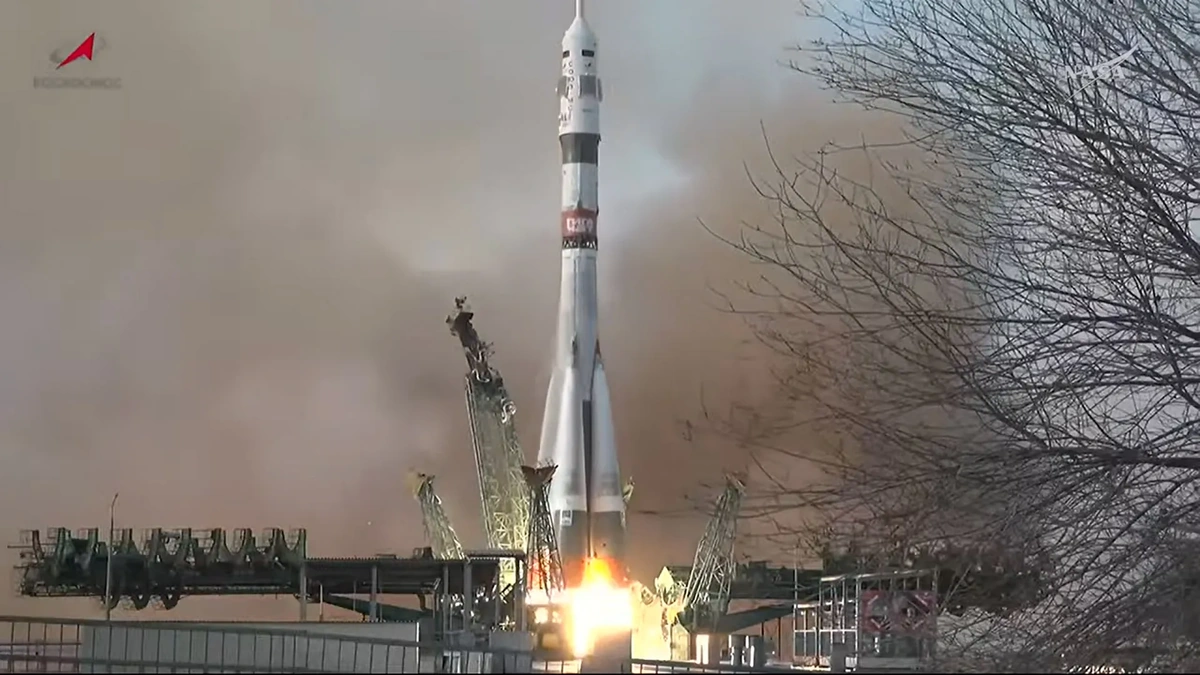
So, what did happen? Reports indicate an issue arose during a recent Soyuz rocket launch. Details are still emerging, but the situation has definitely sparked some serious safety concerns within the space community. You know, the kind of concerns that make engineers huddle in rooms with lots of coffee and worried expressions. What fascinates me is that even with decades of experience, space travel remains a high-stakes game.
We’re not just talking about a minor hiccup here; the incident has raised questions about the reliability of the Soyuz program , a cornerstone of space exploration for, well, ages. And it has definitely put a spotlight on the importance of rigorous safety protocols. After all, these rockets aren’t just carrying satellites – sometimes, they’re carrying people. What’s going up there?
Why This Soyuz Incident Matters – Especially Now
Okay, let’s get to the why. Why should someone in India, who’s probably more concerned with the price of onions and the latest cricket score, care about a rocket launch anomaly in Russia? Here’s the breakdown:
- International Collaboration: Space exploration is rarely a solo act. Countries pool resources, expertise, and, yes, even risks. An incident like this can strain international relations and impact future collaborations.
- Access to Space: The Soyuz rocket has been a reliable workhorse for decades, especially after the Space Shuttle program ended. Any dent in its reputation affects global access to space, impacting everything from satellite deployments to the International Space Station.
- The Future of Space Travel: With private companies like SpaceX and Blue Origin making waves, the incident raises questions about the balance between established programs and newer, more agile players. Should we be putting all our eggs in one basket, or is a diversified approach the way to go?
And, let’s be honest, the timing isn’t great. Geopolitical tensions are already high, and any disruption in space activities adds another layer of complexity. It’s like a cosmic game of chess, and everyone’s watching each other’s moves.
Digging Deeper | Potential Causes and Consequences
So, what could have caused this Soyuz snag? Well, that’s the million-dollar question (or, more accurately, the billion-ruble question). Investigations are underway, and until they’re complete, we’re left with speculation. However, some potential factors could be at play:
- Manufacturing Defects: It sounds basic, but even the smallest flaw in a rocket component can have catastrophic consequences. Quality control is paramount.
- Software Glitches: Modern rockets are controlled by complex software systems. A bug in the code can lead to unexpected behavior, especially during critical phases of the launch.
- Human Error: Let’s not rule out the possibility of human error during pre-launch checks or even during the launch sequence itself. It happens.
The consequences? Delays in future launches, increased scrutiny of safety protocols, and potentially a slowdown in space-related projects. It’s not just about prestige; it’s about scientific research, communication networks, and even national security.
The Indian Angle | What Does This Mean for India’s Space Program?
India’s space program, ISRO, has been making giant strides in recent years, and while India doesn’t directly rely on the Soyuz for its launches, any disruption in the global space ecosystem has ripple effects. For one, it underscores the importance of indigenous capabilities. The more self-reliant a country is in space technology, the less vulnerable it is to external shocks.
Also, it’s a reminder that space exploration is inherently risky. Even the most seasoned players can face setbacks. This reinforces the need for ISRO to maintain its rigorous testing and quality control procedures. As per the guidelines mentioned in the information bulletin, the Indian Space Research Organisation is currently focusing on crewed missions, and any learning from incidents like these will feed directly into the safety and reliability of those missions. The one thing you absolutely must double-check on your spacecraft is the propulsion system.
Moving Forward | Lessons Learned and Future Outlook
So, where do we go from here? This Soyuz rocket launch anomaly is a wake-up call. It’s a reminder that space exploration is not a walk in the park – it’s a complex, challenging, and sometimes dangerous endeavor. But it’s also essential for our future. A common mistake I see people make is underestimating the complexities of rocket science.
The key takeaways:
- Transparency is Crucial: Open communication about the incident and its causes is essential for maintaining trust and ensuring accountability.
- Safety First: Safety protocols should be constantly reviewed and updated. There’s no room for complacency in space exploration.
- Collaboration is Key: International cooperation is vital for sharing knowledge and resources. We’re all in this together.
The future of space travel is bright, but it requires diligence, innovation, and a healthy dose of caution. The Russian space program is essential to progress. Let’s hope this incident serves as a catalyst for improvement and not a setback. Maybe we will learn more at the next Beaver Moon.
FAQ Section
Frequently Asked Questions About the Soyuz Rocket Incident
What exactly is the Soyuz rocket?
The Soyuz rocket is a series of expendable launch vehicles designed by the Soviet Union, now operated by Russia. It’s one of the most frequently used and reliable launch vehicles in the history of spaceflight.
What kind of safety concerns are there?
The incident raised concerns about potential manufacturing defects, software glitches, or human error, which could compromise the safety of future launches, including those carrying crew.
Will this affect the International Space Station?
Potentially, yes. The Soyuz is a key vehicle for transporting crew and cargo to the ISS. Delays or reliability issues could impact the station’s operations.
Is India involved in the Soyuz program?
While India doesn’t directly use Soyuz rockets for its own launches, any disruption in the global space ecosystem affects all players, including ISRO.
About the Author