Saturn's Rings | What Dave Eicher Just Revealed!
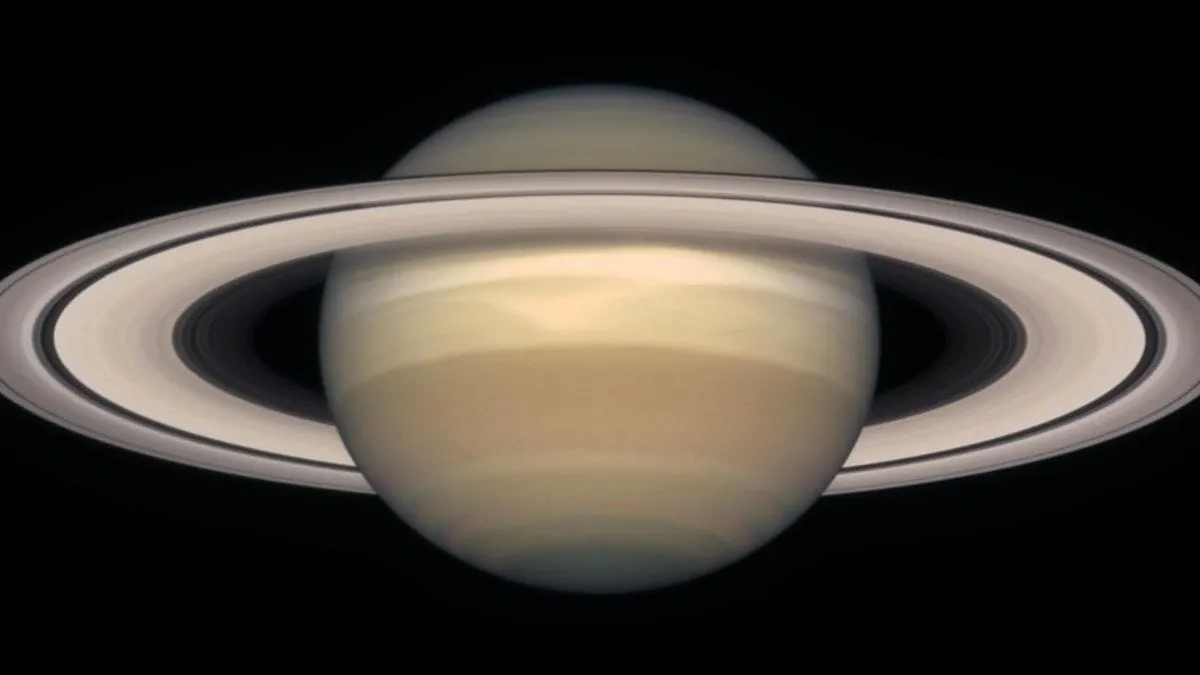
Saturn. Just the name conjures images of a majestic, golden orb encircled by shimmering rings. And let’s be honest, while we know about those rings, do we truly understand them? I mean, beyond the basic science lesson? What fascinates me is how something so seemingly simple can hold so much complexity, so much history, and so many unanswered questions. This week in astronomy, we’re diving deep into those icy structures with none other than Dave Eicher, editor of Astronomy magazine and a true planetary ring aficionado. So grab your metaphorical (or literal!) telescope, and let’s explore.
Why Saturn’s Rings Still Matter (and Why You Should Care)
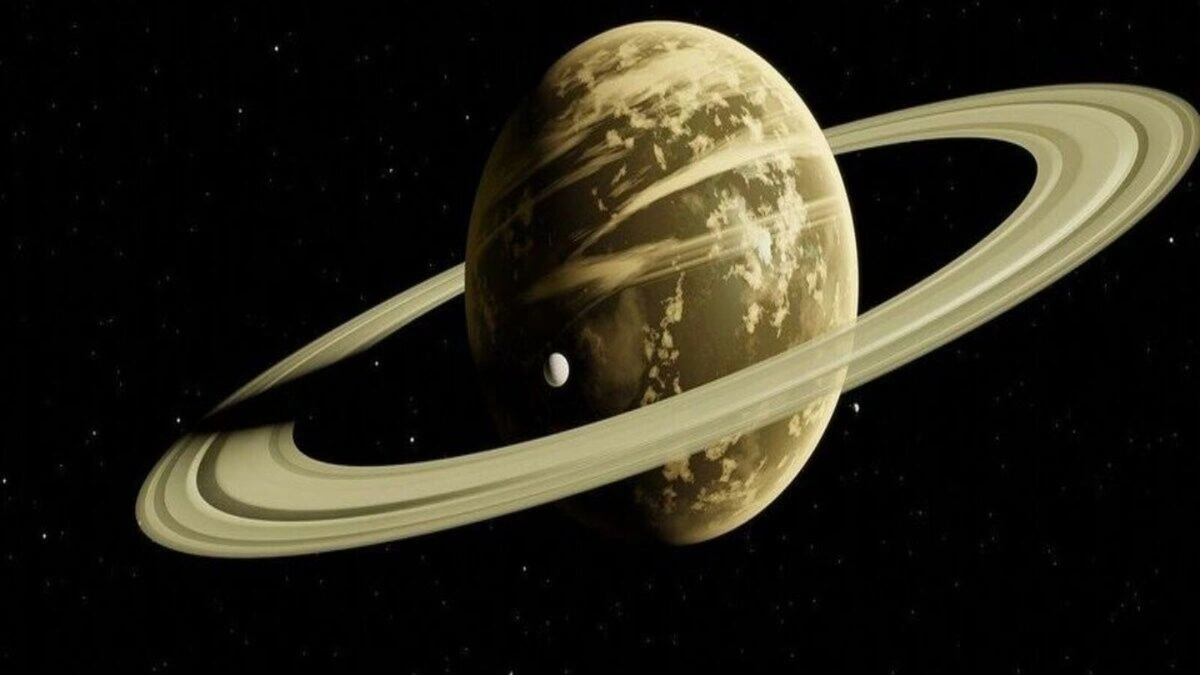
Okay, I get it. You might be thinking, “Rings are rings. Pretty, but what’s the big deal?” Here’s the thing: Saturn’s rings aren’t just cosmic decorations. They’re a window into the solar system’s past and a laboratory for understanding how planetary systems form. Seriously. According to NASA ( check out this fascinating article ), these rings are constantly being shaped by the planet’s gravity and the interactions of countless icy particles. The ring system is like a celestial dance floor, where gravity and collisions create intricate patterns and structures.
But, and this is a big but, the rings are also disappearing. I initially thought it was straightforward, but then I realized that the rate at which they’re vanishing is a cosmic blink of an eye! Scientists estimate that the rings could be gone in a few hundred million years. So, understanding their composition, dynamics, and origin becomes even more crucial now.
Dave Eicher’s Insights | More Than Just Pretty Pictures
Dave Eicher isn’t just another astronomy commentator; he’s a storyteller who brings the cosmos to life. He possesses the expertise to explain complex phenomena in a way that’s both informative and engaging. He offers deep insight, based on years of studying the night sky. His perspective on Saturn’s rings is particularly valuable because he doesn’t just see them as static objects. As a common mistake that I often see, people see the ring as a single homogenous entity. He sees them as a dynamic, evolving system.
Eicher delves into the history of their discovery, the different theories about their formation, and the ongoing research that continues to unravel their mysteries. He is an authoratative figure in the field, presenting information that is both accurate and captivating.
And that’s what makes his insights so compelling. You aren’t just learning facts; you’re getting a sense of wonder and appreciation for the universe. The one thing that you absolutely must consider, when looking into Saturn’s rings, is that they are more than just ice and rock, they are a key to understanding our own cosmic neighborhood.
Saturn’s Moons | Ring Shepherds and Hidden Influences
Now, let’s talk about Saturn’s moons – those little guys (and gals) that play a surprisingly big role in the ring system. Some of these moons, known as “shepherd moons,” orbit near the rings and use their gravity to sculpt and confine the ring particles. Take, for example, F ring. The latest observations of Saturn’s F Ring shows that this is perhaps the weirdest ring in the entire ring system, and this oddity can be entirely attributed to its shepherd moons.
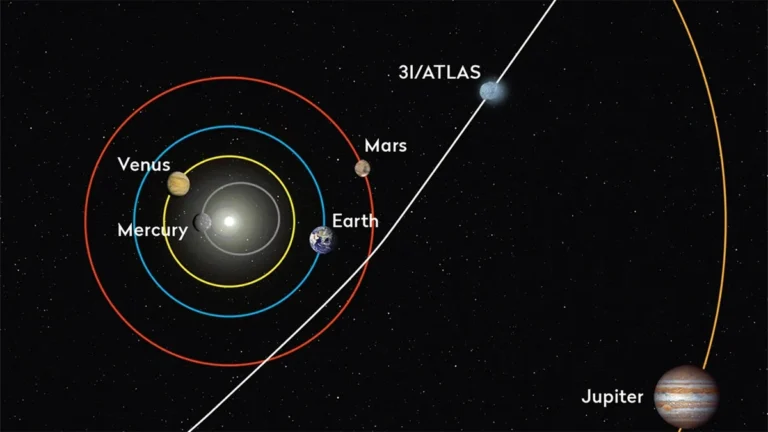
But here’s where it gets really interesting: some moons might even be the source of the ring material itself! Scientists are exploring the possibility that Enceladus, with its icy geysers, could be replenishing the rings with fresh particles. The Cassini mission provided valuable data supporting this hypothesis. In general, studying these moons, as well as the interstellar objects , is crucial to determine the future of the ring system. It’s all interconnected, a delicate cosmic dance of gravity and matter.
Observing Saturn | Tips for Aspiring Astronomers in India
Okay, so you’re inspired to see Saturn for yourself. Awesome! Here’s some practical advice for stargazers in India:
- Know When to Look: Saturn is usually visible for a good chunk of the year, but the best time to observe it is when it’s at opposition (when Earth passes between Saturn and the Sun). Check astronomy websites or apps for these dates. The current time that the planet saturn is available is in late summer and early autumn.
- Find a Dark Spot: Light pollution is a killer. Try to get away from city lights for the best views.
- Use Binoculars or a Telescope: While you can see Saturn with the naked eye as a bright, yellowish “star,” binoculars or a small telescope will reveal its rings. The higher the magnification, the better.
- Be Patient: Observing takes time and practice. Don’t get discouraged if you don’t see the rings clearly at first. Keep adjusting your focus and let your eyes adjust to the darkness.
And remember, even if you can’t see the rings perfectly, the act of looking up and connecting with the cosmos is an experience in itself. As per the guidelines, it is always better to find an amateur astronomy club near your place.
The Future of Saturn Exploration | What’s Next?
While the Cassini mission provided a wealth of information about Saturn and its rings, there’s still so much we don’t know. What are the rings really made of? How old are they? What role do they play in the evolution of Saturn’s moons?
Future missions are being planned to address these questions, including proposals for new orbiters and probes that could delve even deeper into the ring system. And who knows? Perhaps one day, humans will even visit Saturn and witness its rings up close.
For now, it may be better to read up on the latest advancements in earth’s lost sibling to understand our cosmic neighborhood.
FAQ About Saturn and Its Rings
Frequently Asked Questions
Are Saturn’s rings solid?
No, Saturn’s rings are made up of countless particles of ice, rock, and dust.
How big are the particles in Saturn’s rings?
The particles range in size from tiny grains to chunks as big as houses.
Could I stand on Saturn’s rings?
Even if you could, there wouldn’t be much to stand on! The particles are spread out, not packed together.
Will Saturn always have rings?
No, scientists believe Saturn’s rings are relatively young and will eventually disappear.
What’s the most interesting thing about Saturn’s rings?
Their complexity and the insights they offer into the formation of planetary systems.
So, there you have it – a whirlwind tour of Saturn’s rings, guided by the expert insights of Dave Eicher. But the real takeaway? It’s not just about the facts and figures. It’s about the wonder, the curiosity, and the deep connection we feel when we look up at the night sky. Keep exploring, keep questioning, and keep marveling at the universe around us. Because, let’s be honest, it’s pretty darn amazing.
About the Author