Mars Shocker | Did NASA Just Find Lightning?!
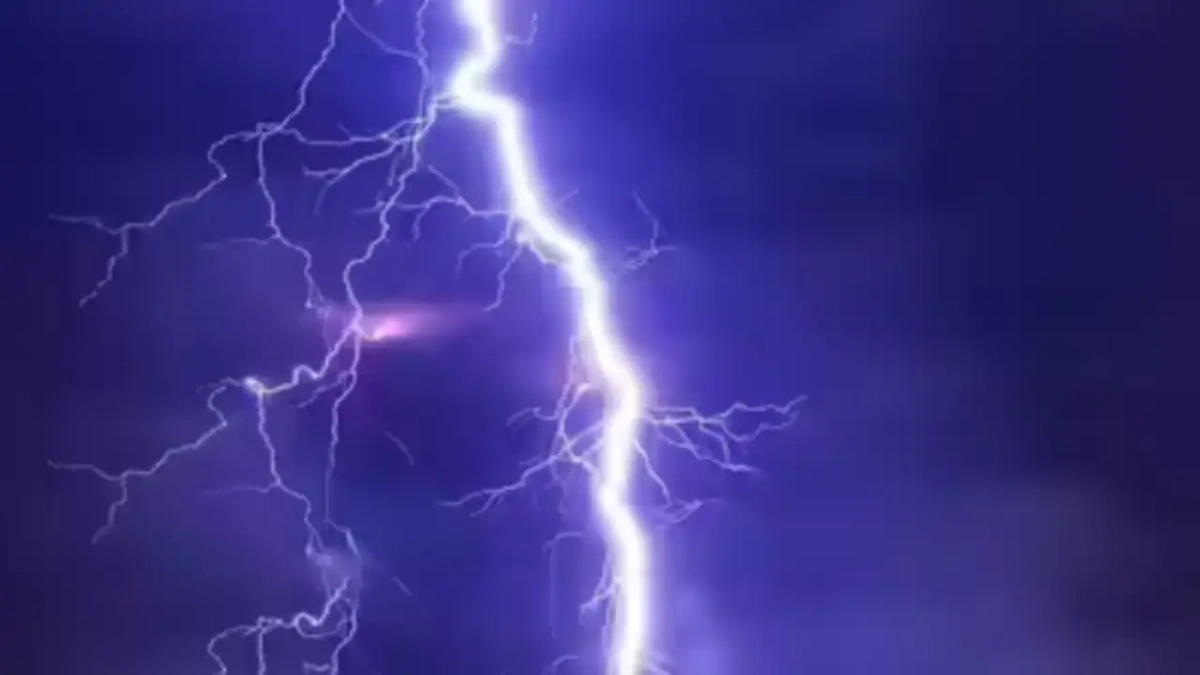
Okay, let’s be honest. Mars. Lightning. It sounds like the start of a sci-fi movie, right? But this isn’t fiction. NASA’s rover, Perseverance, may have just detected the first ever evidence of lightning on the Red Planet. And while it might not be Zeus throwing bolts down from Olympus Mons, it’s a pretty big deal. So, why does this matter? Let’s dive in, because the implications are actually… electrifying. (Pun intended. Sorry, not sorry.)
Why Martian Lightning Matters | Beyond the Spark
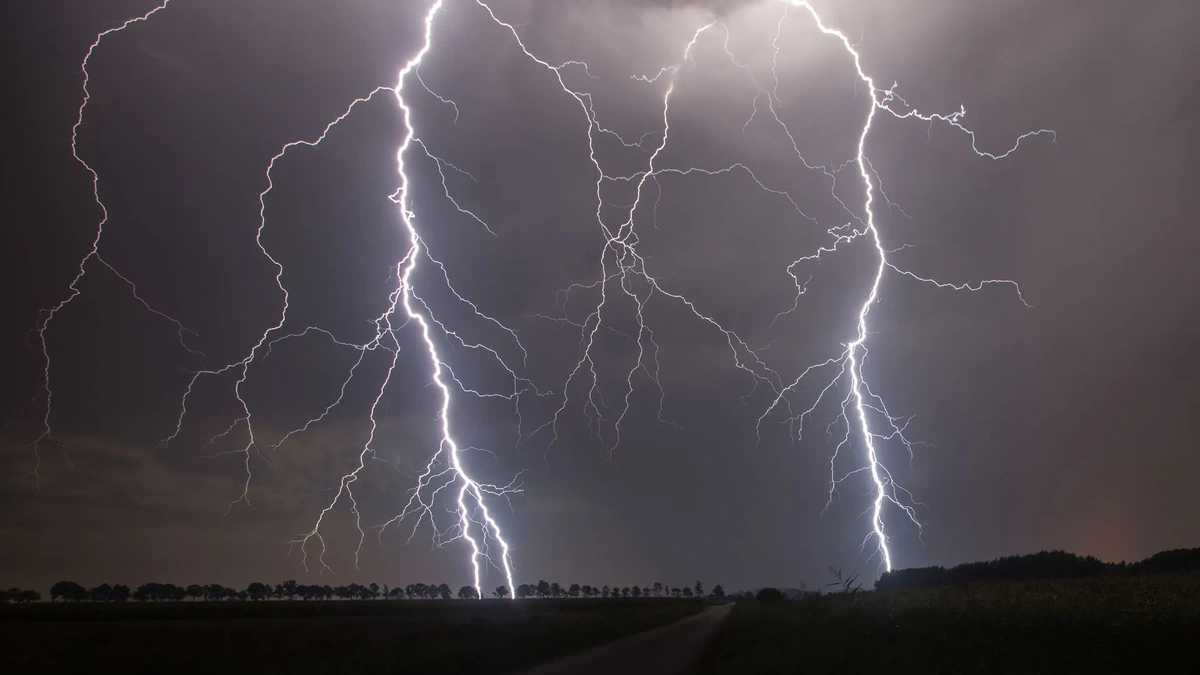
Now, you might be thinking, “Lightning? On Mars? So what?” Here’s the thing: it’s not just about pretty light shows. The presence of lightning on Mars tells us a lot about the Martian atmosphere and could even hint at the possibility of, wait for it, past or present microbial life. Remember that Martian atmosphere? Well, it’s thin – super thin. Like, hold-your-breath-for-a-long-time thin. Detecting lightning on mars suggests there are mechanisms in place to generate static electricity, which could, in turn, trigger chemical reactions in the atmosphere. These reactions could potentially produce organic molecules – the building blocks of life.
Think of it like this: lightning acts like a cosmic chef, whipping up ingredients for a potential Martian soup of life. It’s a long shot, sure, but it opens up a whole new avenue for exploration. And exploring other planets, may one day result in us living on them. You can read more about exploring different environments at trails in the sky .
The Science Behind the Spark | How Does Martian Lightning Work?
So, how does lightning even happen on Mars? Well, the process is similar to what happens here on Earth, but with a Martian twist. On Earth, lightning strikes are usually caused by ice crystals colliding within storm clouds, creating a separation of electric charge. On Mars, dust storms are rampant – huge, planet-encompassing dust storms. It’s believed that these dust particles colliding within the storms can generate static electricity, leading to those bright flashes. Think of it as a giant, planetary-scale Van de Graaff generator. Pretty cool, huh?
The Perseverance rover, equipped with a suite of sophisticated instruments, including a weather station called MEDA (Mars Environmental Dynamics Analyzer), is the key to this discovery. MEDA is designed to measure temperature, wind speed, pressure, humidity, and dust levels in the Martian atmosphere. While MEDA doesn’t directly detect lightning, it can detect the electromagnetic pulses generated by lightning strikes. These pulses are like the fingerprints of lightning, providing evidence that it occurred even if we didn’t see the flash with our own eyes. Also, while we are discovering new things, did you know that they found a power station under the sea?
The Search for Life and Future Missions | What’s Next for Mars?
The detection of electrical activity on Mars has huge implications for future missions. If lightning is indeed contributing to the formation of organic molecules, it could mean that the surface of Mars is more habitable than we previously thought. This information will be crucial for planning future human missions to Mars, as it could help us identify areas where life is most likely to exist. And, let’s be real, who wouldn’t want to be the first person to discover life on another planet?
But it’s not just about finding life. Understanding Martian lightning can also help us understand the planet’s climate and weather patterns. Mars is a dusty place, and these dust storms on mars can have a significant impact on the planet’s atmosphere and surface. By studying lightning, we can learn more about how these storms form and how they affect the Martian environment.
A Spark of Hope | What Martian Lightning Means for Humanity
What fascinates me is the sheer scale of it all. Here we are, on a tiny blue planet, sending robots millions of kilometers away to another world, and discovering new things that change our understanding of the universe. It’s a testament to human curiosity and our relentless pursuit of knowledge. The discovery of potential Martian lightning storms is a reminder that there’s still so much we don’t know about the universe, and that the possibilities for discovery are endless. Think about it, we know more about space than what’s on the bottom of the ocean.
And who knows? Maybe one day, we’ll be standing on the surface of Mars, watching a Martian lightning storm illuminate the night sky. Now wouldn’t that be something? It’s also a sign of hope. That we might be able to find out more about our planet, like with discovering how to treat kidney disease in india .
FAQ | Your Burning Questions About Martian Lightning, Answered!
Could this lightning hurt the rovers?
That’s a valid concern! Luckily, the rovers are designed to withstand electrical discharges. Plus, lightning on Mars is likely less powerful than on Earth.
Is there thunder on Mars, too?
Potentially, but it would sound very different due to the thin atmosphere. Think of a muffled rumble rather than a loud clap.
What if I forgot my application number?
If you forgot you application number, you might have to start over and reapply. But you should still check if you don’t need to.
Can we harness this lightning for energy?
In theory, yes, but the technology to do so on Mars is still a long way off. For now, we’re just excited to detect it!
Will this affect future Mars missions?
Absolutely! Understanding Martian lightning will help us design safer and more effective missions, especially those involving sensitive electronics.
So, there you have it. Perseverance rover detects the first potential signs of lightning on Mars. It’s a small spark, but it could ignite a revolution in our understanding of the Red Planet and its potential for life. And that, my friends, is truly electrifying.
About the Author