Martian Lake a Mirage? What New Data Reveals!
Okay, let’s be honest, the idea of a Martian lake – an actual, liquid body of water chilling beneath the red dust – is incredibly appealing. Who doesn’t want to imagine alien fish, or, you know, at least some microbial life swimming around on Mars? But, (there’s always a but, isn’t there?) scientists have been taking a closer look at that “lake” discovered a few years back, and well, the story has changed.
What fascinates me is how science constantly challenges itself. That initial discovery, based on radar data from the Mars Advanced Radar for Subsurface and Ionosphere Sounding (MARSIS) instrument aboard the European Space Agency’s Mars Express orbiter, sparked a wave of excitement. But now? Not so much. Let’s dive into why that excitement is fading.
The Plot Thickens | It’s Not Water, It’s… Rocks?
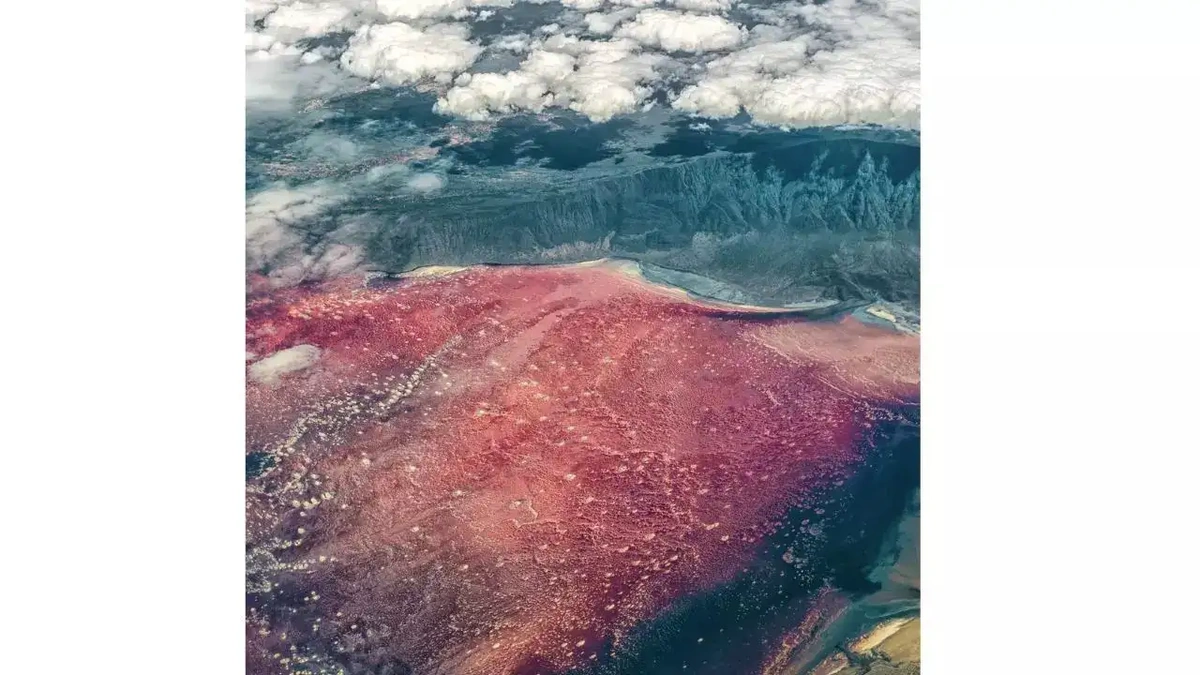
The original interpretation of the radar signals pointed towards a highly salty, liquid water reservoir buried about 1.5 kilometers beneath Mars’ south polar ice cap. Sounds amazing, right? However, a new study published in Geophysical Research Letters throws a bucket of cold Martian dust on that idea. The study suggests that the radar reflections aren’t necessarily indicative of liquid water at all. Instead, they could be caused by the composition of the subsurface itself – specifically, the presence of brines and perchlorates within layers of rock and dust.
Think of it this way: imagine shining a light through a glass of water. Now, imagine shining that same light through a layered cake filled with salty caramel. The light will behave differently in each substance. What these scientists are suggesting is that the radar is picking up a “cake” effect, not a “water” effect. This distinction is critical in understanding the geological history of Mars .
Why This Matters | The Hunt for Martian Life
Here’s the thing: the presence of liquid water is generally considered a key ingredient for life as we know it. So, if that “lake” turns out to be just a bunch of rocks and dust, it significantly dampens (pun intended) the prospects of finding current life on Mars in that particular location. But, (another but!), it doesn’t completely eliminate the possibility of life elsewhere on the planet. And that’s crucial to remember. It also impacts our understanding of subglacial lakes on Earth. We often use Earth analogs to understand other planets.
Moreover, understanding the composition of the Martian subsurface is essential for future missions. If we ever plan to establish a permanent base on Mars, we need to know what resources are available, and what challenges we’ll face when digging into the ground. Is it solid rock? Is it loose dust? These are vital questions . The subsurface environment could potentially offer resources like water ice, but it might also contain harmful substances like perchlorates, which are toxic to humans.
The Role of Perchlorates and Brines
Let’s talk about these perchlorates and brines. Perchlorates are salts containing chlorine, and they’ve been detected in Martian soil by the Phoenix lander and the Curiosity rover. They can lower the freezing point of water, allowing it to exist in liquid form at temperatures well below 0°C. Brines are just highly concentrated salt solutions. Think of them as super-salty water. These materials may be creating the illusion of a subsurface liquid water body . I initially thought that the brines would be a key indicator of liquid water. But it could just be a signature of geological processes that don’t support life.
The study authors suggest that layers of perchlorates and brines within the rock can produce radar reflections similar to those expected from liquid water. This is because these materials have different electrical properties than the surrounding rock and dust, causing the radar waves to bounce off them in a specific way. This also affects Martian south polar ice cap research.
What’s Next for Martian Exploration?
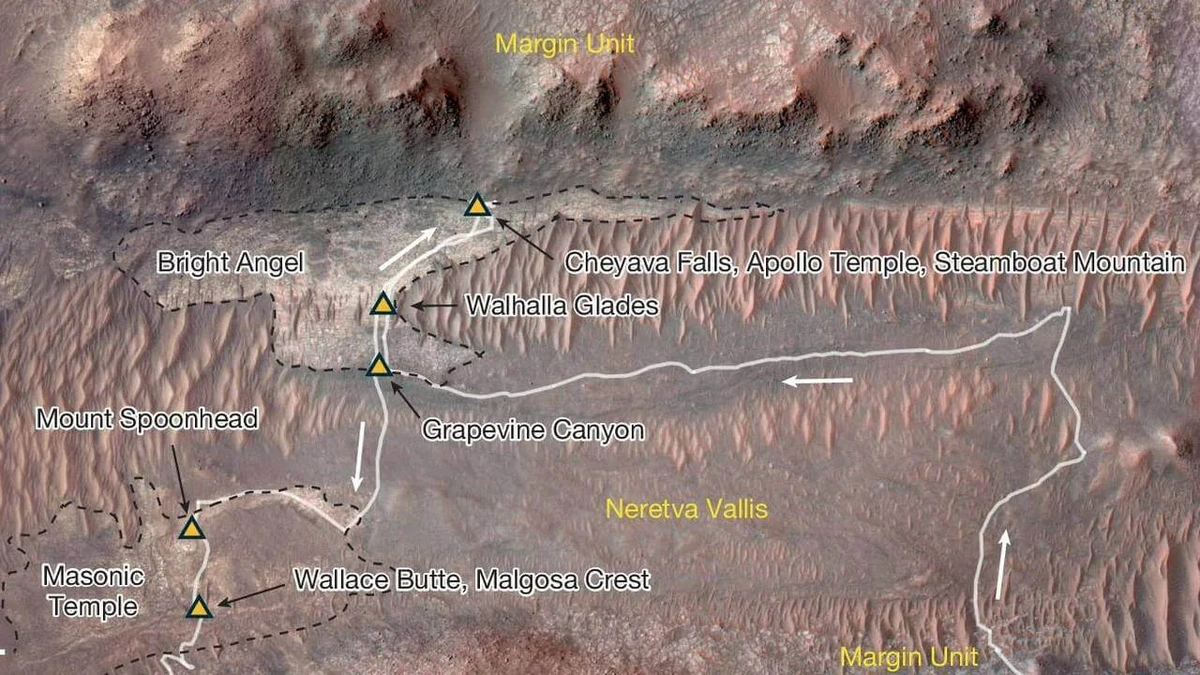
So, where does this leave us? Disappointed that there probably isn’t a hidden lake on Mars? Maybe a little. But, this is how science progresses. We formulate hypotheses, test them with data, and refine our understanding as new information becomes available. The Mars Express orbiter continues to collect data, and future missions, like the Rosalind Franklin rover (delayed but still planned!), will carry instruments capable of directly analyzing the Martian subsurface. These missions will play a vital role in determining the true nature of the radar reflections and assessing the potential for life on Mars. There’s a lot to learn about the geochemistry of Mars , and these new findings just scratch the surface.
What fascinates me even more is the sheer human drive to understand the universe around us. We’re not content with simply knowing that Mars is red and dusty. We want to know why it’s red and dusty. We want to know what secrets it holds beneath the surface. And that’s a quest worth pursuing, even if it means debunking a few exciting (but ultimately incorrect) theories along the way. This quest leads to better planetary science .
FAQ About the Martian ‘Lake’
Frequently Asked Questions
Wait, so there’s definitely no water on Mars?
Not necessarily! This study casts doubt on the existence of a lake specifically under the south polar ice cap, but there’s plenty of evidence for water ice at the poles and potentially small amounts of transient liquid water elsewhere on the planet.
What does this mean for finding life on Mars?
It makes it a bit less likely in that particular spot. But Mars is a big place! The search for life continues, focusing on other potentially habitable environments.
Are perchlorates dangerous?
Yes, they can be. They interfere with thyroid function in humans. So, if we ever establish a base on Mars, we’ll need to find ways to remove or mitigate their effects.
Will future missions help clarify this mystery?
Absolutely! The Rosalind Franklin rover, for example, is designed to drill into the Martian subsurface and analyze its composition directly.
What are the implications for subglacial lakes research on Earth?
Understanding what causes certain radar reflections on Mars help us refine our methods for detecting subglacial lakes on Earth, and accurately measuring their properties.
So, while the dream of a Martian lake might be on hold, the exploration of Mars is far from over. In fact, it’s just getting started. The debunking of one theory simply paves the way for new discoveries, new questions, and a deeper understanding of our fascinating, and often surprising, universe.
About the Author