Mars | Lightning Strikes! What Does It Mean?
Hold on to your hats, folks! We’ve always dreamt of finding water or maybe a sign of life on Mars. But first lightning ? That’s a cosmic plot twist I didn’t see coming. It sounds like something out of a sci-fi movie – a Martian thunderstorm raging across the desolate landscape. What fascinates me is – what does this mean? Why now, and what can it tell us about the Red Planet?
It’s easy to gloss over this as just a cool fact. But, as my grandfather used to say, “There are no coincidences.” Let’s dive deep into why this discovery of Martian lightning is HUGE, not just for space enthusiasts, but for anyone curious about the universe and our place in it.
The ‘Why’ Behind Martian Lightning
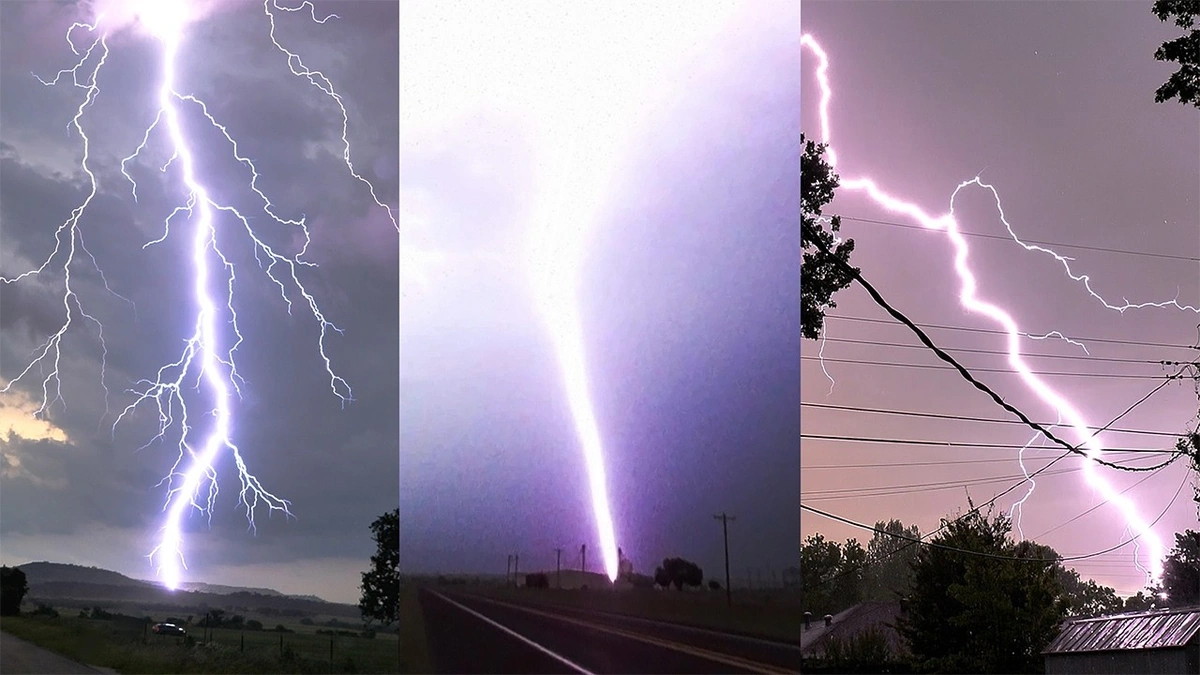
So, you might be thinking, ” Lightning happens. So what?” Well, the presence of lightning implies several things. First, it suggests there’s enough atmospheric activity on Mars to generate the electrical charges needed for a lightning strike. That might involve dust storms (a very likely contender) or some other kind of atmospheric phenomenon we haven’t fully understood yet. The implications are far-reaching, suggesting a more dynamic and active Mars than previously thought.
Second, lightning can create certain chemical reactions. On Earth, lightning plays a role in the nitrogen cycle. Could something similar be happening on Mars, influencing the planet’s chemical composition? Could lightning be creating conditions that might just might be favorable for some form of microbial life? These are the kinds of questions scientists are now scrambling to answer.
How Lightning Detection on Mars Works
You might be wondering, how do you even detect lightning on another planet millions of kilometers away? It’s not like someone was standing there with a lightning detector! Usually, orbiting spacecraft with specialized instruments that can measure electromagnetic radiation are used.
These instruments are designed to pick up the telltale radio waves emitted by lightning strikes. It’s like listening for a faint crackle in the cosmic noise. Analyzing the frequency and intensity of these radio waves can tell scientists about the location and strength of the lightning . The tricky part is distinguishing these signals from other sources of electromagnetic interference, like solar flares or spacecraft operations.
Dust Storms | The Prime Suspect
Now, let’s talk about dust storms. Mars is famous for them. These aren’t your average dust devils; we’re talking planet-engulfing storms that can blot out the sun for weeks. The prevailing theory is that these dust storms are the primary mechanism for generating lightning on Mars.
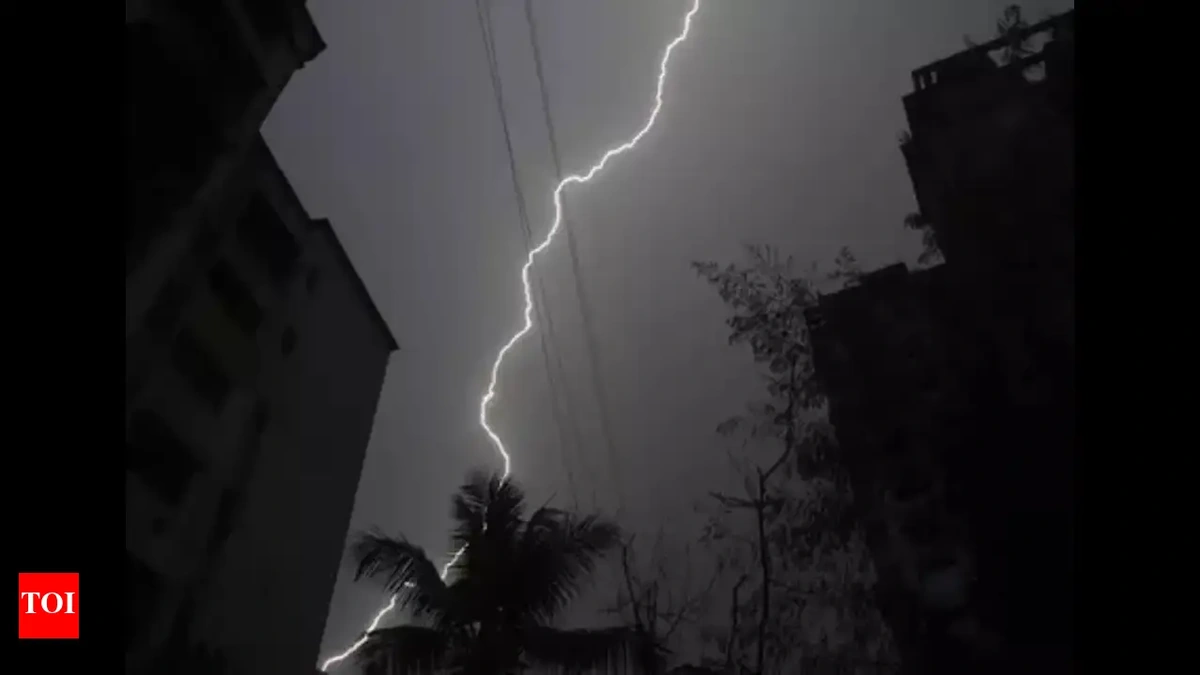
The idea is that as dust particles collide and rub against each other in the storm, they generate static electricity. This is similar to how you get a static shock when you walk across a carpet in dry weather. When enough charge builds up, it discharges in the form of lightning . The scale of Martian dust storms is so vast that they can create incredibly powerful electrical fields, leading to these planet-sized lightning strikes. This phenomenon might also explain why most lightning activity seems to be concentrated in certain regions of Mars known for their frequent dust storms.
The Search for Life | A Spark of Hope?
Okay, let’s address the elephant in the (Martian) room: Could lightning on Mars have any connection to the possibility of life? The honest answer is, we don’t know for sure.
However, lightning plays a crucial role in creating the building blocks of life. It provides the energy needed to break apart molecules and form new, more complex ones. On early Earth, lightning is believed to have played a significant role in the formation of amino acids and other organic compounds. Could a similar process be happening on Mars? It’s a long shot, but not impossible.
Even if lightning isn’t directly creating life, it could be creating conditions that make it easier for life to exist. For example, lightning can produce nitrates, which are essential nutrients for many microorganisms. If these nitrates are present on Mars, they could provide a food source for potential Martian life forms. But let’s be clear: we’re talking about extremely speculative scenarios here. We need a lot more data before we can even begin to make any definitive claims about life on Mars. Mars exploration is only just getting started!
Future Missions and the Martian Weather Forecast
The detection of lightning on Mars highlights the need for more sophisticated weather monitoring systems on future missions. We need to understand how frequently lightning occurs, where it’s most common, and how it’s related to dust storm activity. This information is crucial for several reasons.
First, it will help us better understand the Martian atmosphere and its dynamics. Second, it will improve our ability to predict Martian weather, which is essential for the safety of future human missions. Imagine being an astronaut on Mars and getting caught in a planet-wide dust storm with frequent lightning strikes! Knowing when and where these storms are likely to occur could be a matter of life and death. Third, studying lightning on Mars can give us insights into how lightning works on other planets, including Earth.
FAQ About Lightning on Mars
Is this the first time lightning has been detected on Mars?
While there might have been previous hints, this is the most convincing and well-documented detection so far. New research and better instruments have allowed scientists to confirm the presence of lightning .
How does Martian lightning compare to lightning on Earth?
It’s likely quite different. The Martian atmosphere is much thinner and drier than Earth’s, so lightning strikes might be weaker and less frequent. Also, the composition of the atmosphere could affect the color and intensity of the lightning .
Could lightning damage future Mars rovers or habitats?
Potentially, yes. Lightning strikes can generate electromagnetic pulses that could damage sensitive electronic equipment. That’s why it’s important to study Martian lightning and develop protective measures for future missions.
What does this mean for finding life on Mars?
It’s still a long shot, but lightning could potentially create conditions that are more favorable for life. It could also be a source of energy for certain microorganisms.
Will there be Martian thunder?
That’s a fascinating question! Sound doesn’t travel well in the thin Martian atmosphere. Even if there were thunder, it would likely be very faint and muffled, and might not even be audible to the human ear.
So, the next time you look up at the night sky, remember that even on the seemingly barren Red Planet, there are still surprises waiting to be discovered. The detection of lightning on Mars is a reminder that the universe is full of mysteries, and that exploration and discovery are never truly finished.
About the Author