
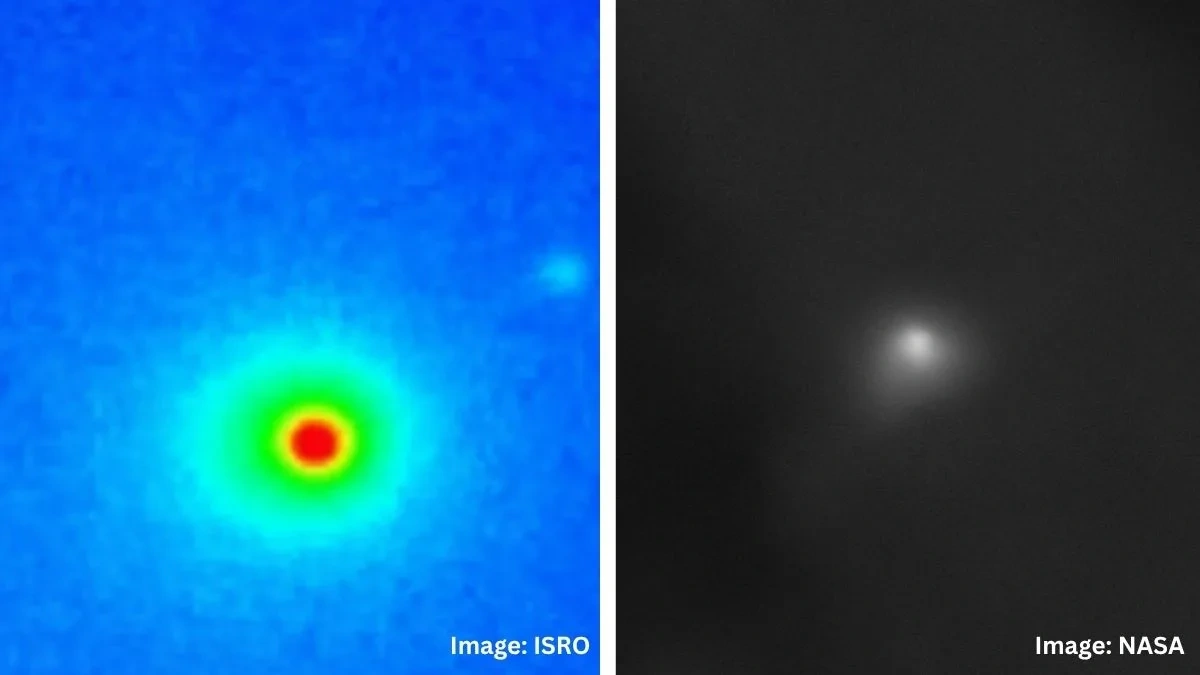
New Interstellar Comet Images | See What NASA Found!
Okay, folks, buckle up! We’re about to take a cosmic road trip, courtesy of NASA’s top-notch telescopes. This isn’t just about pretty pictures – although, let’s be honest, they are stunning. This is about peeling back the layers of our universe and understanding where we all came from. NASA just released some incredible images of an interstellar comet , and I’m here to tell you why it should matter to you, even if you think space is “just out there.”
What Makes This Interstellar Comet So Special?
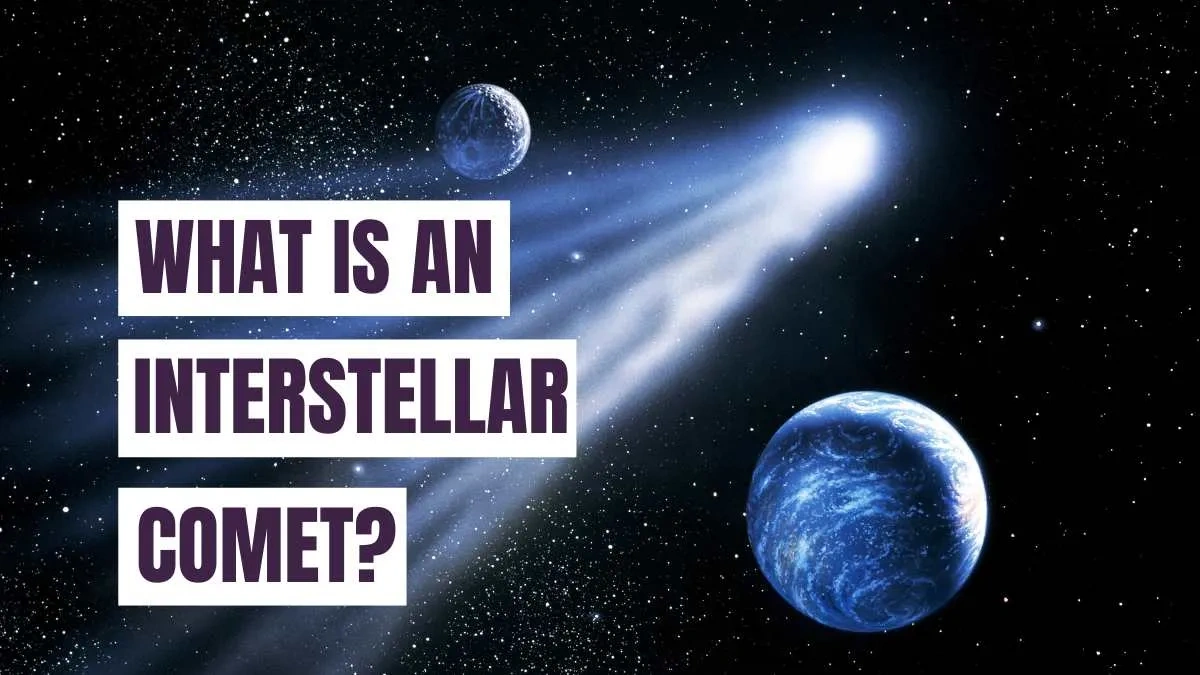
Here’s the thing: comets, in general, are leftovers from the formation of solar systems. They’re like cosmic time capsules, frozen in time and space (pun intended!). Most of the comets we see are part of our own solar system’s extended family. But an interstellar comet ? That’s a traveler from another star system entirely. It’s like finding a message in a bottle that floated across the ocean from a completely different continent. According to NASA, this particular comet, designated 2I/Borisov (yes, they give them cool names), gives us a glimpse into the building blocks of other solar systems. Think about that – we’re analyzing something that formed around a distant star, light-years away! What fascinates me is that these visitors can bring elements that are unknown to our system.
The “Why” | Unlocking the Secrets of Planetary Formation
So, why should you care? Well, understanding the composition of these interstellar comets helps us piece together the puzzle of how planets form. Each comet carries materials unique to its birthplace, influenced by the star and environment it originated from. This is huge! By studying them, we can:
- Understand the diversity of planetary systems.
- Learn about the distribution of elements in the galaxy.
- Potentially find clues about the origins of life itself – because, let’s face it, comets are known to carry organic molecules.
NASA’s images aren’t just pretty; they’re data goldmines! The level of detail we’re getting allows scientists to analyze the comet’s chemical makeup, its size, and its trajectory with unprecedented accuracy. And as per NASA’s Science Mission Directorate , this kind of research is crucial for understanding our place in the cosmic neighborhood.
A Visual Tour | What the Images Reveal
Alright, let’s talk about the pictures themselves. NASA has released a series of images captured by the Hubble Space Telescope and other observatories. What I noticed first is the sheer detail – you can see the comet’s nucleus (the solid, icy core) and the coma (the fuzzy atmosphere surrounding it) with incredible clarity. And there’s something strangely artistic about the colors and shapes. It’s like nature’s own abstract painting, but with a scientific purpose. Remember that understanding the cometary dust is key to understanding the formation of the planets.
The images also reveal the comet’s tail – that iconic streak of gas and dust that trails behind it. The tail isn’t just for show; it’s formed by the sun’s radiation and solar wind pushing material away from the comet. By studying the tail’s shape and composition, scientists can learn about the comet’s activity and how it interacts with the solar environment.
How Scientists Are Analyzing The Data
Now, let’s get a little nerdy (in a good way!). Analyzing these images involves a lot more than just looking at them. Scientists use sophisticated techniques to measure the comet’s brightness, color, and spectral properties. This allows them to identify the different elements and molecules present in the comet. According to recent publications in Astrophysical Journal Letters, a common mistake I see people make is assuming that all comets have the same composition. That’s absolutely not true, and that is where the analysis comes into play!
For example, they can look for the presence of water ice, carbon dioxide, and organic molecules. These substances provide clues about the comet’s origin and the conditions under which it formed. They are also searching for volatile compounds that sublimate when the comet approaches the Sun.
But, the researchers aren’t just relying on visual data. They also analyze the comet’s trajectory to determine where it came from and where it’s going. This involves complex calculations and simulations, taking into account the gravitational forces of the sun, planets, and other celestial bodies. This is very similar to how we determine the path of an earth-approaching asteroid .
Speaking of gravity, have you read about Saturn’s moon ? You should check it out!
The Future of Interstellar Comet Research
This is just the beginning. As technology advances, we’ll be able to study interstellar comets in even greater detail. Future telescopes and space missions will allow us to probe their interiors, analyze their surfaces, and even collect samples for analysis back on Earth. The ultimate goal is to create a comprehensive picture of these cosmic travelers and their role in the evolution of the universe. Think about it: we might even discover new elements or molecules that we’ve never seen before!
And here’s another thought: these comets might have played a role in bringing water and organic molecules to Earth billions of years ago. It’s possible that life itself originated from these interstellar visitors. The Oort cloud may be a reservoir of these objects.
FAQ About Interstellar Comets
What exactly is an interstellar comet?
It’s a comet that originated from outside our solar system, visiting us from another star system.
How do scientists know it’s from another star system?
By analyzing its trajectory and velocity, which are different from comets born in our solar system.
Can I see an interstellar comet with my own telescope?
Unfortunately, most interstellar comets are too faint to be seen with small telescopes. But hey, you can still enjoy the images from NASA!
Will an interstellar object like this ever hit Earth?
It’s possible, but highly unlikely. Scientists are constantly monitoring the skies for potential threats, including asteroids and comets.
What is the significance of discovering water molecules in these comets?
Discovering water is a big deal because it suggests that water, a key ingredient for life as we know it, is common throughout the universe. Plus, it supports the theory that comets may have delivered water to early Earth. By the way, you can read more about this on Wikipedia .
Don’t forget to check out this article about Elon Musk , it will surprise you.
So, there you have it. NASA’s latest images of an interstellar comet aren’t just pretty pictures; they’re a window into the past and a glimpse into the future. They’re a reminder that we’re all connected, not just on Earth, but across the vast expanse of the universe. And that, my friends, is a pretty amazing thought.
About the Author