Astronomy Secrets | December's Sky Show!
December. The year is winding down, the nights are getting longer, and for us sky-gazers, it’s prime time to look up! Forget the holiday shopping frenzy for a bit – treat yourself to the breathtaking spectacle of the cosmos. This December, we’re in for a celestial treat with the Pegasus constellation, the dazzling Geminids meteor shower, and the solemn Winter Solstice. But, here’s the thing, it’s not just about knowing what’s up there. It’s about understanding why these events matter and connecting with the awe-inspiring universe around us. That’s what we’re diving into today.
Pegasus | The Winged Horse Takes Flight
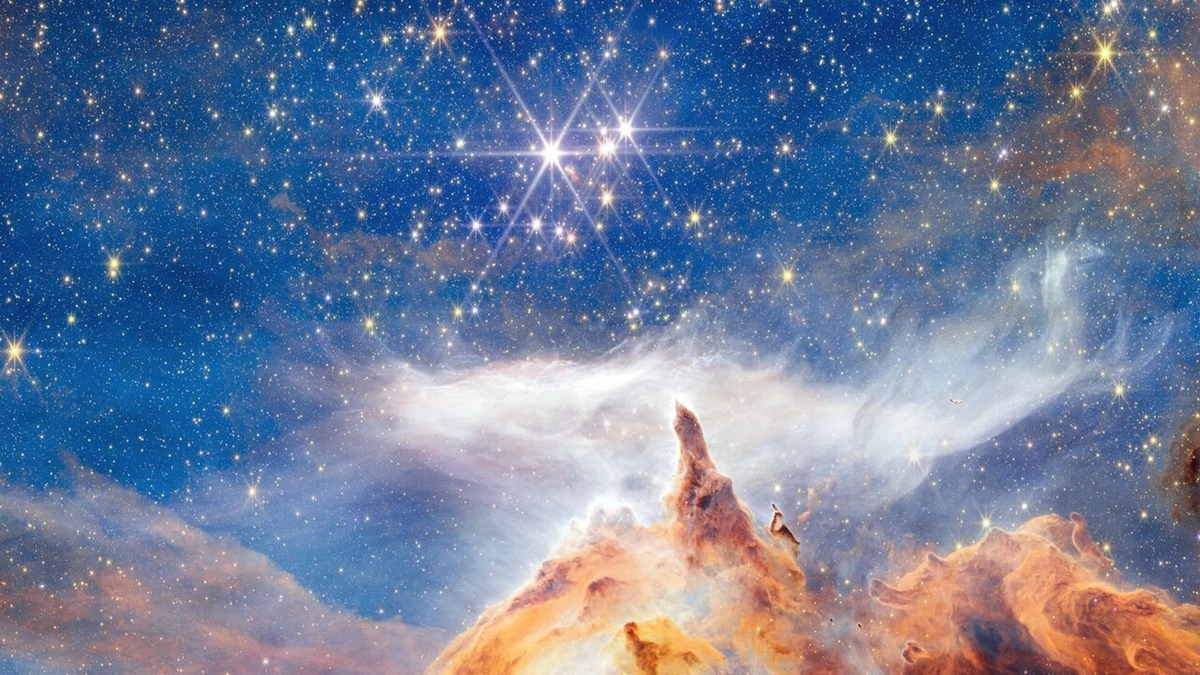
So, let’s kick things off with Pegasus. This isn’t just some random group of stars. Pegasus is a prominent constellation in the northern sky, representing the winged horse from Greek mythology. And, if you’re in India, especially in the northern parts, December offers a fantastic opportunity to spot it. But, you might ask, why should you care about a mythological horse in the sky? Well, for starters, finding Pegasus is your gateway to navigating the night sky. It’s a great starting point to spot other constellations.
The Great Square of Pegasus is your key. This asterism (a recognizable pattern of stars) is relatively easy to spot, even in moderately light-polluted areas. Once you’ve located the Great Square, you can then start tracing the rest of the constellation. For those just beginning in astronomy , I recommend using a stargazing app. These apps use your location and show you exactly where to look.
What fascinates me is how different cultures throughout history have interpreted these same stars. While we see Pegasus, others have seen entirely different figures. It’s a reminder that our understanding of the universe is constantly evolving.
Geminids Meteor Shower | A Shower of Stardust
Now, let’s talk about the Geminids. This is, hands down, one of the most reliable and spectacular meteor showers of the year. Unlike some meteor showers that produce faint streaks, the Geminids are known for their bright, often colorful meteors. And, yes, they appear to radiate from the constellation Gemini, hence the name.
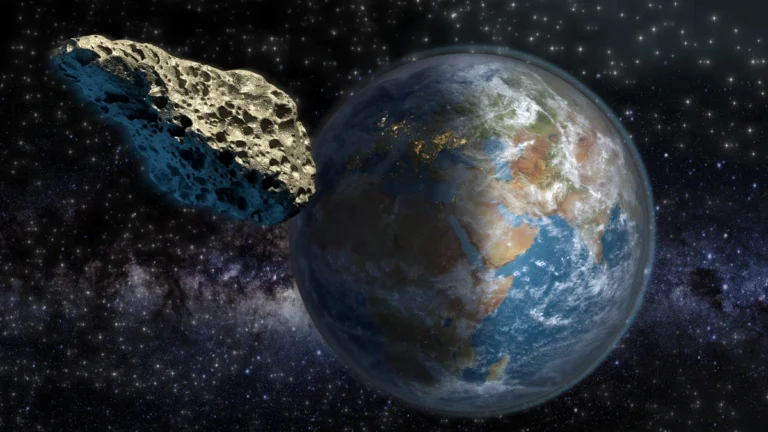
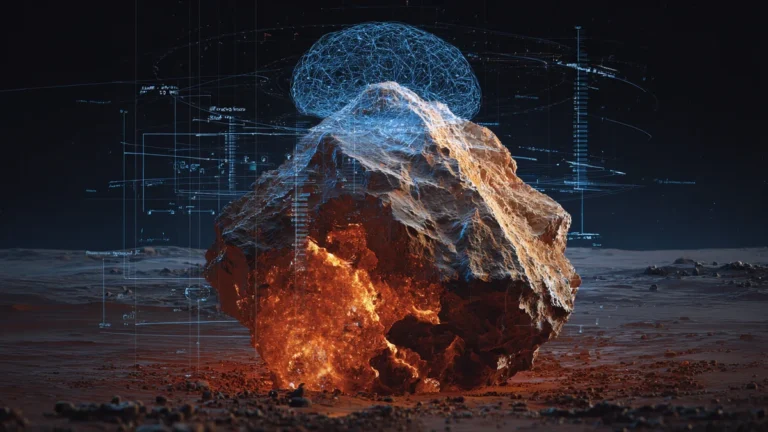
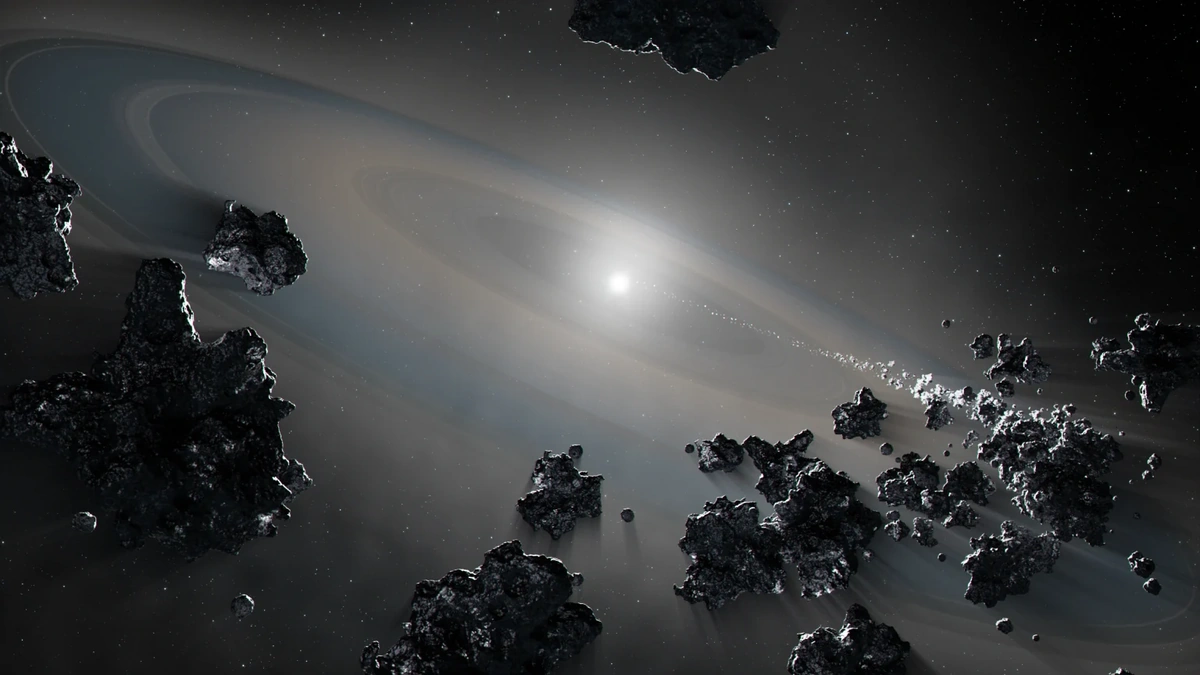
The Geminids are special for another reason: they originate from an asteroid called 3200 Phaethon. Most meteor showers come from comets, which are icy bodies that shed debris as they orbit the sun. But Phaethon is a rocky asteroid, making the Geminids a bit of an oddball. What interests me is the science behind it. Scientists believe that Phaethon might have undergone a collision in the past, creating the stream of debris that causes the Geminids. According to Wikipedia , under ideal conditions, observers can see up to 120 meteors per hour during the peak!
The best time to view the Geminids is typically around December 13-14, after midnight. Find a dark location away from city lights, lie on your back, and look up. No telescopes or binoculars needed – your naked eyes are the best tools for this celestial show. And a thermos of chai, of course.
A common mistake I see people make is looking directly at the radiant (the point where the meteors appear to originate). While you’ll see meteors there, you’ll see more meteors with longer tails if you look slightly away from the radiant. Let’s be honest, patience is key here. It takes time for your eyes to adjust to the darkness, and you might have to wait a while between meteors. But trust me, it’s worth it.
Winter Solstice | The Longest Night
And then we arrive at the Winter Solstice. This marks the shortest day and longest night of the year in the Northern Hemisphere. It typically falls around December 21st or 22nd. The winter solstice isn’t just an astronomical event; it’s a cultural one. For millennia, cultures around the world have celebrated the solstice with festivals and rituals, marking the return of light and the promise of warmer days ahead.
What fascinates me is how deeply ingrained the solstice is in our collective consciousness. From ancient monuments like Stonehenge to modern-day celebrations, the solstice reminds us of the cyclical nature of life and the importance of hope during the darkest times. From an astronomy perspective, the solstice occurs because the Earth’s axis is tilted at an angle of 23.5 degrees. This tilt causes different parts of the Earth to receive more or less direct sunlight throughout the year.
On the winter solstice, the Northern Hemisphere is tilted furthest away from the sun, resulting in the shortest day and longest night. After the solstice, the days gradually get longer, and the nights get shorter, until we reach the summer solstice in June. Now, you might not be able to “see” the solstice like you can see Pegasus or the Geminids. But, take a moment on that day to appreciate the significance of the event. Reflect on the changing seasons and the enduring power of the sun.
How to Make the Most of December’s Sky Events
Okay, so you’re excited about Pegasus, the Geminids, and the Winter Solstice. But how do you actually make the most of these celestial events? Here’s the thing; planning is key.
- Find a Dark Location: Light pollution is the enemy of stargazers. Get away from city lights as much as possible. Even a short drive can make a big difference.
- Check the Weather: Cloud cover can ruin your night. Check the forecast beforehand and be prepared to reschedule if necessary.
- Dress Warmly: December nights can be cold, especially if you’re spending several hours outside. Dress in layers and bring a warm blanket.
- Use a Stargazing App: These apps can help you locate constellations, planets, and other celestial objects. There are many free and paid options available.
- Be Patient: Stargazing takes time. It takes time for your eyes to adjust to the darkness, and you might have to wait a while between meteors. Be patient and enjoy the experience.
A common mistake I see people make is giving up too easily. They go out for 15 minutes, don’t see anything, and then go back inside. Stargazing is a marathon, not a sprint. The longer you stay out, the more you’ll see. Remember to explore the benefits of astronomy . I initially thought this was straightforward, but then I realized it’s about more than just observing; it’s about connecting with something larger than ourselves.
Beyond the Naked Eye | Exploring Further
While naked-eye observing is a fantastic way to experience the night sky, there are plenty of ways to take your December sky events viewing to the next level.
- Binoculars: Binoculars can reveal fainter stars and objects that are invisible to the naked eye. They’re also great for observing the moon and planets.
- Telescopes: A telescope can provide even more detailed views of celestial objects. However, telescopes can be expensive and require some practice to use effectively.
- Astrophotography: If you’re interested in capturing images of the night sky, you can try astrophotography. This requires a camera, a tripod, and some basic knowledge of photography.
But let’s be honest, you don’t need expensive equipment to enjoy the night sky. Even with your naked eyes, you can see a lot. The important thing is to get out there and start looking. And remember that the geminids meteor shower is a gift of nature that should be appreciated.
FAQ | Your December Sky Questions Answered
Frequently Asked Questions
What if I have light pollution in my area?
Try to find a park or open space away from direct lights. Even a small distance can help. Also, check websites like Dark Site Finder to locate darker areas near you.
What’s the best time to see the Geminids meteor shower?
The peak is usually around December 13-14, after midnight. Give your eyes at least 20 minutes to adjust to the darkness.
Do I need special equipment to see Pegasus?
No special equipment is needed, but a stargazing app can help you locate it.
Is the Winter Solstice a specific time, or a full day?
It occurs at a specific moment when the sun is directly over the Tropic of Capricorn, but the entire day is celebrated as the shortest day of the year.
Are there any other astronomical events happening in December?
Yes! Check online astronomy calendars (like Space.com) for potential comet sightings, lunar events, or planetary conjunctions.
Can I see the Southern Hemisphere constellations from India?
No, not really. But you can definitely plan a trip to the Southern Hemisphere for astronomy , because you’ll see totally different celestial events than you’ll find in India.
December’s sky events are an invitation to reconnect with the cosmos and reflect on our place in the universe. The pegasus constellation , the Geminids, and the Winter Solstice are all reminders of the beauty and wonder that surrounds us. So, take some time this December to look up, appreciate the night sky, and ponder the mysteries of the universe. I hope you enjoy the show!
About the Author