Africa Splitting? New Ocean's Continental Rift
Okay, let’s be honest – the idea of a continent splitting in two sounds like something straight out of a disaster movie. But here’s the thing: it’s actually happening. Not in a Hollywood-hyperbole, end-of-the-world kind of way, but in a slow, geological timescale kind of way. We’re talking about the East African Rift System , a massive continental rift that’s been inching its way across the African continent for millions of years. And, get this, it’s eventually going to create a brand-new ocean. Mind. Blown.
So, what’s the big deal? Why should you, sitting in India, care about a crack in Africa? Well, beyond the sheer awesomeness of witnessing planetary-scale change, it tells us a lot about how our planet works. And that, my friends, is endlessly fascinating. Plus, understanding these processes can help us better prepare for other geological events, both big and small.
The Slow-Motion Breakup | Understanding the Continental Rift
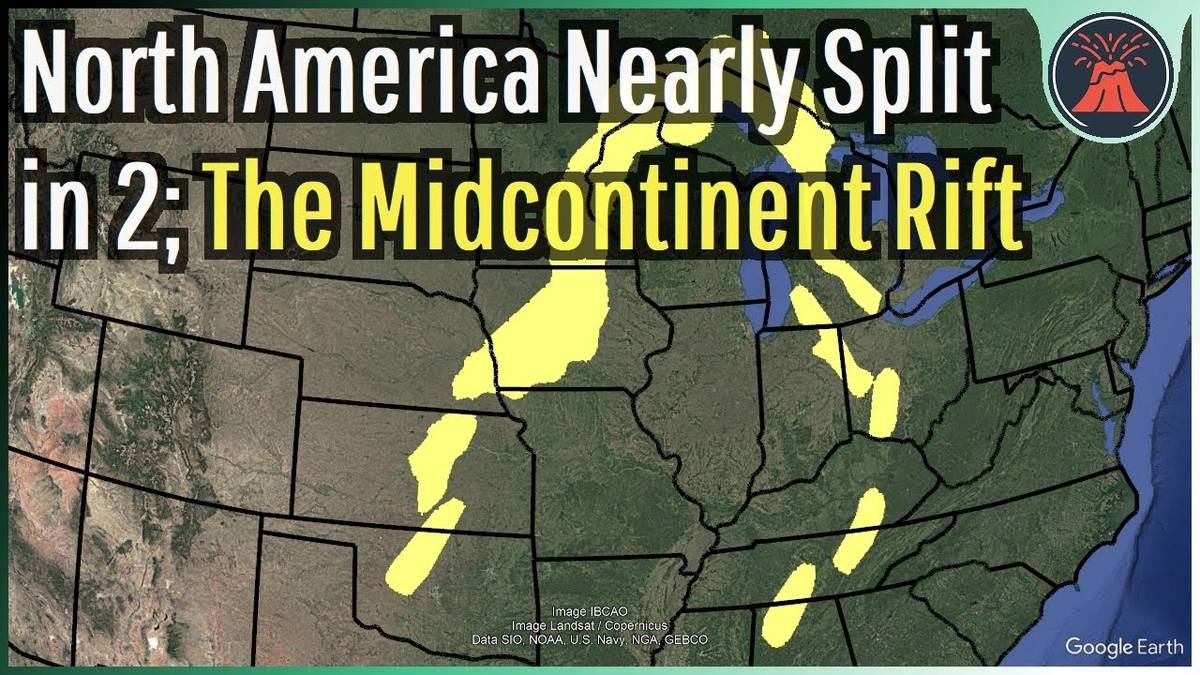
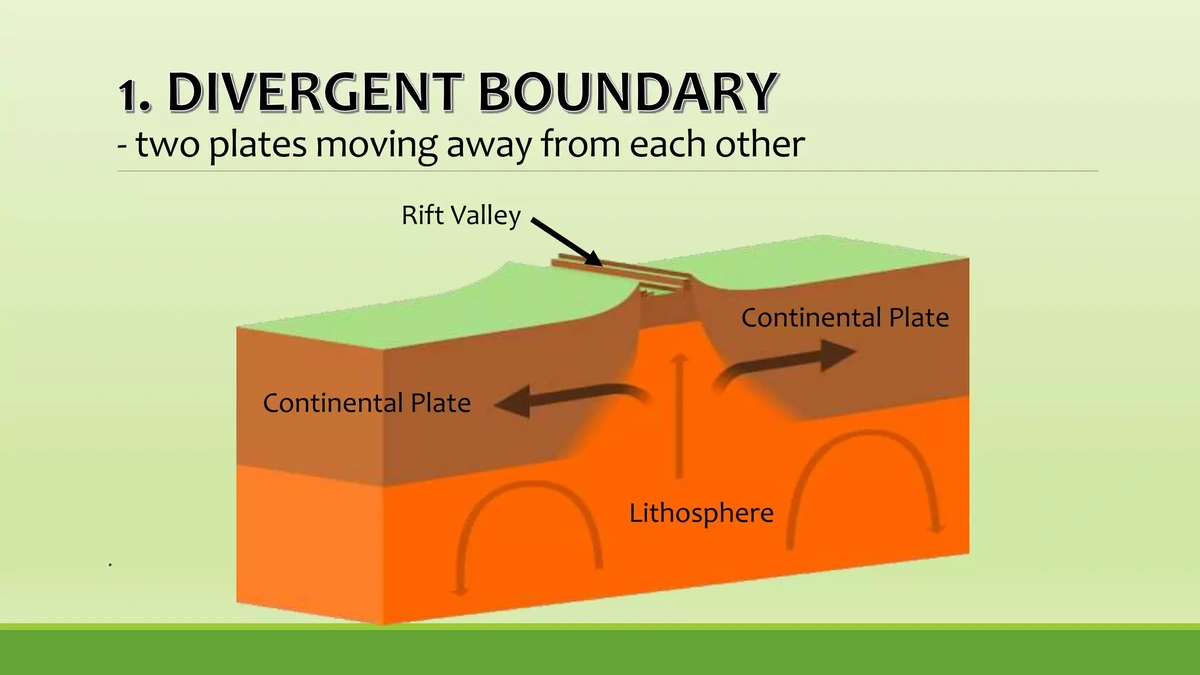
Imagine a bar of chocolate. You bend it, and initially, it resists. But with enough pressure, a crack appears, slowly widening until the bar snaps in two. That, in a nutshell, is what’s happening in East Africa, but on a vastly larger scale and with tectonic plates instead of chocolate. The East African Rift System isn’t a single crack, but a series of fractures, faults, and volcanic zones stretching thousands of kilometers, from Ethiopia down to Mozambique.
Now, you might be wondering, what force is strong enough to rip apart a continent? The answer lies deep within the Earth’s mantle. Think of the mantle as a giant conveyor belt of hot, molten rock. In certain areas, this material rises, pushing and pulling on the Earth’s crust. In the case of East Africa, scientists believe a mantle plume – an upwelling of abnormally hot rock – is weakening the lithosphere (the Earth’s rigid outer layer) and causing it to fracture. This process, called continental rifting , is not new in geological terms. It has happened countless times throughout Earth’s history.
Why This Matters | The Implications of a New Ocean
Okay, so a continent is splitting. Big deal, right? Wrong. This isn’t just about landmasses moving around; it’s about the birth of an ocean. As the rift valley widens, the crust thins, and eventually, molten rock from the mantle will rise to the surface, solidifying and forming new oceanic crust. This is precisely how the Atlantic Ocean was formed millions of years ago. The East African Rift System is essentially a baby Atlantic in the making.
What fascinates me is that we are able to see a birth of an ocean, as it happens. The implications are significant. Imagine a new coastline emerging in East Africa, new trade routes, and altered weather patterns. The formation of a new ocean will also have a profound impact on the region’s ecosystems, creating new habitats and potentially leading to the evolution of new species. Moreover, the rifting process is associated with volcanic activity and earthquakes, posing risks to the people living in the affected areas. Understanding the dynamics of the rift zone is therefore crucial for mitigating these risks and ensuring the safety of local communities.
The Speed of Slow | How Fast is This Happening?
Geological time is mind-boggling. When we talk about millions of years, it’s hard to grasp the timescale. The continental rift is expanding at varying rates, with some sections widening by only a few millimeters per year. That’s slower than your fingernails grow! However, in geological terms, that’s breakneck speed. Over millions of years, these tiny movements add up to significant changes. For example, a large crack suddenly appeared in southwestern Kenya in March 2018, tearing apart a highway. Scientists linked this event to the ongoing rifting process, a dramatic illustration of the forces at play.
This event brings up an interesting point: The geological timescale can be hard to grasp. What seems like a slow process to us can have sudden, dramatic manifestations in the form of earthquakes, volcanic eruptions, and the opening of large fissures in the Earth’s surface.
Living on the Edge | The Human Impact
Let’s be honest, living on an active rift valley isn’t exactly a walk in the park. The region is prone to earthquakes and volcanic eruptions, which can be devastating for local communities. However, the rift valley is also a region of immense beauty and rich biodiversity. The unique geological conditions have created a variety of habitats, from volcanic mountains to soda lakes, supporting a diverse range of plant and animal life.
Moreover, the geothermal activity associated with the rift valley has the potential to provide a sustainable source of energy for the region. Several countries in East Africa are already harnessing geothermal energy to generate electricity, reducing their reliance on fossil fuels. And what fascinates me is that this natural process could eventually lead to improved infrastructure and economic opportunities, although careful planning and mitigation strategies are essential to minimize the risks and maximize the benefits for the local population.
The Future of Africa | A Continent Transformed
So, what does the future hold for Africa? Well, eventually, the continent will split into two, with a new ocean separating East Africa from the rest of the continent. This process will take millions of years, but the end result will be a dramatically different world map. The continental divide will change trade winds, influencing weather patterns. The new ocean will create new opportunities for maritime transport and resource extraction. The possibilities – and the challenges – are endless.
But here’s the real kicker: the East African Rift System is a reminder that our planet is constantly changing. It’s a dynamic, evolving system, and we are just along for the ride. It is also an example of plate tectonics at work. By studying these processes, we can gain a deeper understanding of the Earth’s past, present, and future. And that, my friends, is something worth caring about, no matter where you live. Learn more about the East African Rift System.
FAQ About the East African Rift System
How long will it take for the new ocean to form?
Millions of years! Geological processes are incredibly slow.
Will the entire continent split in my lifetime?
No way. The changes are gradual and happen over immense timescales.
Are earthquakes common in the rift valley?
Yes, the region is seismically active due to the ongoing tectonic activity.
What causes a continental rift?
Mantle plumes and tectonic forces pulling the Earth’s crust apart.
Is there volcanic activity in the East African Rift System?
Absolutely. There are several active volcanoes along the rift valley.
Will this affect climate change?
Potentially, over very long periods, but the immediate impact is minimal.
About the Author