Comet Images From Mars? See NASA's Stunning View!
Okay, folks, let’s talk about comets . Not just any comets, mind you, but one that’s been zipping around our solar system, putting on a show for anyone who happens to be looking – whether they’re on Earth, Mars, or chilling in deep space. This isn’t just about pretty pictures; it’s about understanding where we come from, how our solar system formed, and maybe even the origins of life itself. Seriously, it’s that profound.
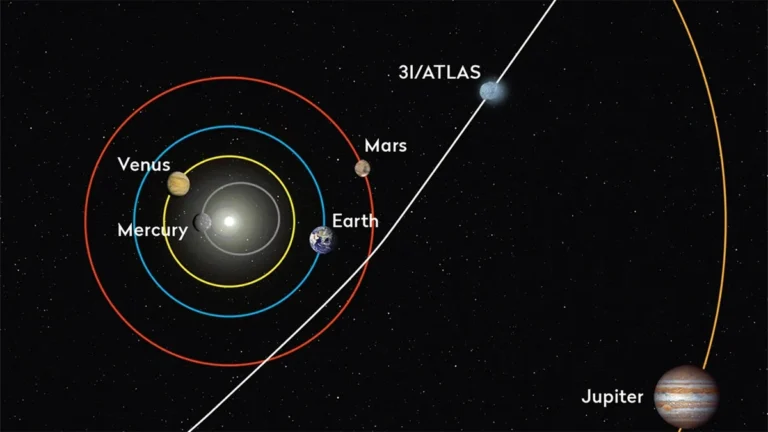
NASA, bless their data-collecting hearts, has snagged some truly breathtaking images of Interstellar Comet 3I/ATLAS . And the perspectives? Forget your backyard telescope. We’re talking views from Mars, from spacecraft hanging out in the void, and right up close as it swings past the sun. Let’s dive into why these images are more than just cosmic eye candy.
Why This Comet Matters | More Than Just a Space Rock
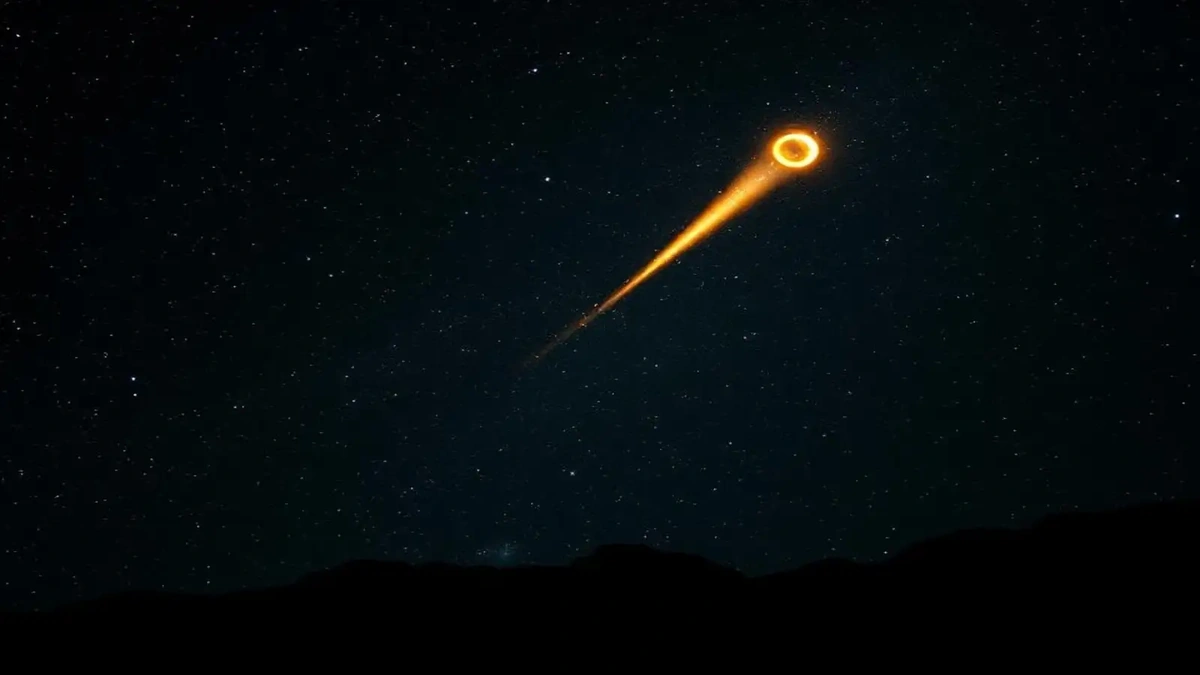
So, why should you care about a chunk of ice and dust hurtling through space? Well, for starters, 3I/ATLAS is an interstellar comet . That means it didn’t originate in our solar system. It’s a visitor from another star system, a cosmic tourist if you will. This alone makes it incredibly valuable for scientific study. Imagine finding a rock on Earth that came from another planet – that’s the equivalent of what we’re dealing with here.
Studying its composition can give us clues about the building blocks of other star systems. Is it similar to our own? Radically different? The answers could rewrite our understanding of planetary formation. Plus, comets are ancient relics. They’re like time capsules from the early days of our solar system (and others!), preserving materials that have been relatively unchanged for billions of years. This is a big deal in understanding solar system formation .
The Martian View | A Unique Vantage Point
What fascinates me is the Martian perspective. NASA’s Mars Reconnaissance Orbiter (MRO), hanging out around the Red Planet, managed to capture images of 3I/ATLAS. Now, why is this significant? Because it gives us a different angle of observation compared to telescopes on Earth. The atmosphere on Mars is much thinner, leading to clearer views, and its location in space gives us a slightly different viewing geometry. This is key to measuring the comet’s trajectory and behavior more accurately.
But there’s more to it than just a clearer picture. By observing the comet from Mars , scientists can study how solar radiation and the solar wind affect it as it travels through the inner solar system. This helps us understand the processes that shape comets and other icy bodies in space.
Deep Space Observations | A Comet Up Close and Personal
And then there are the images from spacecraft in deep space. These provide the closest, most detailed views of 3I/ATLAS. Instruments onboard these spacecraft can analyze the comet’s composition, measure the gases and dust it’s emitting, and study the way it interacts with the solar wind. It’s like having a lab right next to the comet!
These observations help us understand what comets are made of, how they evolve as they approach the sun, and how they contribute to the overall environment of the solar system. It’s a complex puzzle, and each piece of data from these different vantage points helps us get closer to solving it. This is really useful for studying comet composition .
Swinging Near the Sun | A Fiery Show
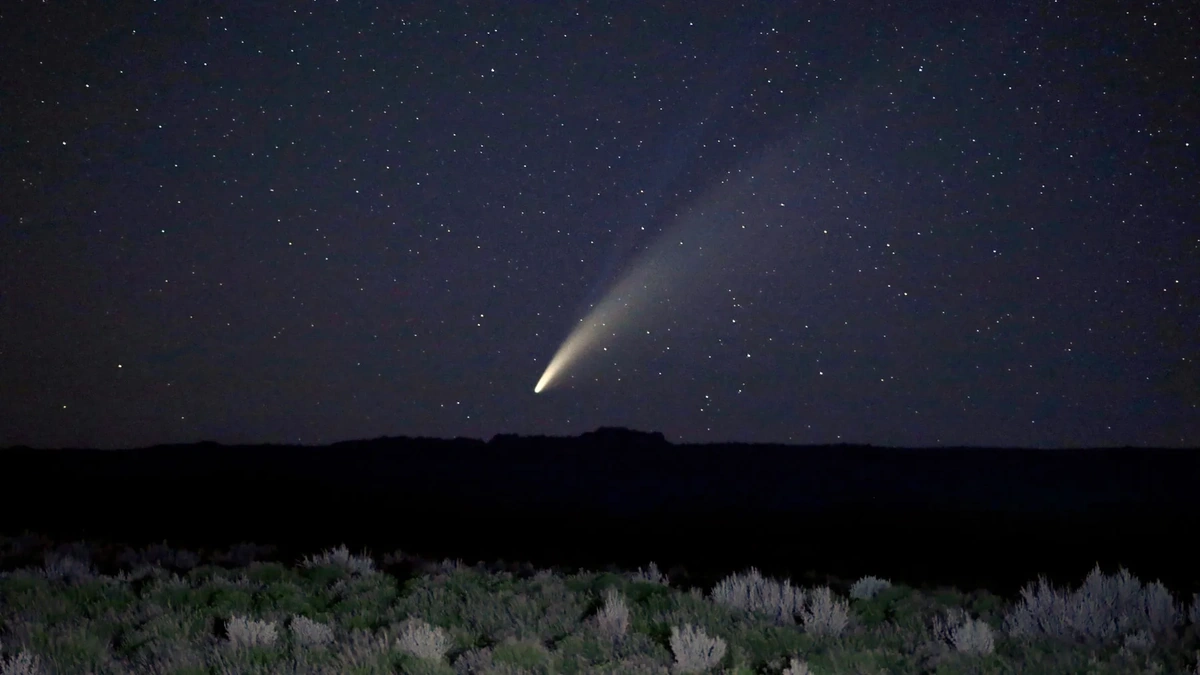
Comets tend to put on a spectacle when they get close to the sun. The sun’s heat causes the ice and dust that make up the comet to vaporize, creating a glowing coma (a cloud of gas and dust around the nucleus) and often a tail that stretches for millions of kilometers. The closer the comet gets, the more dramatic the show.
Observing 3I/ATLAS as it passes near the sun allows scientists to study this process in detail. They can measure the rate at which the comet is losing material, analyze the composition of the gases being released, and track the development of the coma and tail. This information helps us understand the processes that drive comet activity and how comets contribute to the solar system’s dust and gas environment. You should also check out Saturn’s moon .
The Big Picture | What Does It All Mean?
Here’s the thing: studying comets like 3I/ATLAS isn’t just about satisfying our curiosity (though that’s definitely a part of it!). It’s about understanding the origins of our solar system, the building blocks of planets, and the potential for life to exist elsewhere in the universe. Comets may have played a role in delivering water and organic molecules to early Earth, potentially seeding the planet with the ingredients for life.
By studying comets, we’re essentially looking back in time to the earliest days of our solar system. We’re learning about the processes that shaped the planets and created the conditions for life to arise. And who knows what other secrets these cosmic snowballs hold? Comet I/ATLAS is definitely an interesting topic to learn more about.
FAQ About Comets
What exactly is a comet?
A comet is a celestial body made mostly of ice and dust, often referred to as a “dirty snowball.” They orbit the Sun, and when they get close, they heat up and spew gases and dust, forming a coma and tail.
Where do comets come from?
Most comets originate from the Kuiper Belt or the Oort Cloud, far beyond the orbit of Neptune. 3I/ATLAS, however, is an interstellar comet, meaning it came from another star system!
Can comets hit Earth?
Yes, comets can potentially hit Earth. However, large impacts are rare. Smaller comets burn up in the atmosphere.
Why do comets have tails?
The tails are formed when the comet gets close to the Sun. The sun’s heat vaporizes the ice and dust, and the solar wind pushes this material away from the comet, creating the tail. Therefore comet tails are very interesting to astronomers.
Are comets dangerous?
While a direct impact from a large comet would be catastrophic, the chances are very slim. Scientists continuously monitor comets and asteroids to assess any potential risks.
So, the next time you see a headline about a comet, remember it’s more than just a pretty picture. It’s a window into the past, a clue to the origins of our solar system, and maybe even a hint about our place in the universe. And that, my friends, is pretty darn cool.
About the Author