Africa Splitting! New Ocean's Birth Revealed
The Earth is a dynamic place. Continents shift, mountains rise, and oceans expand. But what if I told you that one of the most dramatic geological events in recent history is happening right now, in Africa? Yes, the African continent is slowly, but surely, breaking apart, giving rise to a brand-new ocean. Now, before you start picturing a scene from a disaster movie, let’s delve into the why and how of this fascinating phenomenon.
The East African Rift System | A Geological Marvel
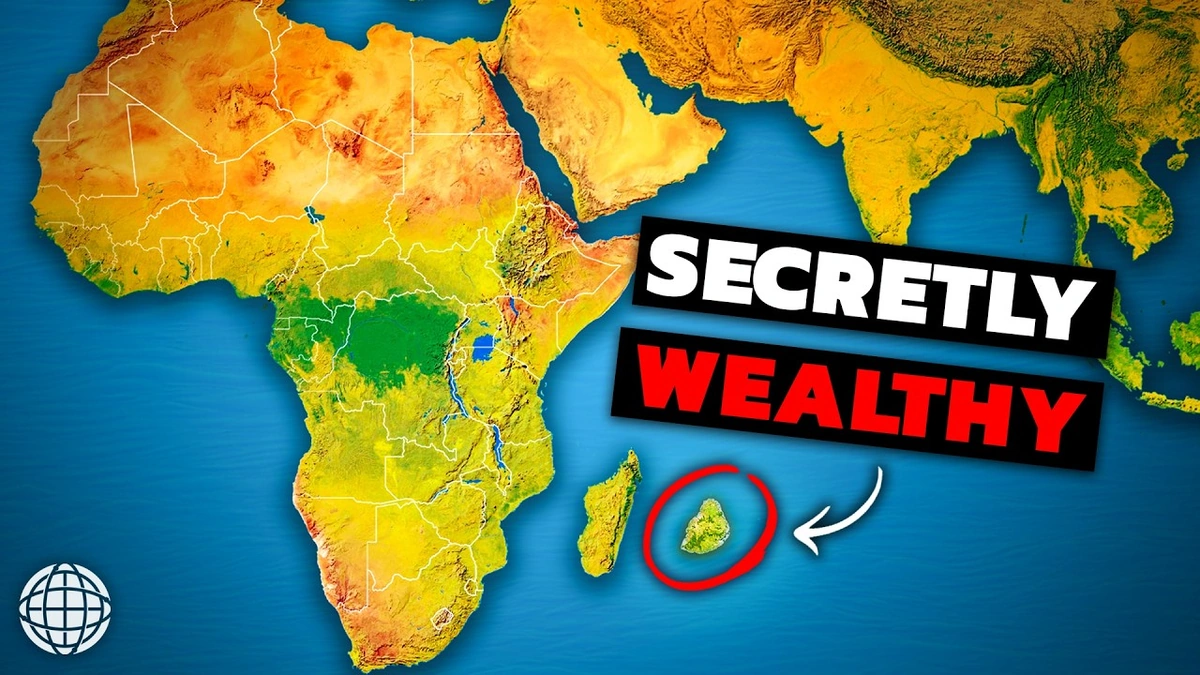
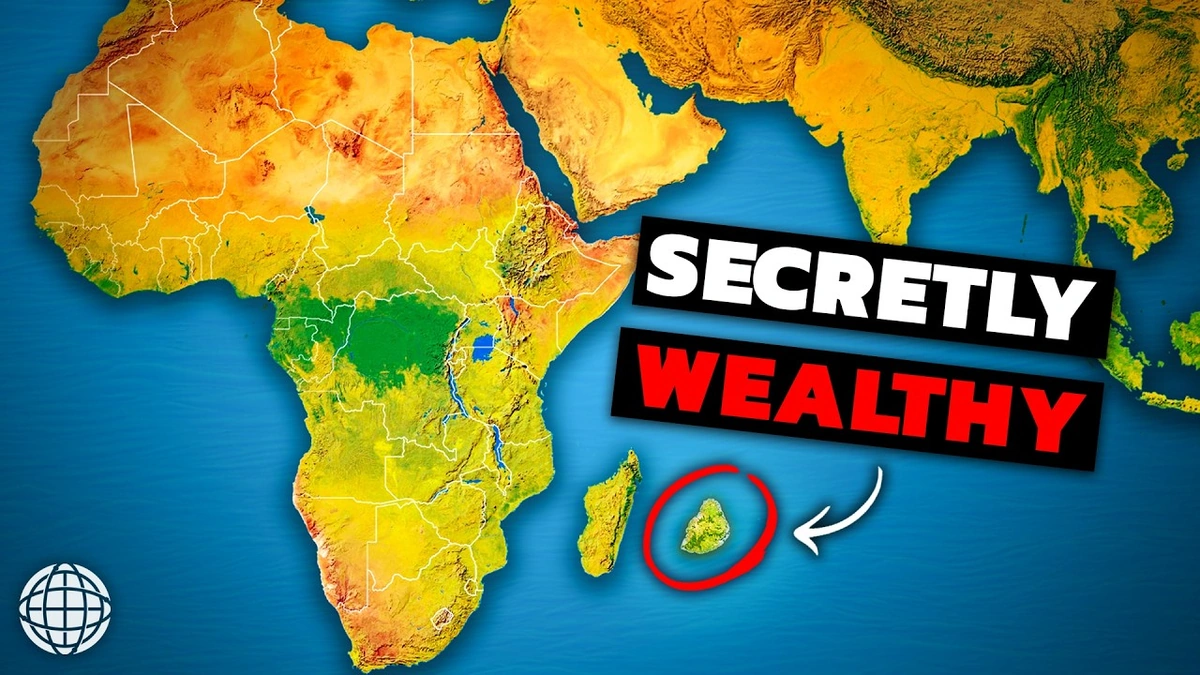
What fascinates me is the sheer scale of this event. We’re not talking about a crack in the ground; we’re talking about the East African Rift System, a colossal geological feature stretching thousands of kilometers from the Afar region of Ethiopia down through Kenya, Tanzania, and Mozambique. It’s not a single, continuous rift, but rather a series of faults and valleys that mark the beginning of a continental breakup. The East African Rift is an active example of continental rifting, a process that, given millions of years, can lead to the formation of a new ocean basin. But how does this actually work?
Well, deep beneath our feet, the Earth’s mantle is in constant motion. Convection currents, like boiling water in a pot, exert forces on the overlying crust. In the case of East Africa, these forces are pulling the continental plate apart. This is not happening uniformly; the crust is fracturing along pre-existing weaknesses, creating a complex network of rifts. Volcanic activity and earthquakes are common along these rifts, further evidence of the intense geological activity at play. Telescopes have even been used to observe some of the seismic activities.
The Three-Way Split | Nubian, Somali, and Arabian Plates
Here’s the thing: Africa isn’t just splitting in two. The East African Rift System involves the interaction of three major tectonic plates: the Nubian (or African) plate, the Somali plate, and the Arabian plate. The Arabian plate is moving away from Africa, contributing to the opening of the Red Sea and the Gulf of Aden. But the action we’re focusing on is happening where the Nubian and Somali plates are pulling apart. Scientists estimate that the Somali plate is separating from the Nubian plate at a rate of a few millimeters per year. While this might not sound like much, over millions of years, it’s enough to create a significant oceanic basin. Understanding tectonic plate movement is key to understanding how our planet evolves.
But, and this is a big but, it’s not a smooth, clean break. The process is messy, complex, and far from uniform. Some sections of the rift are more active than others, and the rate of separation varies along its length. This is why you see a patchwork of valleys, volcanoes, and seismic activity along the rift system, instead of one big, obvious crack.
Evidence on the Ground | The Kenyan Example
One of the most dramatic examples of this rifting process occurred in Kenya in 2018. Heavy rainfall exacerbated existing fault lines, causing a large crack to suddenly appear, tearing apart a major highway and causing significant disruption. While this event was relatively localized, it served as a stark reminder of the powerful geological forces at work beneath the surface. Falcon Launch missions are studying our planet as well to better understand it.
The Kenyan example is a visual representation of the long-term process of continental breakup. As the rift widens, the land between the separating plates will eventually sink below sea level, allowing water from the Indian Ocean to flood in. This will, in effect, create a new ocean basin, separating the Somali plate (which includes the Horn of Africa) from the rest of the African continent.
Why This Matters | Implications for the Future
So, why does all of this matter? Well, beyond the sheer geological fascination, this event has significant implications for the future. For one, it will dramatically reshape the African continent’s geography. The creation of a new ocean will alter coastlines, impact weather patterns, and potentially create new trade routes.
But perhaps more importantly, this event provides a unique opportunity to study the processes that shape our planet. By monitoring the East African Rift System, scientists can gain valuable insights into the dynamics of plate tectonics, volcanism, and seismicity. This knowledge can help us better understand and prepare for other geological hazards around the world, like earthquakes and volcanic eruptions. It’s also a crucial research area to understand plate tectonics . As global warming continues to effect the earth, this will only continue to intensify.
What’s Next? The Million-Year View
Let’s be honest, we won’t be around to see the complete formation of this new ocean. Geological processes operate on timescales that are difficult for humans to comprehend. But scientists estimate that it could take tens of millions of years for the rift to widen and deepen enough to create a fully-fledged ocean basin. In the meantime, the East African Rift System will continue to be a dynamic and fascinating place, a living laboratory where we can witness the slow, inexorable forces that shape our planet. The effects of geological activity can alter society in ways we can’t even comprehend, so we must continue to invest in scientific advancements.
FAQ Section
Frequently Asked Questions About the African Rift Valley
What exactly is the East African Rift Valley?
It’s a series of interconnected valleys and faults stretching thousands of kilometers, marking the beginning of a continental breakup where the Somali plate is separating from the Nubian plate.
How quickly is the African continent breaking apart?
The Somali plate is moving away from the Nubian plate at an approximate rate of a few millimeters per year.
Will we actually see a new ocean form?
Yes, but it’s a process that will take millions of years. Eventually, the rift will widen and deepen, allowing the Indian Ocean to flood in and create a new ocean basin.
What are the implications of this event?
It will reshape the African continent’s geography, alter coastlines, impact weather patterns, and provide valuable insights into plate tectonics and geological hazards.
Is this dangerous?
The rifting process is associated with volcanic activity and earthquakes, posing potential risks to local populations. However, scientists are closely monitoring the situation to better understand and mitigate these risks.
About the Author