CME Strikes Earth! What's the Real Impact?
Okay, folks, let’s be honest – space weather isn’t usually top of mind, right? But when Earth gets smacked by multiple coronal mass ejections (CMEs) from the Sun, it’s time to pay attention. It’s not just about pretty auroras (though those are a perk!). It’s about understanding what these solar burps can really do to our tech-reliant world. So, grab your chai, and let’s dive into why this recent solar activity matters – and what you might want to keep an eye on.
Why Should You Care About Coronal Mass Ejections?
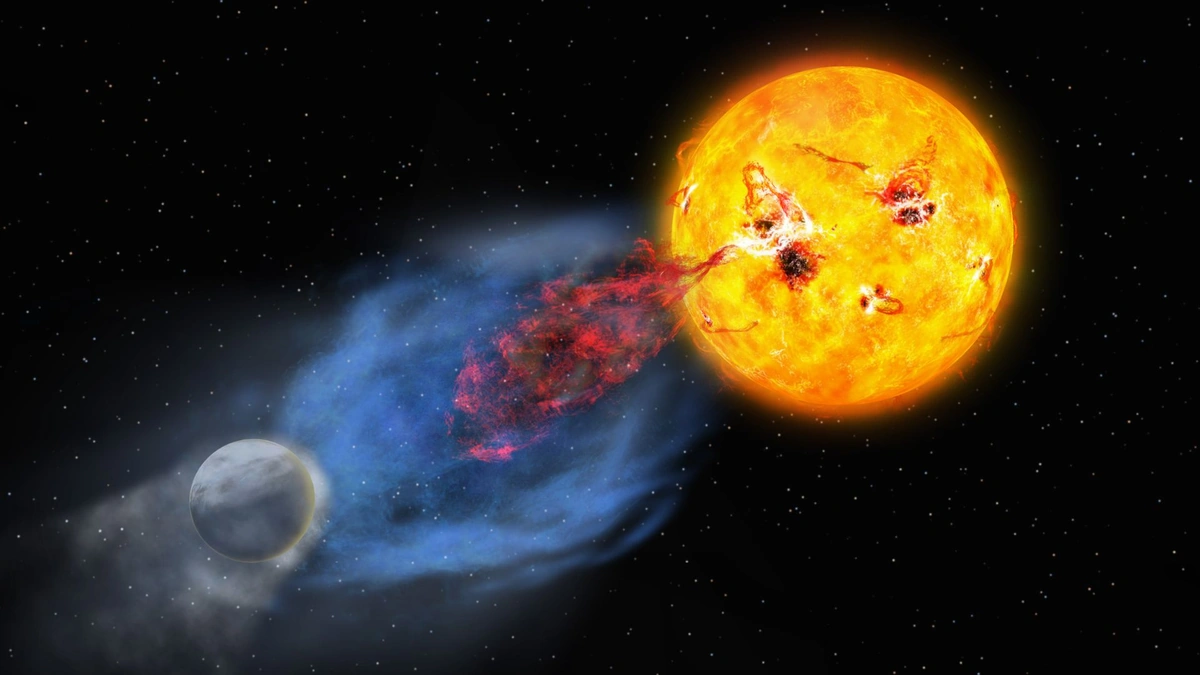
Here’s the thing: we’re increasingly dependent on technology. Satellites guide our GPS, power our communications, and even help predict the weather. Coronal mass ejections , basically gigantic explosions of plasma and magnetic field from the Sun’s corona, can mess with all of that. Think of it like this: the Sun sneezes, and Earth gets a cosmic cold. A big one. But why exactly are these solar events so disruptive? Well, when a CME slams into Earth’s magnetosphere (our protective bubble), it can cause geomagnetic storms. These storms can disrupt radio communications, damage satellites, and even induce currents in power grids, potentially leading to blackouts. Imagine your phone suddenly losing signal, your GPS going haywire, or even widespread power outages. Not a fun scenario, especially when these solar flares are classified under solar dynamics observatory .
And it isn’t just about the immediate impact. Prolonged exposure to heightened radiation levels from CMEs can also affect astronauts in space. I initially thought it was just satellites at risk, but the human element is very real. Plus, there’s the potential impact on aviation, as increased radiation levels can affect aircraft systems and pose a risk to passengers and crew at high altitudes.
How Do Coronal Mass Ejections Affect India?
Alright, let’s bring this closer to home. How do these solar flares impact India specifically? Given our rapidly growing economy and dependence on technology, we’re just as vulnerable as any other nation. A major geomagnetic storm could disrupt our communication networks, affecting everything from banking transactions to mobile services. Think about the chaos that could ensue if ATMs went down or if mobile networks were disrupted.
Plus, India’s ambitious space program, including missions like Chandrayaan and Gaganyaan, are vulnerable. Satellites are crucial for weather forecasting, disaster management, and communication. CMEs can damage these satellites, disrupting essential services. According to the Indian Space Research Organisation (ISRO) , proactive measures and space weather forecasting are critical to safeguard our space assets.
What fascinates me is the interconnectedness of it all. The power grid, the satellites overhead, the communication networks – they’re all susceptible. That’s why space weather prediction and understanding CME propagation are becoming increasingly important for India, and the world. Regular tracking of solar activity and its potential impacts is vital for mitigation.
What Can Be Done to Protect Ourselves?
So, what can we do? Are we just sitting ducks waiting for the next solar storm? Thankfully, no. Scientists are working hard on improving space weather forecasting models. These models help us predict when CMEs are likely to occur and how they might impact Earth. Early warning systems can give us valuable time to take protective measures, such as temporarily shutting down vulnerable systems or re-routing power grids. One common mistake I see people make is underestimating how much we are able to detect these events with the advanced composition explorer , or ACE for short.
For example, the Power Grid Corporation of India Limited (PGCIL) can implement strategies to mitigate the impact of geomagnetic storms on the power grid. Satellite operators can also take steps to protect their assets by putting satellites into safe mode or adjusting their orbits. And let’s be honest, on a personal level, having a backup plan for communication and power outages is always a good idea. Keep a physical map handy – remember those? – and maybe a solar-powered charger for your phone. You never know!
The Ongoing Research and Future Implications
The study of CMEs and their impact on Earth is an ongoing field of research. Scientists are constantly working to improve our understanding of these complex phenomena. According to Wikipedia , advances in space weather forecasting could significantly reduce the vulnerability of our technological infrastructure. One key area of research is understanding the relationship between solar flares and CMEs. Not all solar flares are associated with CMEs, and not all CMEs are created equal. Some are faster and more intense than others, and these are the ones that pose the greatest threat.
And, speaking of research, international collaboration is key. Space weather is a global issue, and no single country can tackle it alone. Sharing data, resources, and expertise is essential for developing effective mitigation strategies. It is worth keeping up-to-date with the space weather forecast from sources such as NOAA for the latest news.
But, it is also worth keeping an eye on space telescope nasa rescue efforts, since there are so many satellites that are in use.
Looking Ahead | A Space Weather Aware Future
So, where do we go from here? The future, I think, is one where we’re more aware of space weather and its potential impact. Just as we track weather patterns on Earth, we need to monitor the Sun and its activity. This requires continued investment in research, technology, and international collaboration. Furthermore, public awareness is crucial. People need to understand the risks associated with CMEs and what they can do to prepare. From securing critical infrastructure to educating the public, a proactive approach is essential.
Ultimately, understanding and mitigating the impact of coronal mass ejections is not just a scientific endeavor; it’s a matter of protecting our modern way of life. Let’s be prepared for the next solar sneeze – and maybe even enjoy the aurora show along the way. In the meantime, stay tuned to meteor shower forecast and other cosmic news!
FAQ
What exactly is a coronal mass ejection?
A coronal mass ejection (CME) is a large expulsion of plasma and magnetic field from the Sun’s corona. Think of it as a giant solar burp.
How often do coronal mass ejections occur?
The frequency of CMEs varies depending on the solar cycle. During periods of high solar activity, there can be several CMEs per day. During periods of low solar activity, there may be only a few per week.
Can a coronal mass ejection really cause a blackout?
Yes, a strong CME can induce currents in power grids, potentially leading to blackouts. It’s rare, but it has happened in the past.
What can I do to prepare for a geomagnetic storm?
Have a backup plan for communication and power outages. Keep a physical map handy and maybe a solar-powered charger for your phone.
Are there any warning signs before a coronal mass ejection hits Earth?
Scientists monitor the Sun constantly and can often detect CMEs heading towards Earth. Early warning systems can give us valuable time to take protective measures.
Where can I find reliable information about space weather?
You can find reliable information about space weather from sources such as NOAA, ISRO, and NASA.
About the Author