Space Moss | The Tiny Survivor's Secret!
Okay, let’s be real. We’ve all seen headlines about stuff happening on the International Space Station (ISS). But when I saw this one – moss surviving in space – I had to dig deeper. I mean, moss ? Seriously?
It’s not just some cool science experiment (although it is that). This seemingly simple study of how moss weathers the harsh realities of space has HUGE implications for, well, everything from future space colonies to understanding the very origins of life. Stick with me; this gets wild.
Why Moss? What Makes It a Space Survivor?
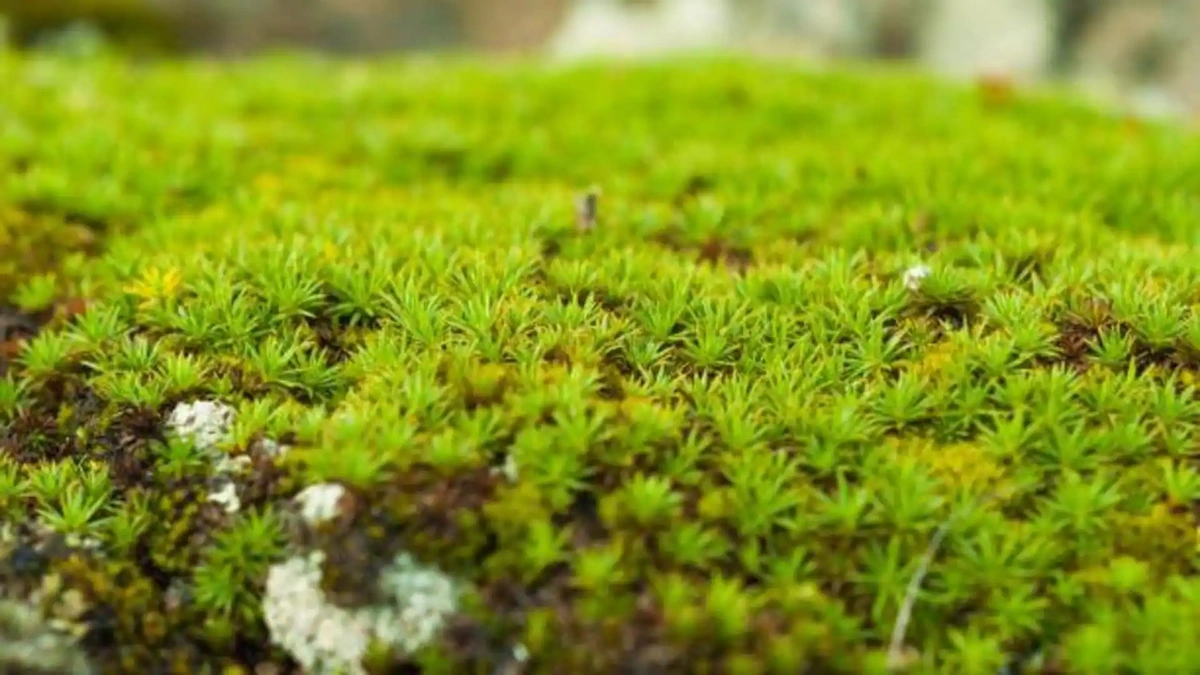
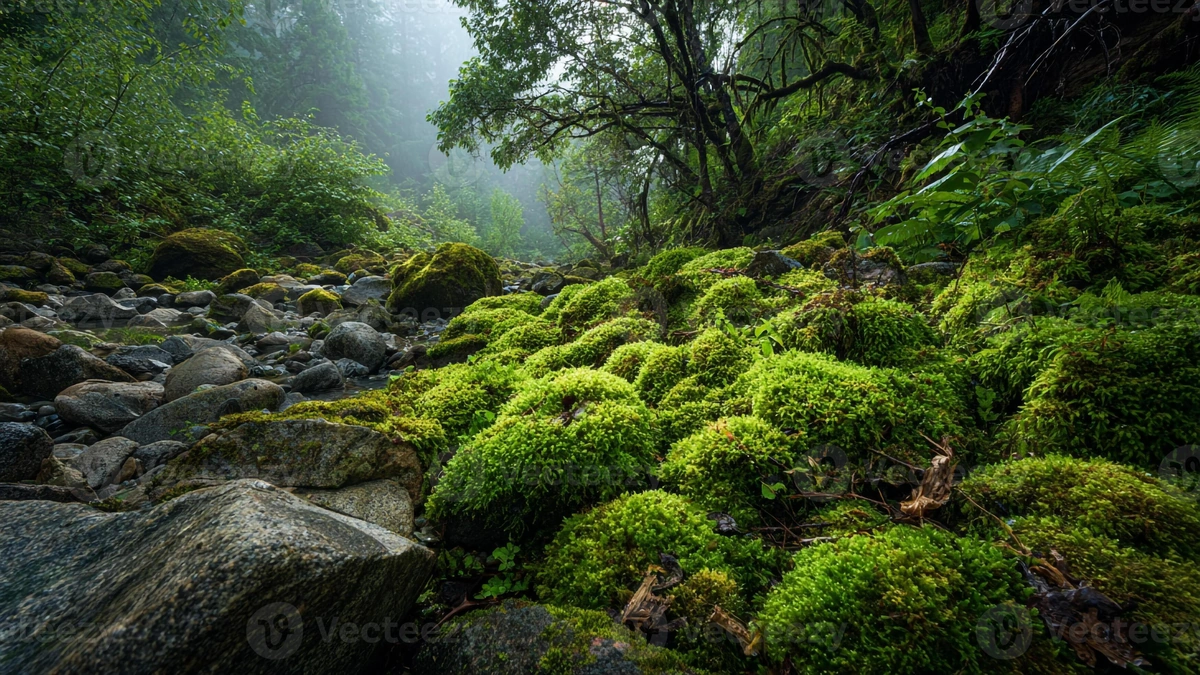
Here’s the thing: moss is a seriously underrated organism. We tramp on it, ignore it in our gardens, but it’s secretly a champion of resilience. Its ability to dry out completely (desiccation) and then revive when water is available is key. This is incredibly important when considering astrobiology . Most other plants would just… die.
Researchers sent various types of moss to the ISS to see how they’d cope with the triple threat of cosmic radiation, microgravity, and extreme temperatures. The results? Incredibly promising. Some moss species not only survived but showed signs of being able to repair DNA damage caused by the radiation. This is groundbreaking because it suggests that life can potentially withstand the extreme environments of space and even potentially flourish. What fascinates me is the potential applications for terraforming Mars or other celestial bodies. Could moss be the first step?
The Implications for Space Exploration and Beyond
So, why is this moss experiment such a big deal for space exploration ? Well, imagine this: future astronauts heading to Mars. They’ll need to grow their own food and create sustainable ecosystems. If we can figure out how moss tolerates space conditions, we can potentially use it to create soil, produce oxygen, and filter water on other planets. Moss is basically the unsung hero of potential Martian colonies.
But it doesn’t stop there. The study of moss survival in space also has implications for understanding the origins of life on Earth. Some scientists believe that life on Earth may have originated from microorganisms that arrived on meteorites from other planets. If moss can survive in space, it supports the idea that life could have been transported across the universe. Consider the concept of panspermia .
The European Space Agency (ESA) and the Future of Astrobiology
The European Space Agency (ESA) was heavily involved in this experiment, and their continued interest in astrobiology signals a serious commitment to understanding life beyond Earth. According to the ESA website , they see these kinds of experiments as crucial for long-term space missions and for answering fundamental questions about our place in the universe. One of the objectives is learning more about long-duration spaceflight .
What I find particularly compelling is how international collaborations, like this one involving moss , are driving these discoveries. It highlights how much we can achieve when we pool our resources and expertise.
What’s Next for Moss and Space Agriculture?
This moss experiment is just the beginning. Scientists are already planning future studies to investigate how other plants and microorganisms respond to space conditions. The goal is to develop sustainable space agriculture techniques that can support long-term space missions.
But, and this is a big ‘but,’ there are still many challenges to overcome. We need to figure out how to protect plants from radiation, how to create artificial gravity, and how to provide them with the nutrients they need to thrive. long-duration spaceflight poses a number of problems. And we also need to find solutions to manage the waste produced by plants in space.
Imagine entire greenhouses floating in space, providing astronauts with fresh food and oxygen. It sounds like something out of a science fiction movie, but it’s becoming increasingly possible. As per current research, the prospect of sustainable space agriculture is not out of reach.
Conclusion: Moss – A Tiny Plant With a Huge Impact
So, moss , that humble little plant, is playing a vital role in shaping our understanding of life in the universe. It’s a reminder that even the smallest organisms can have a massive impact. Who knows, maybe one day we’ll be thanking moss for helping us colonize other planets. And honestly, the thought of little patches of moss growing on Mars just makes me smile.
FAQ Section
What types of moss were sent to the ISS?
Several species were tested, each with varying degrees of resilience.
How long was the moss exposed to space conditions?
The exposure varied, but some samples were in space for months.
Could moss help with terraforming Mars?
It’s a possibility! Its resilience makes it a promising candidate.
Where can I learn more about the ESA’s astrobiology research?
Check out the ESA’s official website.
Is there any connection between this experiment and interstellar comets ?
The research on moss could help us understand the possibility of panspermia , the theory that life can spread throughout the universe via asteroids and comets.
About the Author