Winter's Secret India? You Won't Believe This!
Winter. The word itself conjures up a thousand different images, doesn’t it? For some, it’s the cozy warmth of a fireplace, a steaming mug of chai, and the comforting embrace of a heavy blanket. For others, it’s the shivers, the grey skies, and the seemingly endless wait for sunshine. But here’s the thing: winter in India is so much more complex than just a season. It’s a tapestry woven with regional variations, cultural celebrations, and a unique set of challenges and joys. This isn’t just about the weather; it’s about how winter season shapes our lives, our traditions, and even our health. It’s time to explore beyond the surface and really understand what makes winter in India so special. What fascinates me is how much our experience of winter varies across the country, and how deeply rooted some of those regional differences are.
Why Winter in India is Unlike Anywhere Else
So, why is winter in India so different? Let’s be honest, it’s not just about the temperature dropping. It’s about the why behind the drop, and what that means for daily life. A common misconception is that India is always hot. The truth is, the vast geographical diversity of India means that the winter months bring dramatically different experiences depending on where you are. In the Himalayas, you have snow-capped peaks and sub-zero temperatures. Down south, you might barely notice a difference, with pleasant, balmy days. It’s about how winter impacts agriculture, too. The winter months are crucial for the Rabi crop season, which provides a significant portion of India’s food supply. The success of this crop is heavily dependent on the winter rainfall and temperature patterns. A failed winter can have cascading effects on the economy and food security. And then there’s the cultural impact. Winter is festival season in many parts of India. Think of Lohri in the north, Pongal in the south, and Christmas celebrations across the country. Each festival has its own unique traditions and significance, but they all share a common thread: celebrating community and abundance during the colder months.
Navigating the Challenges | Staying Healthy and Safe
But, it’s not always just festive and happy. Winter also brings its own set of challenges, particularly when it comes to health. The drop in temperature can exacerbate respiratory problems like asthma and bronchitis. Air pollution, already a major concern in many Indian cities, tends to worsen during winter due to temperature inversion, trapping pollutants closer to the ground. What fascinates me is how we adapt, culturally and individually, to these challenges. Grandma’s remedies for coughs and colds suddenly become incredibly important. And the increased consumption of warming foods like ginger, turmeric, and jaggery is no accident. It’s a deeply ingrained understanding of how to support the body during the colder months. One thing you absolutely must double-check is your winter wardrobe. Make sure you have adequate protection from the cold, especially if you are traveling to colder regions. According to the latest reports from the Indian Meteorological Department,IMD website , expect a higher likelihood of dense fog in northern India. This highlights the importance of safe driving practices and staying informed about weather updates.
Celebrating the Season | Festivals and Traditions
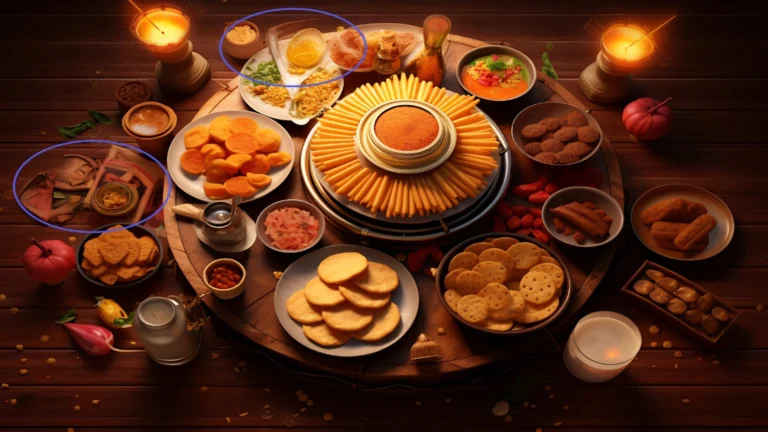
Let’s talk about the fun stuff! As mentioned before, winter in India is festival season. And these festivals are more than just colourful celebrations; they are a vital part of India’s cultural fabric. Take Lohri, for example. Celebrated primarily in Punjab, it marks the end of winter and the beginning of the harvest season. Bonfires are lit, and people gather to sing and dance, throwing sesame seeds, jaggery, and popcorn into the flames. It’s a celebration of community and gratitude for the bounty of the land. In the South, Pongal is a four-day harvest festival celebrated in Tamil Nadu. It’s a time to thank the sun god for a successful harvest and to celebrate the bond between humans and nature. Homes are decorated with colourful kolams (rice flour designs), and special dishes like Pongal rice are prepared. What I find particularly interesting is how these festivals are evolving with the times. While the traditional rituals remain important, there’s also a growing emphasis on sustainability and eco-friendly celebrations. But, you know, the core principles – community, gratitude, and hope for a prosperous future – remain unchanged.
The Economic Impact of a Cold Snap
Winter also has a significant impact on India’s economy. The tourism industry, for example, sees a boom during the winter months , particularly in hill stations and coastal areas. People flock to these destinations to escape the heat and enjoy the pleasant weather. The agricultural sector, as mentioned earlier, is heavily reliant on the winter rains and temperatures. A good winter can lead to a bumper crop and boost the rural economy. But, here’s the thing: climate change is disrupting these traditional patterns. Erratic rainfall, extreme cold waves, and unseasonal temperature fluctuations are becoming increasingly common, posing a threat to both agriculture and tourism. According to recent reports, the World Bank is supporting initiatives to help Indian farmers adapt to climate change and build resilience to extreme weather events. It’s a reminder that we need to take climate action seriously to protect the livelihoods and well-being of millions of people.
Preparing for Winter | A Practical Guide
So, how do you prepare for winter in India? Here’s a quick and practical guide: Firstly, adjust your wardrobe. Invest in warm clothing, including sweaters, jackets, shawls, and thermal wear. Secondly, take care of your health. Eat a balanced diet, stay hydrated, and get enough sleep. Consider taking supplements like vitamin D, especially if you live in a region with limited sunlight. Thirdly, be mindful of air pollution. Wear a mask when you go out, and avoid strenuous activities during peak pollution hours. Fourthly, plan your travel carefully. Check the weather forecast before you travel, and be prepared for delays due to fog or snow. Finally, embrace the season! Winter is a time for cozy gatherings, delicious food, and festive celebrations. Make the most of it! After all, the seasons are like the threads that weave through our lives, and they shape the rhythm of our days, like in perseverance mars lightning .
FAQ Section
Frequently Asked Questions about Winter Greetings
What are some common winter illnesses in India?
Common winter illnesses include coughs, colds, flu, bronchitis, and asthma. Take necessary precautions like wearing warm clothes and maintaining hygiene.
How can I protect myself from air pollution during winter?
Wear a mask when going outdoors, avoid strenuous activities during peak pollution hours, and consider using air purifiers indoors.
What are some popular winter festivals in India?
Popular winter festivals include Lohri, Pongal, Makar Sankranti, and Christmas.
What should I pack when travelling to a hill station in winter?
Pack warm clothing, including sweaters, jackets, thermal wear, gloves, hats, and scarves. Also, carry appropriate footwear for walking on snow and ice, especially for folks interested in adventures .
How does winter affect agriculture in India?
Winter is crucial for the Rabi crop season. The success of this crop depends on the winter rainfall and temperature patterns.
What are some traditional Indian foods to eat during winter?
Traditional Indian foods to eat during winter include ginger, turmeric, jaggery, sesame seeds, and warming soups and stews.
So, as you wrap yourself in that warm blanket and sip your chai this winter , remember that you are part of a much larger story. A story that connects you to the land, to your community, and to generations of Indians who have found ways to not just survive, but thrive, during the colder months. And that, my friend, is something truly special.
About the Author