Comet Nucleus | Hidden Secrets Revealed!
Okay, let’s talk comets – specifically, the 3I/ATLAS comet. But before we dive into that celestial snowball, we need to understand a fundamental concept: the nucleus . Think of the nucleus as the heart of the comet, the solid, icy core that holds everything together. And what fascinates me is how understanding the nucleus helps us understand, well, everything else about these cosmic wanderers. What makes up the nucleus? And how does the sun affect it as the comet gets closer?
The Comet Nucleus | An Icy Heart
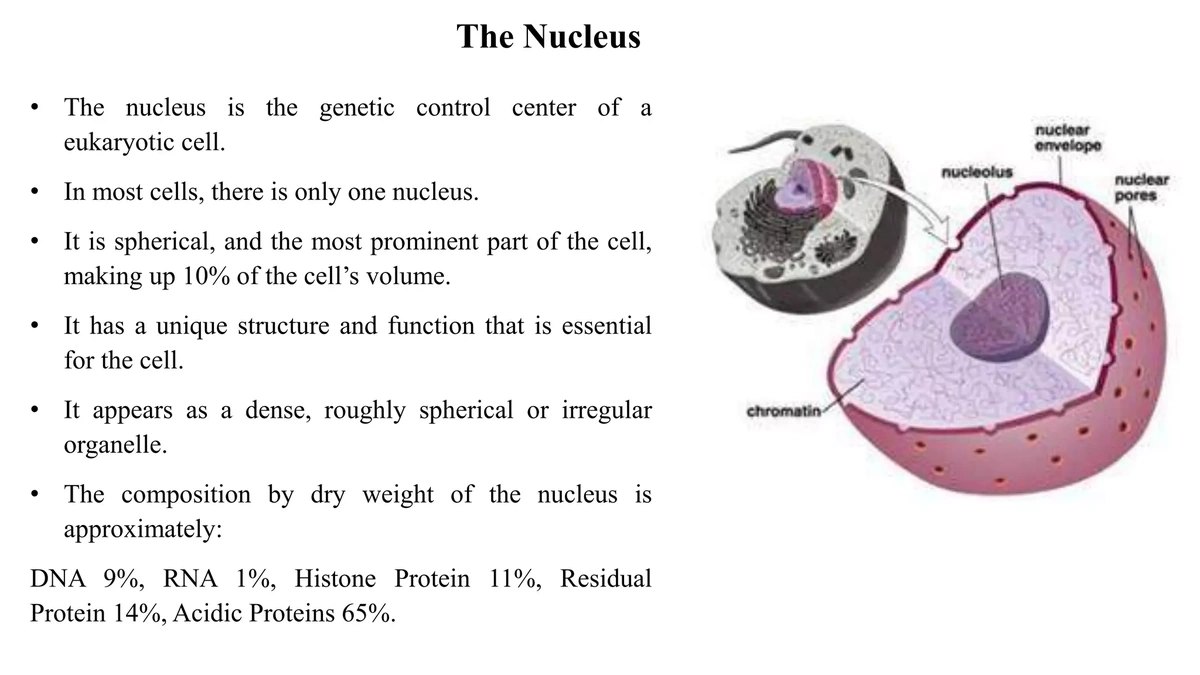
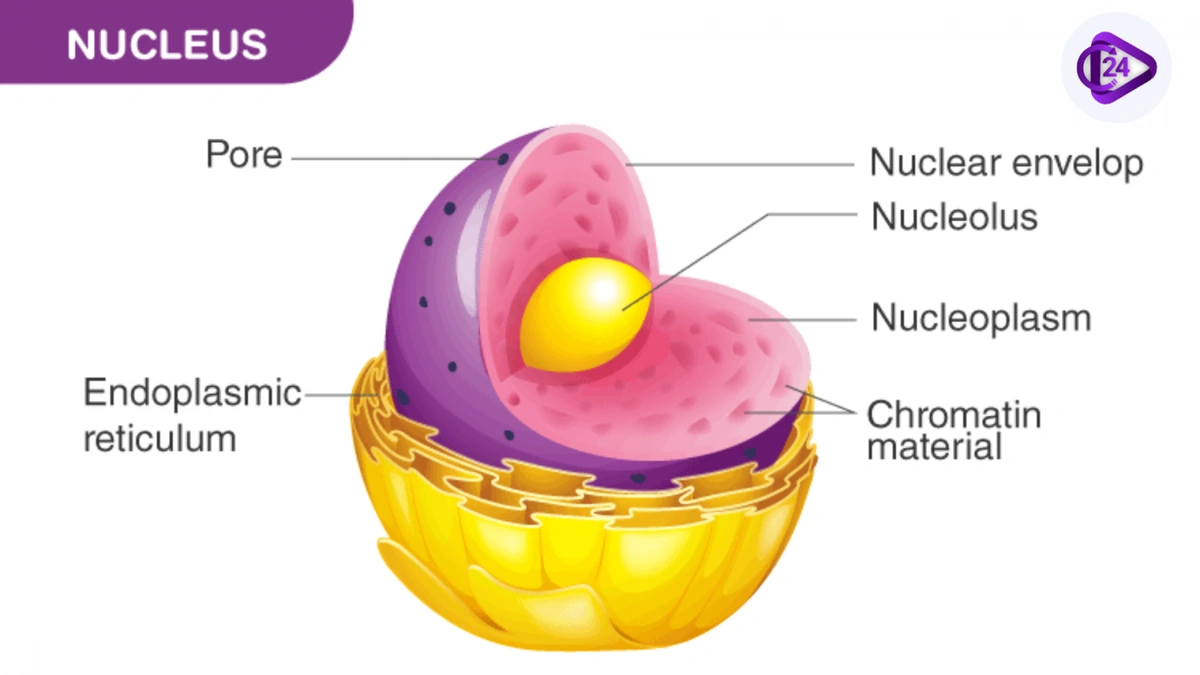
The comet nucleus isn’t just a simple ball of ice. It’s a complex mixture of ice (mostly water ice, but also other frozen compounds like carbon dioxide, carbon monoxide, and methane), dust, and rocky particles. Think of it like a dirty snowball – very, very dirty. According to NASA , the size of a comet nucleus can vary wildly, from a few hundred meters to tens of kilometers across. Here’s the thing: this relatively small, solid body is responsible for all the spectacular phenomena we associate with comets – the coma (the fuzzy atmosphere around the nucleus) and the tail.
But what’s the composition of this icy heart? I initially thought it was just frozen water, but then I realized it’s much more complex. The ice binds together dust grains and even organic molecules, creating a primordial soup of sorts. This composition gives astronomers valuable clues about the early solar system, as comets are essentially leftovers from its formation. So, studying the nucleus is like studying a time capsule from billions of years ago.
How the Sun Transforms the Comet’s Nucleus
Now, for the really interesting part: what happens when a comet, like 3I/ATLAS, approaches the Sun? As the comet gets closer, the increasing solar radiation heats the nucleus. This causes the ice to sublimate – that is, turn directly from a solid into a gas. This process releases gas and dust, forming the coma and the tail that make comets so visible and striking. It is a fascinating process.
The nucleus itself changes dramatically. A layer of dust and non-volatile material can build up on the surface, forming a crust that insulates the remaining ice. This crust can affect the rate of sublimation, leading to unpredictable outbursts of gas and dust. The dust also helps reflect sunlight which is a pretty sight. A common mistake I see people make is thinking that comets are always bright and easily visible. In reality, many comets remain faint and unremarkable, especially if their comet nucleus is small or heavily crusted.
3I/ATLAS | A Special Interstellar Visitor
3I/ATLAS is an interstellar comet, meaning it originated from outside our solar system. This makes it particularly interesting to scientists, as it provides a rare opportunity to study material from another star system. The “3I” designation indicates that it was the third interstellar object discovered. Its official name is C/2019 Q4 (Borisov). But why is it relevant to understanding the function of the nucleus ?
The behavior of 3I/ATLAS as it approached the Sun gave scientists insights into the composition and structure of its nucleus. By observing the rate at which it released gas and dust, and the composition of those materials, astronomers could infer what the nucleus was made of and how it was formed. Understanding the nucleus of an interstellar comet helps us understand the diversity of planetary systems beyond our own. It’s like comparing apples and oranges – but on a cosmic scale. You can read about other interstellar objects here .
Why Does Studying Comet Nuclei Matter?
So, why should we care about these icy dirtballs and their nuclei? Well, for starters, comets played a crucial role in the early history of our solar system. They may have delivered water and organic molecules to Earth, contributing to the origin of life. By studying the composition of comet nuclei, we can learn more about the building blocks of planets and the conditions that led to the emergence of life. Let me rephrase that for clarity: comets are like frozen snapshots of the early solar system, offering valuable clues about its past.
And it’s not just about the past. Comets also pose a potential threat to Earth. While the chances of a major impact are small, they’re not zero. Understanding the structure and behavior of comet nuclei is essential for developing strategies to mitigate the risk of a future impact. So, studying comets isn’t just an academic exercise – it’s a matter of planetary defense. But, if you are anything like me, studying comets is also just purely fascinating!
Unlocking Secrets with Advanced Technology
The study of comet nuclei is constantly evolving, thanks to advances in technology. Space missions like Rosetta, which orbited comet 67P/Churyumov-Gerasimenko, have provided unprecedented close-up views of a comet nucleus, revealing its complex structure and composition. These missions have also deployed landers to the surface of comets, allowing scientists to directly analyze the material. According to the European Space Agency , data from these missions is revolutionizing our understanding of comets.
Future missions will undoubtedly provide even more detailed insights. Proposed missions include sending probes to even more comets and asteroids, and even attempting to capture and return samples of cometary material to Earth for detailed analysis in laboratories. What fascinates me is the prospect of unraveling the mysteries of the solar system, one comet nucleus at a time. And it all comes down to the composition of the nucleus and its relationship with the Sun.
FAQ About Comet Nuclei
Frequently Asked Questions
What exactly is the nucleus made of?
Primarily ice (water, CO2, etc.), dust, and rocky particles. A ‘dirty snowball’ as scientists often call it.
How big are comet nuclei?
They range from a few hundred meters to tens of kilometers in diameter.
Why do comets have tails?
The tails form when solar radiation heats the nucleus, causing ice to sublimate and release gas and dust. NASA has more information on this.
Are comets dangerous to Earth?
While the risk of a major impact is low, it’s not zero, so scientists study them carefully.
How are scientists studying comets now?
Through space missions like Rosetta and future missions that will send probes and potentially return samples.
What can we learn from interstellar comets like 3I/ATLAS?
They provide insights into the composition and conditions of other star systems.
In conclusion, the nucleus of a comet, whether it’s a regular visitor from our solar system or an interstellar traveler like 3I/ATLAS, is more than just a frozen chunk of ice and dust. It’s a key to understanding the origins of our solar system, the potential for life beyond Earth, and the risks we face in the cosmos. As technology advances, we’ll continue to unlock the secrets hidden within these icy hearts, revealing even more about our place in the universe. And that’s a pretty exciting thought. This is closely related to the question of water on other planets .
About the Author