Stargazing Secrets | December 2025's Best!
Alright, folks, gather ’round! Let’s talk about something truly awe-inspiring – stargazing . But not just any stargazing. We’re diving deep into December 2025, a month that promises a celestial spectacle you absolutely don’t want to miss. I initially thought this would be a simple list of events, but then I realized – you need more than just dates. You need the why, the how, and the sheer, unadulterated wonder of it all. So, buckle up; we’re going on a cosmic adventure!
Why December 2025 is Special for Stargazers
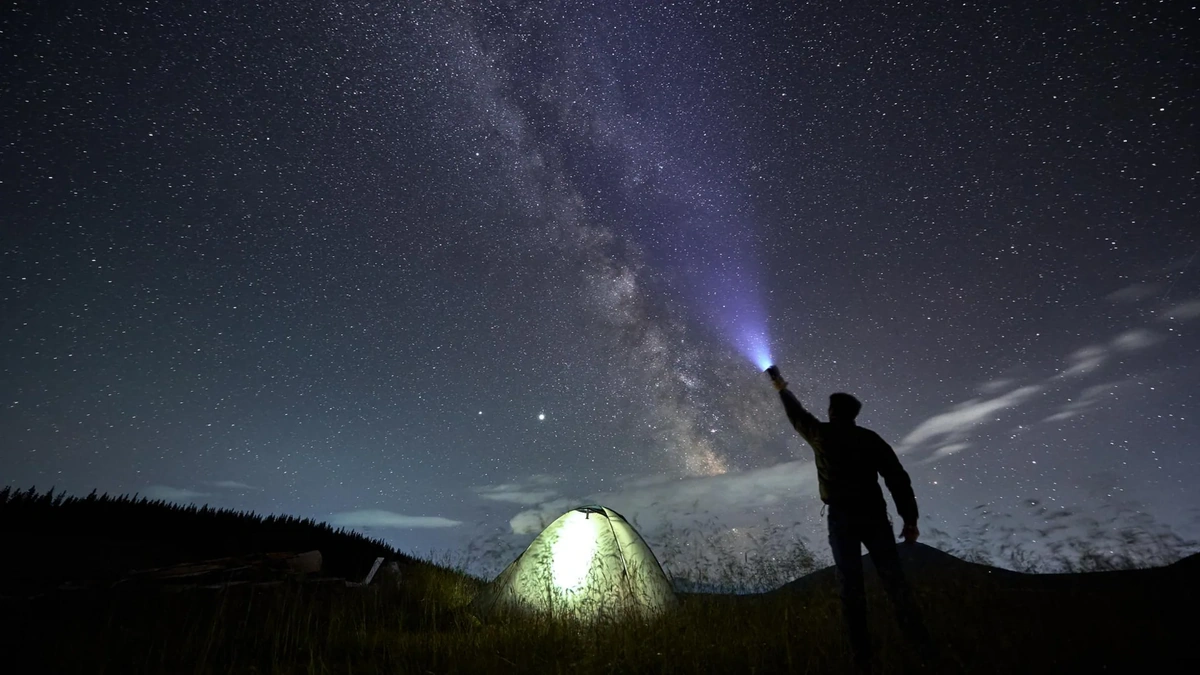
Here’s the thing: December nights are already magical, right? Crisp air, the scent of winter in the breeze, and a sky that seems to stretch on forever. But December 2025? It’s taking that magic and cranking it up to eleven. The reason? A confluence of events is happening all at once.
First, we’re talking about peak viewing season for several major meteor showers. Think of it as nature’s own fireworks display, but instead of loud bangs, you get silent streaks of light painting the inky canvas above. Second, the planets are putting on a show! Jupiter and Saturn will be particularly brilliant, offering incredible views through even a small telescope. Speaking of which, now’s the time to start looking at local astronomy clubs.
But why does this matter? Because in our increasingly chaotic world, taking a moment to look up – to connect with something so vast and ancient – can be profoundly grounding. It’s a reminder that we’re part of something bigger, something truly magnificent. That moment of wonder, that feeling of insignificance coupled with the joy of discovery – that’s what astronomy events like these offer.
How to Prepare for Your Stargazing Adventure
Okay, you’re excited! Awesome. Now, let’s get practical. Stargazing isn’t just about stepping outside and hoping for the best. It’s about preparation, planning, and a little bit of know-how. A common mistake I see people make is thinking you need expensive equipment. Nope! Your eyes are the best tool you have, but a few additions can elevate your experience.
1. Location, Location, Location: Get away from city lights. Seriously. Light pollution is the enemy. Find a dark spot – a rural area, a mountaintop, even a large park outside the city can work. Use alight pollution map to find the darkest areas near you.
2. Gear Up (But Keep it Simple): Binoculars are fantastic. Even a basic pair will reveal details you can’t see with the naked eye. A comfortable chair or blanket is essential. And don’t forget warm clothes! December nights can be brutally cold. Also a thermos of hot chai never hurts!
3. Learn the Sky: Download a stargazing app on your phone. These apps use your location to show you exactly what’s in the sky above you – constellations, planets, and even satellites. SkyView Lite (free) and Star Walk 2 are popular choices.
4. Timing is Everything: Check the weather forecast! Clear skies are a must. Also, be aware of the moon phase. A full moon can wash out fainter objects. The new moon is your best friend for night sky observation . You can also check outthe movement of different planets.
What to Look For in December 2025 | The Main Attractions
So, what specific events should you mark on your calendar? Here are a few highlights:
1. Geminid Meteor Shower: Peak activity is usually around December 13-14. The Geminids are known for their bright, colorful meteors. You might see dozens per hour under dark skies. It’s one of the most reliable and spectacular showers of the year.
2. Ursid Meteor Shower: This shower peaks around December 22. It’s not as intense as the Geminids, but it still offers a chance to see some shooting stars.
3. Planetary Alignment: Keep an eye on Jupiter and Saturn. They’ll be prominent in the evening sky, and you might even be able to spot some of their moons with binoculars. Look for them low in the southwest after sunset.
4. Winter Solstice: December 21 marks the winter solstice – the shortest day of the year. Celebrate by staying up late and marveling at the stars!
The Emotional Connection | Why Stargazing Matters to Us
Let’s be honest – life can be stressful. We’re constantly bombarded with information, deadlines, and demands. Stargazing offers a respite from all of that. It’s a chance to disconnect from the digital world and reconnect with something real, something ancient, something profoundly beautiful.
That moment when you first spot a meteor streak across the sky? That feeling of awe and wonder? It’s good for the soul. It reminds us that we’re part of something bigger than ourselves. It inspires us to ask questions, to explore, and to dream.Think about how comets travel, imagine their journeys across vast distances, think of the potential for life beyond Earth. That is where the magic truly lives.
And that, my friends, is why stargazing matters. It’s not just about knowing the constellations or identifying planets. It’s about experiencing the universe, connecting with it on a personal level, and finding a sense of peace and wonder in the process.
Advanced Stargazing Techniques for December 2025
Ready to take your stellar observation to the next level? Great! Here are a few advanced tips to enhance your December 2025 stargazing experience:
1. Astrophotography: If you have a DSLR camera and a tripod, try taking some pictures of the night sky. Even simple shots can capture the beauty of the stars. Experiment with long exposures to capture faint objects. There are many great tutorials online to get you started.
2. Deep-Sky Objects: Use a telescope to explore deep-sky objects like galaxies, nebulae, and star clusters. These objects are faint and require a telescope to see clearly, but they’re incredibly rewarding to observe. The Andromeda Galaxy (M31) is a great target for beginners.
3. Join a Star Party: Connect with other stargazers by attending a star party. These events are organized by astronomy clubs and offer a chance to learn from experienced observers and use their telescopes. It’s a great way to expand your knowledge and meet like-minded people.
4. Learn Constellation Stories: Each constellation has its own story and mythology. Learning these stories can add another layer of enjoyment to your stargazing experience. Use a guidebook or online resource to learn the myths behind the constellations.
FAQ | Your Stargazing Questions Answered
Frequently Asked Questions
What if the weather is bad?
Unfortunately, there’s not much you can do about bad weather except wait for a clear night. Check the forecast regularly and be prepared to reschedule your stargazing session.
Do I need a telescope?
No, you don’t need a telescope, but it can definitely enhance your experience. Binoculars are a good starting point, and a small telescope can reveal even more details. Consider your budget and interest level before investing in a telescope.
What should I wear?
Warm clothes are essential, especially in December. Dress in layers and bring a hat, gloves, and scarf. Even if the temperature seems mild, it can get cold quickly when you’re standing still for a long time.
How can I find dark skies?
Use a light pollution map to find the darkest areas near you. Look for areas that are far away from city lights.
Is it safe to go stargazing alone?
It’s always a good idea to go with a friend or group. If you’re going alone, let someone know where you’re going and when you expect to be back.
So, there you have it! December 2025 is shaping up to be an incredible month for stargazing. With a little preparation and planning, you can witness some truly spectacular celestial events. Get out there, look up, and let the universe fill you with wonder. You won’t regret it!
About the Author