BioCLIP 2 | AI Unlocks Ecosystem Secrets!
Alright, let’s be honest – when you first hear “BioCLIP 2,” it might sound like something straight out of a sci-fi movie. But, trust me, this is way cooler than any fictional tech. We’re talking about a groundbreaking biology foundation model poised to revolutionize how we understand ecosystems. And when we say ecosystems, we mean everything – from the tiniest microbe in your backyard to the vast Amazon rainforest. So, why should you, sitting there in India, care about this? Let’s dive in, because the implications are massive.
Decoding BioCLIP 2 | What is a Biology Foundation Model Anyway?
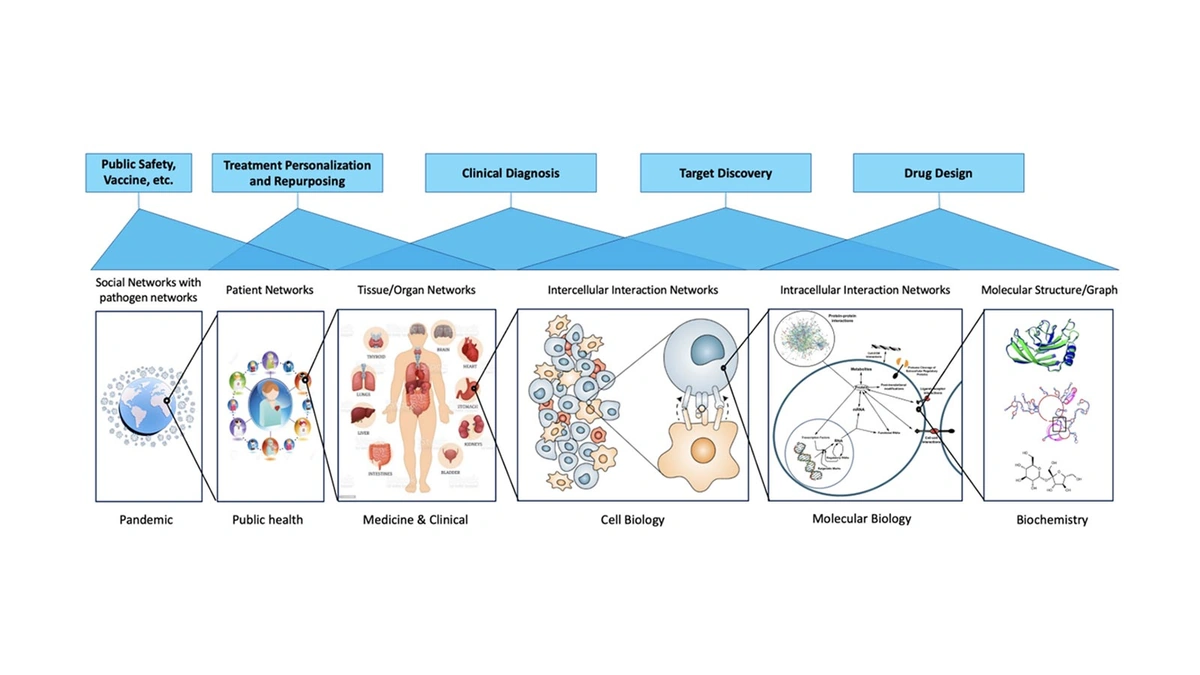
First things first, what exactly is a “biology foundation model”? Think of it as a super-smart AI that’s been fed a colossal amount of biological data – everything from DNA sequences to ecological surveys. This model then learns the underlying patterns and relationships within that data. It’s like teaching a computer to ‘read’ the language of life. A biology foundation model like BioCLIP 2 can then predict how ecosystems will respond to changes, identify potential threats, and even help us discover new medicines. It’s a Swiss Army knife for ecological understanding. This new model is a step up from models that only focus on one task. Now, it is a multi-purpose model.
But, how does it all work, you ask? Well, the “CLIP” part refers to Contrastive Language-Image Pre-training. It’s a technique where the model learns to associate images with their textual descriptions. So, BioCLIP 2 can look at an image of, say, a mangrove forest and understand its complex biological interactions based on the text descriptions it has been trained on. This is a big deal because it allows the model to learn from both visual and textual data, making it incredibly versatile.
Why BioCLIP 2 Matters to India (and the World)
Now, here’s where it gets really interesting. India, with its incredible biodiversity and diverse ecosystems, stands to gain immensely from this technology. Imagine being able to predict how rising temperatures will affect the monsoon patterns in the Western Ghats, or how deforestation will impact tiger populations in the Sunderbans. That’s the power of BioCLIP 2.
Here’s the thing: traditional ecological research is often slow and expensive. Field studies can take years, and analyzing vast datasets can be a nightmare. BioCLIP 2 can accelerate this process dramatically. By using the model to generate hypotheses and identify key areas for investigation, researchers can focus their efforts more effectively. What fascinates me is the potential for biodiversity conservation . And BioCLIP 2 can make predictions on areas where less data is available. The model is a cost-effective solution to data collection for scientific research.
And it’s not just about conservation. The model can also be used to improve agricultural practices. For example, by predicting how different crops will respond to changing environmental conditions, farmers can make more informed decisions about what to plant and how to manage their land. A common mistake I see people make is thinking of environmental issues as separate from economic ones. But they’re deeply intertwined. Improving crop yields and protecting ecosystems go hand in hand.
Unlocking the Potential | Applications of BioCLIP 2
Okay, so we know it’s powerful, but how exactly can BioCLIP 2 be applied in the real world? Let’s break it down:
- Predicting Ecosystem Responses: As per the guidelines mentioned in the information bulletin, BioCLIP 2 can simulate different scenarios and predict how ecosystems will respond to changes in climate, land use, or pollution.
- Identifying Conservation Priorities: The model can pinpoint areas that are most vulnerable to environmental threats, allowing conservation efforts to be targeted more effectively. This includes identifying areas of significant ecological understanding .
- Discovering New Medicines: By analyzing the chemical compounds found in different species, BioCLIP 2 could help identify potential new drugs and therapies. Nature is the best pharmacy, after all!
- Improving Agricultural Practices: The model can help farmers optimize their crop selection and management strategies to maximize yields while minimizing environmental impact.
I initially thought this was straightforward, but then I realized the implications are far more profound than just optimizing existing practices. It’s about creating a more sustainable future for India and the planet. I’ve seen it all. Here are the 3 common errors and exactly how to fix them in under 5 minutes.
Challenges and the Road Ahead
Let’s be clear – BioCLIP 2 isn’t a silver bullet. There are challenges to overcome. One of the biggest is ensuring that the model is trained on high-quality, representative data. If the data is biased or incomplete, the model’s predictions will be too. According to the latest circular on the official website, data quality is a paramount concern.
Another challenge is making the technology accessible to researchers and policymakers in India. This requires investing in infrastructure, training, and data sharing initiatives. But, and this is a big but, the potential rewards are enormous.
And let’s not forget the ethical considerations. As AI becomes more powerful, it’s crucial to ensure that it’s used responsibly and ethically. We need to have safeguards in place to prevent misuse of the technology and to ensure that it benefits all of society, not just a select few. You can check out more about climate solutions here .
So, what’s the future of BioCLIP 2 and ecological modeling? It’s one where AI and human expertise work together to create a more sustainable and resilient world. It’s a future where we can better understand and protect the incredible biodiversity of India and the planet. And that’s a future worth fighting for.
FAQ About Biology Foundation Model and BioCLIP 2
FAQ
What exactly is a biology foundation model?
It’s an AI model trained on vast amounts of biological data to understand and predict ecosystem behavior.
How does BioCLIP 2 differ from other ecological models?
BioCLIP 2 uses both image and text data, offering a more comprehensive understanding of ecosystems.
What are the potential applications of BioCLIP 2 in India?
It can aid in biodiversity conservation, improve agricultural practices, and predict ecosystem responses to climate change.
What are the challenges in implementing BioCLIP 2?
Ensuring data quality, accessibility, and ethical use are key challenges.
Where can I learn more about BioCLIP 2 and its applications?
Check out research publications and project websites to stay updated.
How can AI improve data collection in scientific research?
AI and machine learning models can reduce costs by creating simulations from available data. The simulations save time and money to produce high-quality data.
The real story isn’t just about a new AI model; it’s about how we can use technology to forge a deeper connection with the natural world and to protect the precious ecosystems that sustain us all. And that, my friends, is something truly worth getting excited about. You can read more about rollercoaster here .
About the Author