Solar Storm Alert | Satellites at Risk!
Okay, folks, let’s be honest – when you hear about a solar storm , does your mind immediately jump to images of apocalyptic scenarios ripped straight from a Hollywood blockbuster? Probably. But here’s the thing: while a major solar flare can definitely mess with our tech, the reality is usually a tad more nuanced. This recent geomagnetic disturbance , though powerful enough to impact satellites, is more of a cosmic nudge than a knockout punch. But why should you, sitting comfortably in your home in India, even care? Let’s dive in.
Why This Solar Storm Matters – More Than Just Pretty Lights
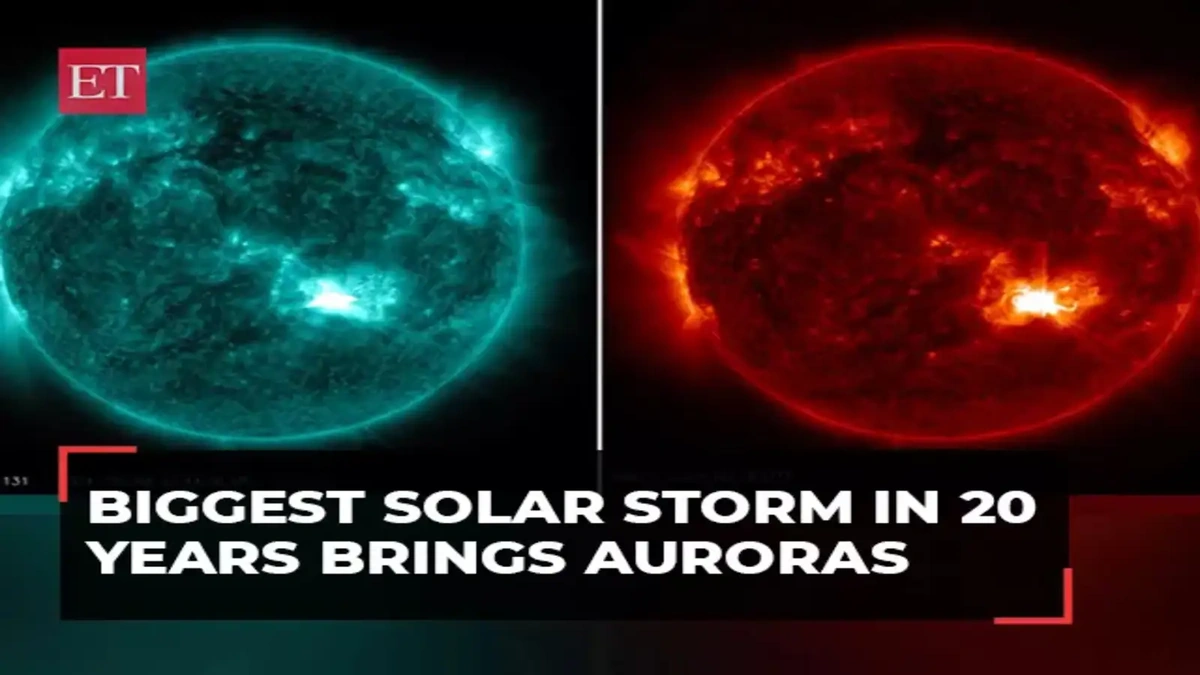
So, why does a “cosmic nudge” warrant attention? Think about it this way: our modern life is ridiculously dependent on satellites. From your Google Maps guiding you through Bengaluru traffic to the precise weather forecasts predicting the monsoon’s arrival, satellites are the unsung heroes. A powerful solar storm , like the one we just experienced, throws a wrench into their operations. And that’s not just a problem for NASA or ISRO .
Here’s the kicker: these storms can disrupt communication signals, potentially affecting everything from air travel to online transactions. According to spaceweather.com , a significant geomagnetic storm can induce electrical currents in the Earth’s crust, which can, in turn, mess with power grids and pipelines. While a direct hit is rare, the risk is always there. What fascinates me is how interconnected our lives are with these celestial events. We often think of space as “out there,” but it’s constantly influencing what happens right here on Earth.
And don’t forget the science! These events provide valuable data for scientists studying the sun’s activity and its impact on our planet’s magnetosphere. Each storm is a learning opportunity, helping us better predict and prepare for future events. This also impacts the ionosphere. NOAA’s Space Weather Prediction Center monitors these events closely, providing forecasts and warnings to various industries and governments.
How Solar Storms Actually Affect Satellites – It’s Not Always What You Think
Now, let’s get into the nitty-gritty of how these solar events actually impact satellites. It’s not like they suddenly explode, as depicted in movies. The primary issue is increased atmospheric drag. When a solar storm hits, it heats up the Earth’s upper atmosphere, causing it to expand. This expansion increases the drag on satellites, slowing them down and potentially altering their orbits.
Think of it like this: imagine throwing a ball in still air versus throwing it into a strong headwind. The headwind (increased drag) will slow the ball down and change its trajectory. Satellites need to constantly adjust their position to counteract this drag. During a significant solar storm , the drag increases dramatically, requiring more frequent and larger adjustments. If the satellite runs out of fuel for these adjustments, it can lose its orbit and become space junk.
Also, solar flares and coronal mass ejections (CMEs) release high-energy particles that can damage the sensitive electronics on satellites. These particles can cause temporary glitches or, in severe cases, permanent failures. It’s like a power surge frying your computer – only on a much grander scale. So, while the satellites themselves may not be visibly “bruised,” their performance and lifespan can definitely be affected.
The Indian Perspective – Why We Need to Pay Attention
India’s growing reliance on space-based technology makes understanding and preparing for solar storms particularly important. With increasing investments in satellite communication, navigation (like the Indian Regional Navigation Satellite System – IRNSS), and Earth observation, the potential impact of these storms is only going to increase. As a country, we are more dependent than ever on uninterrupted satellite functionality .
Consider the agricultural sector, which relies heavily on weather forecasts and satellite imagery for crop monitoring. Disruptions to these services could have significant economic consequences. Similarly, the financial sector depends on precise timing signals from satellites for secure transactions. A major solar event could potentially disrupt these critical systems. That’s why ISRO (Indian Space Research Organisation) plays a vital role in monitoring space weather conditions and developing strategies to mitigate the impact of these storms on Indian satellites and infrastructure.
But, here’s the thing, it is not all doom and gloom. We, as a nation, are investing in improved space weather forecasting capabilities. This helps to minimize satellite disruption . It includes developing more resilient satellite designs and implementing operational procedures to protect our space assets during these events. It’s a proactive approach that demonstrates India’s commitment to safeguarding its space infrastructure and ensuring the continued availability of essential services.
Practical Steps You Can Take (Yes, You!)
Okay, so you might be thinking, “What can I possibly do about a solar storm ?” Well, you might not be able to control the sun, but you can definitely be more informed and prepared. And remember to keep checking reliable sites for solar activity updates .
First, stay informed about potential disruptions to communication and navigation systems. If you’re planning a trip, especially to remote areas, be aware that satellite-based communication might be unreliable during a geomagnetic disturbance . Consider having backup communication methods, such as a satellite phone or a traditional radio. A common mistake I see people make is to assume that GPS will always work flawlessly. It’s good to have a backup plan!
Second, be mindful of potential disruptions to power grids. While the risk of a widespread blackout is low, it’s always a good idea to have a basic emergency kit with essential supplies like water, food, and a flashlight. And third, support efforts to improve space weather forecasting and satellite protection. Advocate for increased funding for scientific research and the development of more resilient space infrastructure. Your voice matters!
FAQ About Solar Storms and Their Impact
What exactly is a solar storm?
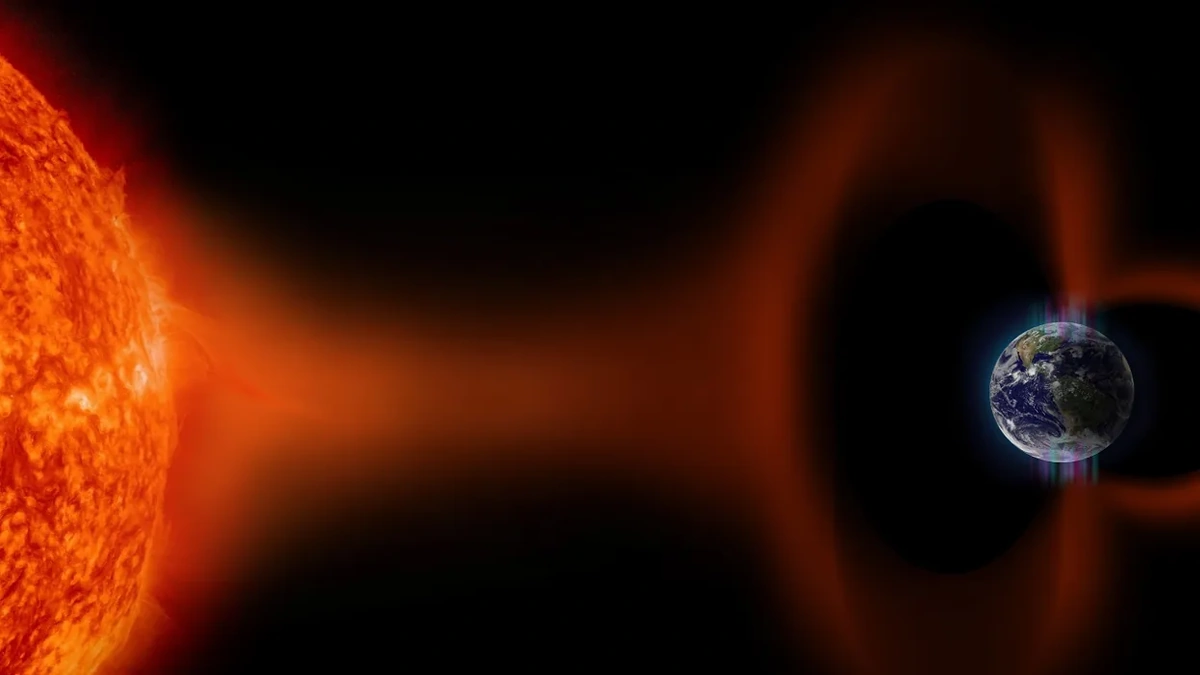
A solar storm is a disturbance on the Sun, which can include solar flares, coronal mass ejections (CMEs), and high-speed solar wind streams, which can impact Earth’s magnetosphere.
How often do these solar storms occur?
The frequency of solar storms varies depending on the Sun’s activity cycle, which lasts approximately 11 years. During the peak of the cycle, storms are more frequent and intense.
Can a solar storm really cause a widespread blackout?
While it’s possible, it’s not very likely. A very intense solar flare could overload power grids, but utility companies take precautions, and the risk is relatively low.
What are coronal mass ejections (CMEs)?
CMEs are large expulsions of plasma and magnetic field from the Sun’s corona. When directed towards Earth, they can cause geomagnetic storms .
Are there any benefits to solar storms?
Besides the science, not really for us on Earth. However, they can create beautiful auroras (Northern and Southern Lights), though these are rarely visible in India.
What can governments do to protect against solar storms?
Governments can invest in space weather forecasting, develop resilient infrastructure, and coordinate with international agencies to monitor and prepare for these events.
So, the next time you hear about a solar storm , don’t panic. Instead, see it as a reminder of the interconnectedness of our world and the importance of understanding and preparing for the challenges – and opportunities – that space presents. It is essential to monitor the sun’s behavior . And hey, maybe take a moment to appreciate the satellites that make your life a little easier every day. They are working tirelessly, even when the sun throws a cosmic tantrum.
About the Author