Oldest Trees | Secrets of Earth's Ancient Giants
Imagine standing before a living being that sprouted long before the Taj Mahal was even a twinkle in Shah Jahan’s eye. We’re talking about ancient trees, the silent sentinels of our planet. These aren’t just old trees; they’re living libraries, holding secrets about climate shifts, geological events, and the very history of our Earth. What fascinates me is how these oldest trees , like Methuselah and the Millennial Larch, continue to defy the odds, clinging to life through millennia.
Why Ancient Trees Matter in Today’s World
Here’s the thing: these ancient trees aren’t just pretty faces (or, well, pretty bark). They’re vital to understanding our planet’s past and predicting its future. Their rings tell tales of droughts, volcanic eruptions, and even periods of intense solar activity. Think of them as nature’s hard drives, storing data that scientists can use to reconstruct past climates and model future scenarios. But why does this matter to someone in India, you ask? It’s simple. India, with its diverse ecosystems and reliance on monsoon patterns, is highly vulnerable to climate change. Understanding past climate variability is crucial for building resilience and adapting to future challenges. These long-lived trees act as climate proxies, offering data that supplements traditional meteorological records. What I initially thought was just a story about really old trees became a realization of their crucial scientific importance.
The implications are profound. By studying the isotopic composition of the wood in these trees, scientists can reconstruct past temperature and precipitation patterns with remarkable accuracy. This information can then be used to validate climate models and improve our ability to predict future climate change impacts in regions like India, where agriculture and water resources are highly sensitive to climate variability. These old trees also play a vital role in maintaining biodiversity. The gnarled branches and decaying wood provide habitats for countless species of insects, fungi, and other organisms. Protecting these trees is, therefore, essential for preserving the ecological integrity of the forests they inhabit. The preservation of such ancient forests is a key aspect.
Methuselah | A Bristlecone Pine’s Enduring Legacy
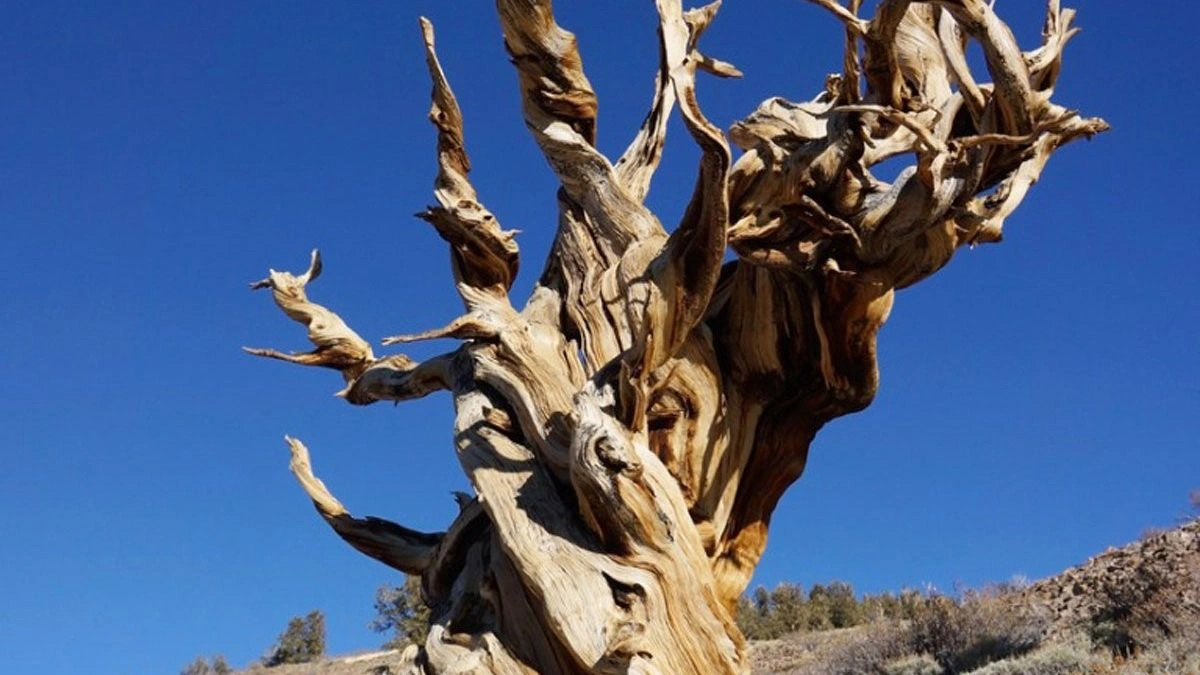
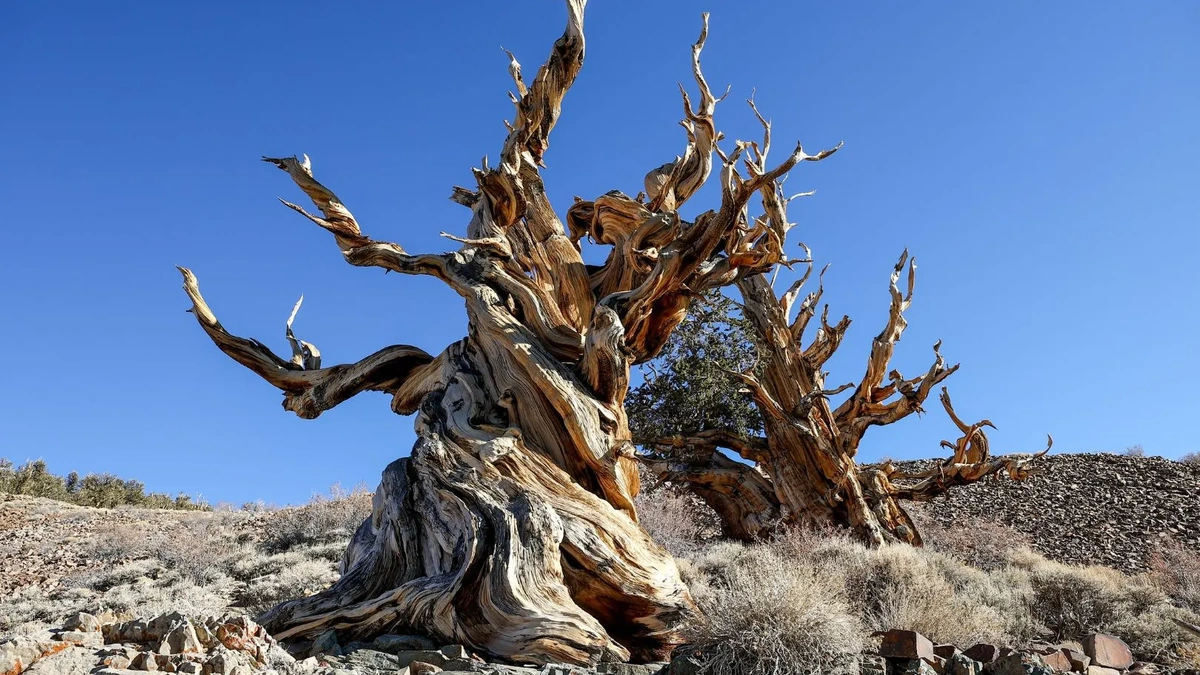
Methuselah, a Great Basin bristlecone pine ( Pinus longaeva ) residing in the White Mountains of California, is one of the oldest known non-clonal organisms on Earth. Its exact location is kept secret to protect it from vandalism, but its estimated age is over 4,800 years. What’s truly amazing is that it germinated around 2833 BC! Imagine the world events it has witnessed – the rise and fall of empires, the birth of religions, and the dawn of the modern age.
What makes Methuselah so resilient? Well, bristlecone pines are incredibly hardy trees, adapted to survive in harsh environments with poor soil, limited water, and extreme temperatures. They grow very slowly, which allows them to conserve energy and resist disease. Their dense wood is also highly resistant to decay. But, even Methuselah is not immune to the impacts of climate change. Rising temperatures and changing precipitation patterns are putting stress on these ancient trees, making them more vulnerable to pests and diseases. The long term survival of ancient trees is always a looming question. According to recent research, the US Forest Service , is actively monitoring bristlecone pine populations and studying their response to climate change.
Millennial Larch | A European Giant’s Tale
While Methuselah grabs many headlines, let’s not forget the Millennial Larch and other remarkable specimens found in Europe. These old-growth trees , often European Larch ( Larix decidua ), can live for over 1,000 years. They are usually found in the alpine regions of the Alps and other mountain ranges. These trees have witnessed centuries of human history, from the Roman Empire to the present day.
What’s fascinating is how these larches have adapted to the harsh alpine environment. They are incredibly resistant to cold temperatures, strong winds, and heavy snow loads. Their needles are also highly resistant to desiccation, allowing them to survive in dry conditions. Similar to bristlecone pines, Millennial Larches provide valuable information about past climate conditions. Their tree rings record variations in temperature and precipitation, helping scientists to reconstruct past climate patterns in the European Alps. But , human activities, such as deforestation and climate change, are threatening the survival of these ancient trees. Protecting them is crucial for preserving biodiversity and understanding the history of the European landscape.
Protecting Our Living History | Conservation Efforts
So, what can be done to protect these ancient trees? Conservation efforts are essential. This includes protecting their habitats from deforestation, reducing air pollution, and mitigating the impacts of climate change. Preserving the longevity of old trees is a responsibility we owe to the planet. One key strategy is to establish protected areas around these trees. This can help to prevent logging, mining, and other activities that could damage their habitats. Another important strategy is to reduce air pollution, which can damage the trees’ foliage and make them more vulnerable to pests and diseases. Addressing climate change is perhaps the most critical step. This requires reducing greenhouse gas emissions and transitioning to a more sustainable economy.
Individuals can also play a role. You can support organizations that are working to protect ancient trees. You can also educate yourself and others about the importance of these trees. And you can make lifestyle choices that reduce your impact on the environment. I’ve found that even small actions, when taken collectively, can make a big difference. But here’s where experience comes in: don’t just donate blindly. Research the organizations, ensure they have a proven track record, and understand where your money is going.
Frequently Asked Questions (FAQ)
Why are the locations of some ancient trees kept secret?
To protect them from vandalism and damage from curious visitors.
What can tree rings tell us about the past?
Tree rings record information about past climate conditions, such as temperature and precipitation.
How does climate change affect ancient trees?
Climate change can stress ancient trees, making them more vulnerable to pests, diseases, and extreme weather events.
What can I do to help protect ancient trees?
Support conservation organizations, educate others, and make sustainable lifestyle choices.
These ancient wonders of the world continue to tell the tale of our planet. So, the next time you see a truly old tree, remember it’s not just a tree; it’s a living testament to the Earth’s history. And , that’s a story worth listening to.
About the Author