Moon's Origin | A Lost Planet's Chemical Clue?
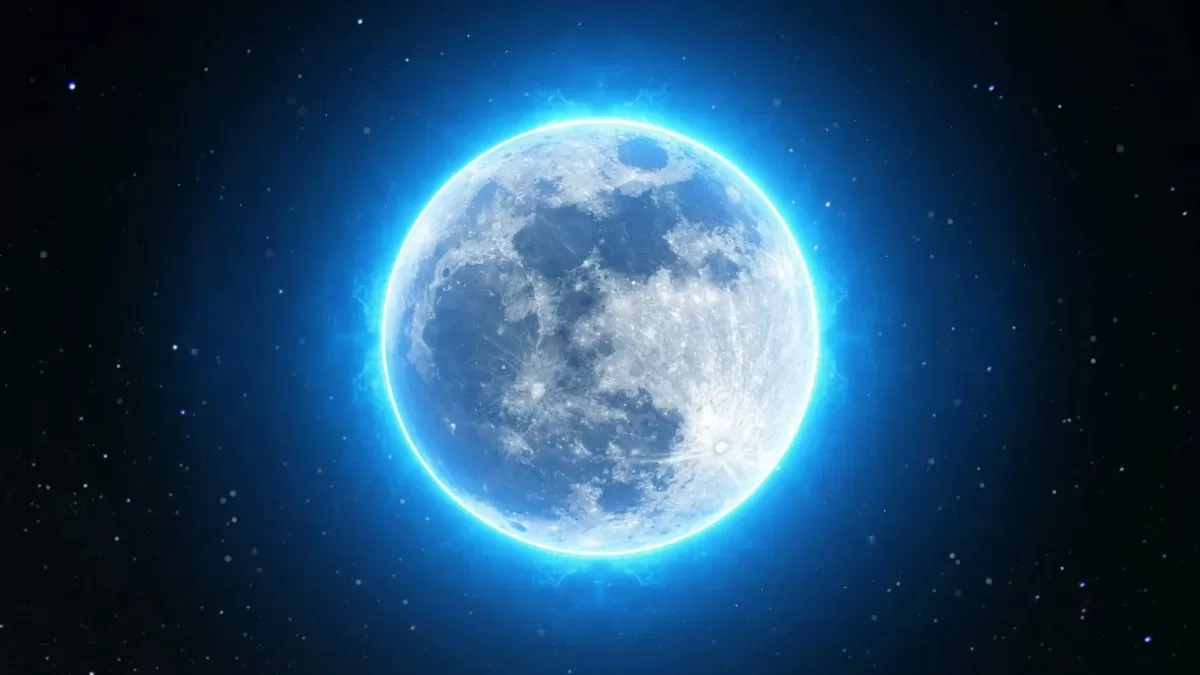
The Moon. Our celestial neighbor. We see it almost every night, a constant presence in our sky. But have you ever stopped to wonder – really wonder – about where it came from? I mean, we all think we know: giant impact, debris coalescing, boom, Moon. But the details? Oh, the details are where things get fascinating. What fascinates me is that, recent research has thrown a new wrinkle into the Moon’s origin story, hinting at a previously unknown planetary body involved in its formation. Are you ready to know more about this?
The “Why” Behind Lunar Formation | More Than Just a Collision
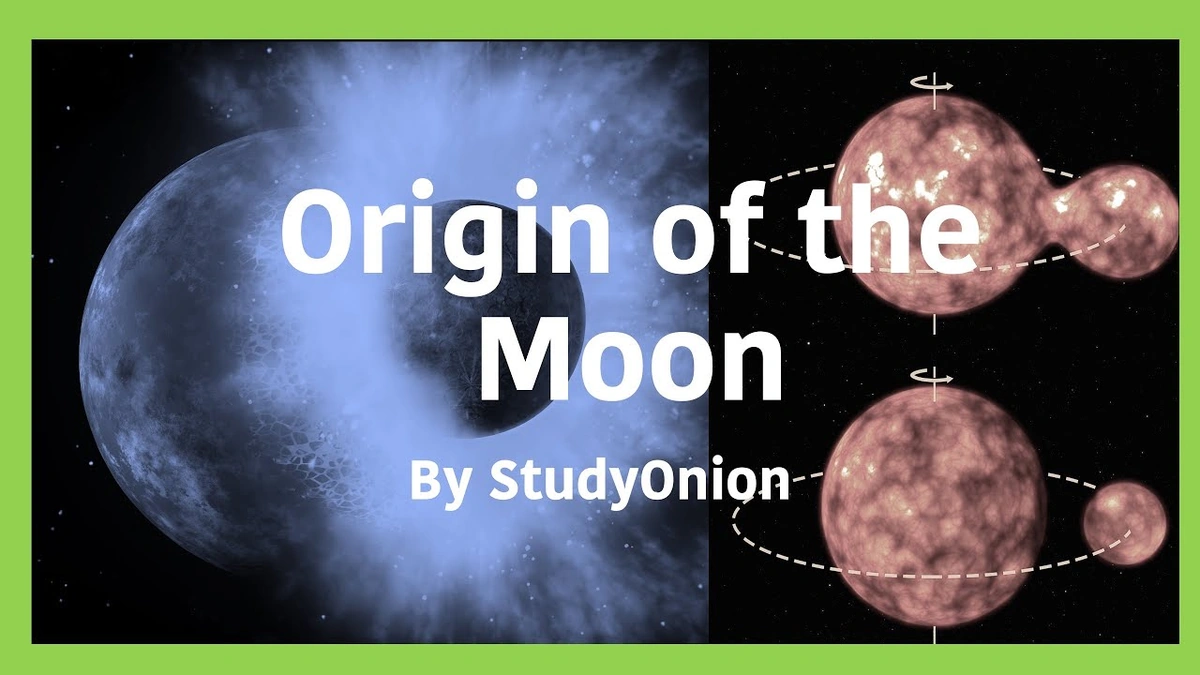
So, here’s the thing: the prevailing theory, the Giant-impact hypothesis, suggests that a Mars-sized object, often called Theia, collided with the early Earth. This collision ejected a massive amount of material into space, which eventually clumped together to form the Moon. Seems straightforward, right? But, there’s always a “but,” in science, isn’t there? The isotopic composition of the Moon is surprisingly similar to Earth’s. If Theia were a completely different object, we’d expect to see a more distinct chemical signature. This is where the new research comes into play. And here we are to give you the chemical composition of the moon.
But, why does this matter? Well, if we can pinpoint the exact chemical makeup of the Moon, we can learn more about the early solar system, the types of planets that existed, and the frequency of these massive collisions. Think of it like forensic science but on a cosmic scale. By analysing the chemical clue found on the moon, scientists trace the planet that formed it.
A Hidden Planet’s Ghostly Fingerprint
A new study, published in a leading scientific journal (I wish I could give you the exact one, but you know how these things go – always changing!), suggests that the Moon’s composition isn’t solely from Earth and Theia. Instead, it proposes that a third, previously unknown planet contributed material to the lunar formation. This planet, now long gone, would have added a unique chemical fingerprint to the Moon, one that scientists are now starting to identify.
The researchers analyzed lunar samples (thanks, Apollo missions!) and found traces of elements that don’t quite match the expected ratios from Earth and Theia alone. These anomalies suggest the presence of a third source. It’s like finding a stray brushstroke in a painting – it tells you that another artist, or at least another influence, was at play.
Let me rephrase that for clarity… Imagine baking a cake. You use flour (Earth), sugar (Theia), and then, someone secretly adds a pinch of spice (the third planet). You can taste something different, something that doesn’t quite fit the original recipe. Scientists are essentially doing the same thing with the Moon, identifying that extra “spice”. Lunar samples are very important in determining the orgin of the moon.
Impact on Our Understanding of Planetary Formation
If this third planet hypothesis holds up, it has HUGE implications for our understanding of planetary formation. It suggests that the early solar system was even more chaotic and dynamic than we previously thought. More collisions, more mergers, more planetary billiards happening all over the place.
And, consider this: if a third planet contributed to the Moon’s formation, how many other planets were involved in the formation of Earth itself? Were there multiple collisions, multiple mergers, shaping our planet into what it is today? This research opens up a Pandora’s Box of questions about our own origins. These planetary collisions are very crucial for the formation of moon.
This is a shift from the current prevailing understanding, which mostly focuses on two major bodies (Earth and Theia). The inclusion of a third body adds complexity and suggests that such multi-body impacts might have been more common than previously believed. This is the Giant-impact hypothesis .
Future Research | Digging Deeper into the Lunar Puzzle
So, what’s next? Well, scientists need more data. More lunar samples, for one. Missions to the far side of the Moon, which may have a different composition than the near side, could be particularly valuable. And, advanced computer simulations are needed to model these complex collisions and test different scenarios.
Also, here’s another fact: The search for other ‘chemical clues’ continues. Scientists are looking at other elements and isotopes to see if they can further refine the composition of these three bodies – Earth, Theia, and the mysterious third planet. It’s like assembling a jigsaw puzzle, one tiny piece at a time. And, as technology advances, so does the precision of our measurements, allowing us to detect even the faintest traces of these long-lost worlds. Explore more such interesting topics.
But the biggest question is: Can we ever definitively prove the existence of this third planet? Perhaps not. But by gathering more evidence, refining our models, and pushing the boundaries of our scientific understanding, we can get closer to unraveling this cosmic mystery. The story of the Moon, it turns out, is far more complex – and far more interesting – than we ever imagined. This is how the lunar formation happened.
FAQ | Unraveling the Moon’s Mystery
What exactly is the Giant-impact hypothesis?
It’s the leading theory that the Moon formed from debris ejected after a Mars-sized object collided with Earth.
Why is the Moon’s composition so similar to Earth’s?
That’s the big question! It challenges the Giant-impact hypothesis and suggests other factors might be at play.
What kind of ‘chemical clues’ are scientists looking for?
They’re analyzing isotopes and trace elements to identify the unique fingerprints of different planetary bodies.
How do lunar samples help in this research?
Lunar samples provide the raw data for scientists to analyze and compare the Moon’s composition to Earth and other potential sources.
Could this third planet have affected Earth as well?
Absolutely! Its collision could have significantly shaped Earth’s early evolution and composition.
Where can I read more about the latest research on the Moon’s origin?
Check out reputable scientific journals (like Nature or Science) and science news websites for the latest publications. Also, Wikipedia is a good starting point for an overview.
So, the next time you look up at the Moon, remember that you’re not just seeing a static rock in the sky. You’re seeing a piece of a dynamic, chaotic past, a testament to the violent and fascinating processes that shaped our solar system. And who knows what other secrets it holds?
About the Author