Kissing Originated 21 Million Years Ago?!
Okay, let’s be honest – when you think about the origins of kissing, what comes to mind? Probably not ancient African apes swinging through trees 21 million years ago. But that’s exactly what scientists are suggesting, and honestly, what fascinates me is the ‘why’ behind this discovery. It’s not just a quirky fact; it reshapes our understanding of primate behavior and human intimacy. So, grab your chai, and let’s dive into the evolutionary smooch.
The ‘Why’ Behind the Pucker | Grooming Turned Intimate?
The study, if you dig into the details (and you know I did!), points to a fascinating shift in behavior. See, primates groom each other – it’s a social thing. They pick out bugs, they strengthen bonds. But, researchers believe that in ancient African apes, this grooming might have taken a turn towards something… more. Like, lip-to-lip action. The question isn’t just about how kissing originated , but why . What evolutionary advantage did it offer? That’s the real juicy bit.
Think about it. Grooming is good, but what if lip contact – maybe initially just a gentle nuzzle – released endorphins? What if it created an even stronger sense of connection? Evolution favors things that work, and if kissing made apes more likely to cooperate, share resources, or protect each other, then bam! – you’ve got a behavior that sticks around. According to evolutionary anthropologists, social bonding behaviors contribute significantly to the survival and reproductive success of primates. It also can spread infection. It is so interesting!
From Africa to Agra | The Spread of a Smooch
So, picture this: these ancient apes are chilling in Africa, and their little lip-to-lip grooming sessions are catching on. Fast forward a few million years, and their descendants are migrating out of Africa, carrying this behavior with them. It slowly evolves into what we recognize as kissing today, spreading across the globe like wildfire. The spread of human traditionsis an interesting factor.
But – and here’s where it gets even more intriguing – did kissing evolve independently in other primate species? Did other apes figure out this bonding behavior on their own? It’s totally possible! The animal kingdom is full of examples of convergent evolution, where different species independently develop similar traits because they face similar environmental pressures. Maybe, just maybe, kissing is one of those traits.
The Modern Kiss | More Than Just Lip Service
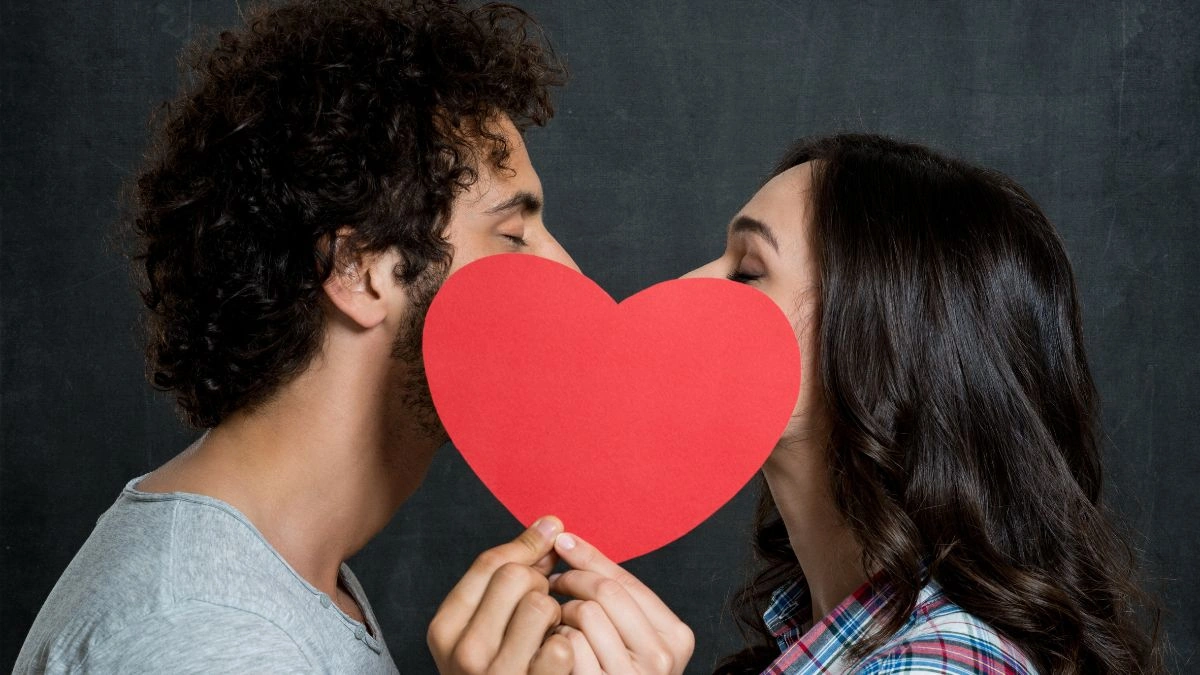
Let’s leap forward to today. Kissing is everywhere – in movies, in ads, in real life. It’s a symbol of love, affection, passion, and even respect. But let’s not forget the biology that underscores those mushy feelings. That feeling of euphoria you get when you kiss someone you’re attracted to? That’s a cocktail of chemicals being released in your brain – dopamine, oxytocin, serotonin. It’s basically nature’s way of saying, “Hey, this is good for you! Do it again!”
And it’s not just about romantic kisses either. Think about the peck on the cheek you give your parents, the quick kiss you plant on your kid’s forehead. These are all forms of kissing that reinforce social bonds and express affection. They’re a testament to the enduring power of this ancient behavior, a behavior that started, perhaps, with some hairy ape in Africa.
The Health Implications (Yes, Even Germs!)
Now, before you go off and start kissing everyone you meet, let’s talk about the less glamorous side of kissing: germs. Yeah, kissing does spread germs . In fact, you’re swapping millions of bacteria every time you lock lips. But here’s the thing: most of those bacteria are harmless, and some might even be beneficial. Exposure to different microbes can help strengthen your immune system. It’s like a tiny, saliva-based vaccination. Still, good oral hygiene is still key, and if you or your partner are feeling under the weather, maybe stick to air kisses for a bit.
Here’s the thing: kissing can also have tangible health benefits. It can reduce stress, lower blood pressure, and even relieve pain. That’s because all those lovely chemicals released during kissing can act as natural painkillers. Also, the surge of endorphins can boost your mood and help you feel more relaxed. So, in moderation, kissing is good for your health. Who knew? It’s about much more than just intimacy; it can be a tool for improved psychological wellbeing.
Beyond the Lips | The Future of Kissing Research
What fascinates me is that the story of kissing isn’t over. There’s still so much we don’t know. How did kissing evolve in different cultures? Are there societies where kissing is taboo? How does kissing affect our brains and bodies in the long term? These are all questions that scientists are actively investigating.
And as technology advances, we’re getting better tools to study the science of kissing. Brain imaging techniques allow us to see what happens in the brain when we kiss. Genetic analysis can help us trace the origins of kissing in different populations. Who knows? Maybe one day we’ll even be able to create a “kissing simulator” that lets us experience the perfect kiss without actually having to, you know, kiss someone. Just thinking out loud!
So, the next time you lean in for a smooch, take a moment to appreciate the long and fascinating history of kissing. Remember those ancient African apes, and the evolutionary forces that shaped this intimate behavior. It’s a story that spans millions of years and connects us all. And remember to share this article; because, let’s face it, who doesn’t love talking about kissing?
Looking to learn more? Check out how kidney disease affects people in India.
FAQ About Kissing Origins
Where did scientists find this evidence of ancient apes kissing?
The evidence isn’t a direct fossil of apes kissing! It’s based on studying the social behaviors of modern primates and extrapolating back, combined with genetic and evolutionary analysis. Think of it as detective work!
Does this mean all primates kiss?
No, not all primates kiss in the way humans do. Lip-to-lip contact for social bonding varies across species. Some primates groom each other extensively, while others have different forms of physical affection.
Is kissing essential for human relationships?
Culturally, it’s a big deal in many societies! Biologically, it strengthens bonds through chemical releases in the brain. But healthy relationships exist without kissing.
What about kissing and hygiene? Should I be worried?
Kissing does spread germs, but most are harmless. Good oral hygiene is important. If you or your partner is sick, maybe hold off on the deep kisses until you’re both feeling better!
Will there be more research on the origin of kissing?
Absolutely! Scientists are constantly exploring the evolution and social aspects of kissing. New research is always emerging, so stay tuned for more smoochy science!
Is there a link between the origin of kissing and other social behaviors?
Yes, kissing is likely linked to other social behaviors like grooming and bonding. The development of kissing could have been part of a larger shift in social interactions among primates.
About the Author