Interstellar Comet | A Visitor From Another Star!
Okay, let’s be honest. When you hear about a comet, you probably think of blurry photos and scientists in lab coats. But this isn’t just any comet. This is an interstellar comet – a space traveler from another solar system dropping by for a quick visit. And NASA is on it, tracking its every move. The question is: why should you, sitting in India, care? Well, here’s the thing… this could change everything we know about the universe.
Why This Interstellar Comet Matters | More Than Just a Space Rock
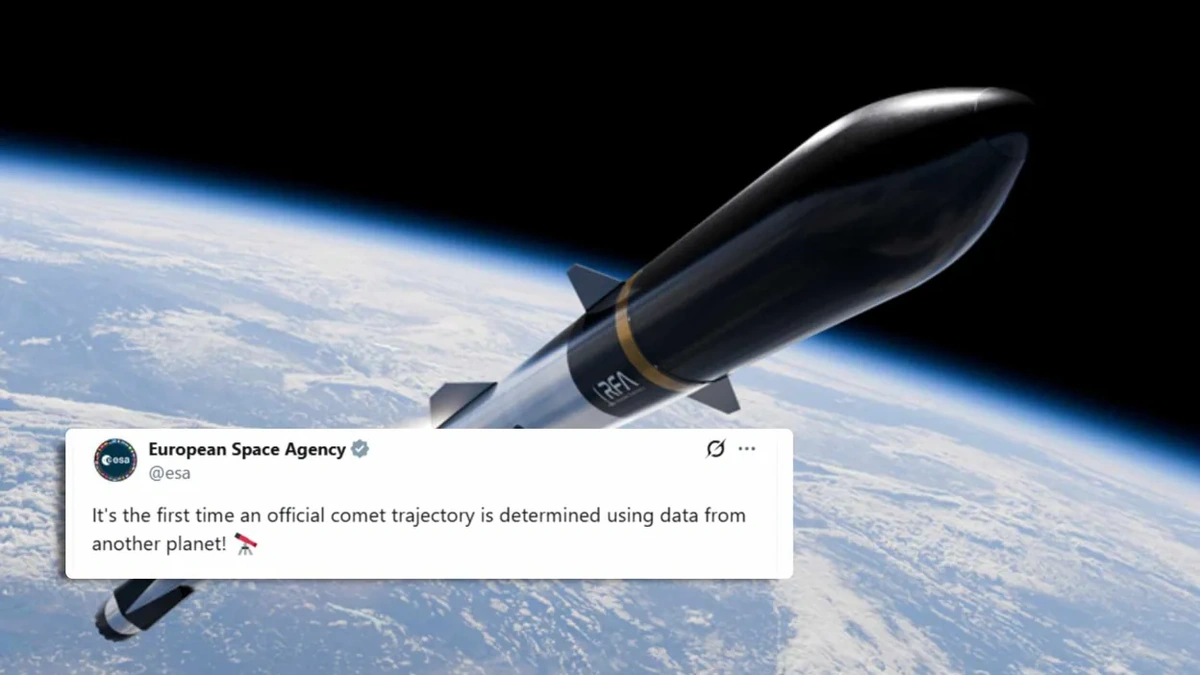
So, why all the fuss? It’s not just about the pretty pictures (though those are cool too). This comet, dubbed 2I/Borisov, is a unique opportunity for scientists to study material from outside our solar system. Think of it like this: it’s like getting a sample of soil from a completely different planet – except this one is a comet made of ice and dust. What fascinates me is the potential to unlock secrets about the formation of planetary systems far, far away. This comet’s composition is a treasure trove. Scientists can analyze the gases and dust it releases as it gets closer to the Sun, and learn about the conditions in its home solar system. Are you thinking what I am thinking? Elon Musk would be so thrilled.
And, let’s be real, that’s seriously cool. According to NASA’s official website , studying these objects helps us understand how common the building blocks of life are throughout the universe. The “Why” angle here is huge: are we alone? This kind of research helps us answer that.
NASA’s Game Plan | Tracking the Trajectory
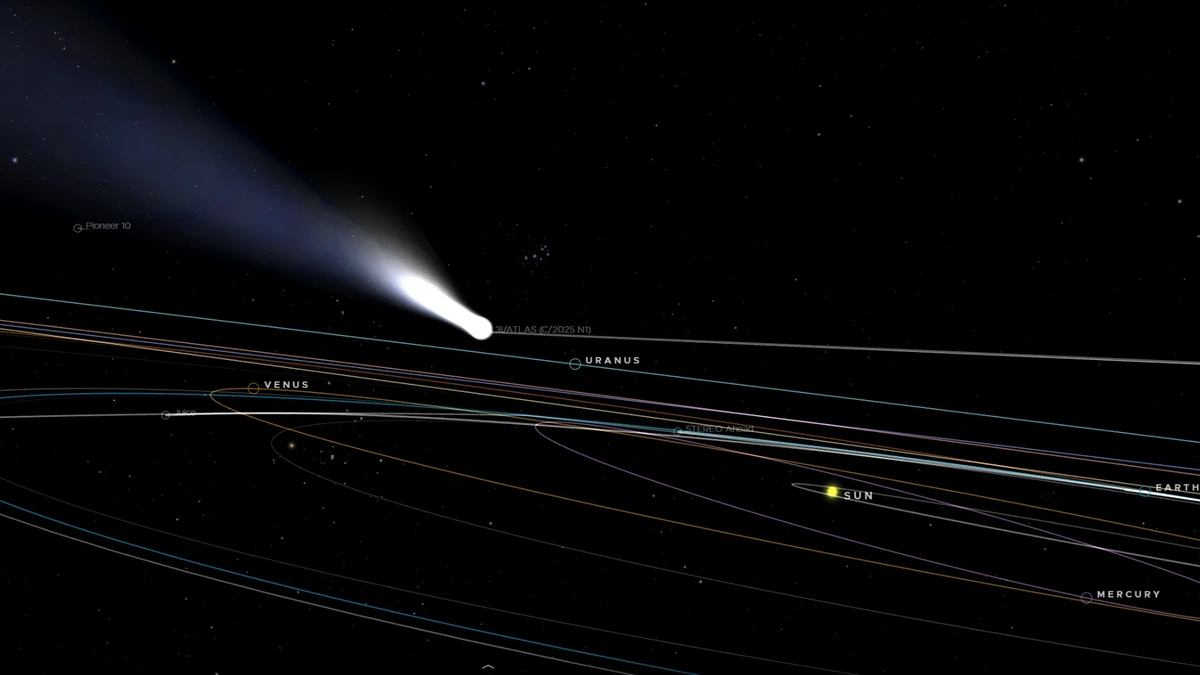
NASA isn’t just sitting back and watching. They’re actively tracking the comet’s trajectory using powerful telescopes like the Hubble Space Telescope and the Very Large Telescope in Chile. Here’s the “How” angle: scientists need to pinpoint the comet’s exact path to understand where it came from and where it’s going. This involves complex calculations and constant monitoring. But, it is important to know that tracking an interstellar object is not an easy task.
What I initially thought was straightforward – point telescope, take picture – is actually a highly sophisticated operation. They have to account for the Sun’s gravity, the influence of other planets, and even the pressure from sunlight itself! All this data feeds into models that help refine our understanding of the comet’s origin. This meticulous tracking also allows them to predict when and where the comet will be visible, so even amateur astronomers can get a glimpse.
What Can We Learn From Its Composition?
The real gold lies in the comet’s composition. Imagine this cosmic visitor as a time capsule from another star system. Scientists are analyzing the light reflected from the comet to determine what elements and molecules are present. This process, called spectroscopy, is like analyzing a fingerprint. And scientists will want to analyze the interstellar dust composition closely.
What fascinates me is that the comet’s chemical makeup can tell us about the conditions in its home system. For example, the presence of certain organic molecules could suggest that the building blocks of life are more common than we thought. It’s like finding evidence that a planet similar to Earth could exist elsewhere.
What Does This Mean for India? A Global Perspective
You might be wondering, “Okay, this is happening light-years away. What’s in it for India?” Well, science is a global endeavor. Discoveries made about this comet will benefit everyone. Indian astronomers are also contributing to this research, using telescopes and observatories to gather data. Plus, it inspires the next generation of scientists and engineers. Think of the chemistry titansof the future!
But more practically, the knowledge gained from studying interstellar objects can help us better understand the risks posed by asteroids and comets in our own solar system. Learning how these objects behave and what they’re made of can inform strategies for planetary defense.
And so, think about the next time you are stargazing.
FAQ About Interstellar Comets
What exactly is an interstellar comet?
It’s a comet that originated from outside our solar system, meaning it formed around another star and was ejected into interstellar space before eventually passing through our solar system.
How rare are these interstellar visitors?
They’re believed to be quite rare. 2I/Borisov was only the second interstellar object ever detected passing through our solar system. The first was an asteroid named Oumuamua.
Can I see the Interstellar Comet with my own eyes?
Probably not without a telescope. The comet is relatively faint, and requires specialized equipment to observe it.
What if I forgot my application number?
Since it is space science, there is no application number involved.
Will this comet hit Earth?
No. The trajectory is carefully calculated, and there is no risk of a collision with Earth. According to JPL NASA , there is absolutely no risk involved.
So, the next time you look up at the night sky, remember that you’re not just looking at familiar stars and planets. You might be witnessing a visitor from another world, a tiny messenger carrying secrets from a distant solar system.
About the Author