
Immune Evasion | The Secret Battle Inside?
Okay, let’s talk about something that might sound like it belongs in a sci-fi movie but is actually happening right now inside your body – immune evasion. It’s not about aliens (sorry!), but it is about how sneaky viruses and cancers manage to outsmart your immune system. What fascinates me is just how complex this battle is, constantly evolving and requiring us to understand it better to protect ourselves. It’s not just about getting sick; it’s about the future of medicine and how we combat diseases that are constantly trying to outsmart us. Learn more about immune evasion .
What Exactly IS Immune Evasion, Anyway?
Think of your immune system as a highly trained security force constantly patrolling your body. Its job is to identify and eliminate anything that shouldn’t be there – bacteria, viruses, and even cancerous cells. But some of these invaders are masters of disguise. That’s where viral immune evasion strategies come in. They’ve evolved ways to evade detection, suppress immune responses, or even directly attack the immune system itself. It’s like a constant arms race, and understanding their tactics is crucial.
Here’s the thing: immune system evasion isn’t a single trick. It’s a whole playbook of strategies. Some viruses, for example, can rapidly mutate their surface proteins, making it difficult for antibodies to recognize them. Others produce molecules that interfere with the signaling pathways of immune cells. Still others hide inside cells, where they are less vulnerable to attack.
Why Should You Care About Viral Immune Evasion Strategies?
So, why should someone in India, dealing with everyday life, be concerned about something as technical as immune evasion mechanisms? Well, think about it this way: understanding how diseases evade the immune system is directly linked to developing more effective vaccines and treatments. Take, for example, the flu virus. It’s constantly changing, which is why we need a new flu shot every year. This constant change is directly related to immune evasion.
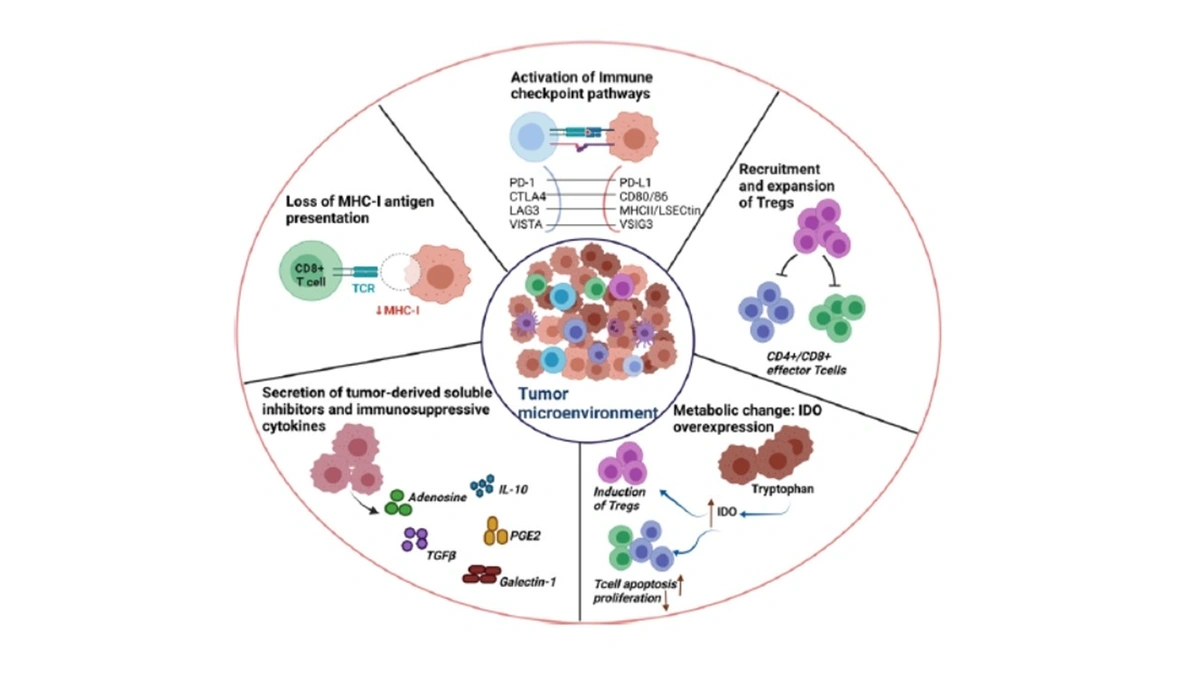
But it’s not just about infectious diseases. Cancer immune evasion is also a major challenge in cancer treatment. Cancer cells can develop mechanisms to evade the immune system, allowing them to grow and spread unchecked. By understanding these mechanisms, we can develop new immunotherapies that help the immune system recognize and attack cancer cells. It’s about empowering our bodies to fight back effectively.
The Implications for Vaccines and Immunotherapies
Let’s be honest – vaccines are a cornerstone of public health. But their effectiveness depends on the immune system’s ability to recognize and respond to the vaccine antigens. When viruses or cancer cells evolve ways to evade the immune system, it can reduce the effectiveness of vaccines and immunotherapies. This is why research into immune evasion is so critical.
I initially thought this was a straightforward problem, but then I realized the complexity involved. Consider cancer’s immune evasion mechanisms. Researchers are exploring various approaches to overcome this, including:
- Developing vaccines that target multiple viral or cancer antigens to reduce the likelihood of escape.
- Using adjuvants to boost the immune response.
- Developing immunotherapies that block immune evasion mechanisms.
These approaches hold immense promise for improving the prevention and treatment of infectious diseases and cancer.
The Future of Immune Evasion Research
The study of immune evasion is a rapidly evolving field. New discoveries are being made all the time. What fascinates me is the potential for artificial intelligence and machine learning to play a role in this research. These technologies can help us analyze vast amounts of data and identify new immune evasion mechanisms that we might otherwise miss. I am keen to see how that field evolves.
Also, the rise of multi-drug resistant bacteria puts emphasis on understanding how bacteria evade the host immune response. This would provide better insights to the development of effective antibacterial strategies.
According to the latest research on NCBI , understanding the intersection of host immune response and viral evolution would lead to better vaccines for diseases like COVID-19 and influenza.
FAQ About Immune Evasion
Frequently Asked Questions
What are some common immune evasion strategies used by viruses?
Viruses use several tricks, including rapidly mutating, interfering with immune cell signaling, and hiding inside cells.
How does cancer evade the immune system?
Cancer cells can suppress immune responses, alter their surface markers to avoid detection, or secrete factors that inhibit immune cell activity.
Why is immune evasion a problem for vaccine development?
If a virus or cancer cell can evade the immune response induced by a vaccine, the vaccine may be less effective.
What are immunotherapies, and how do they relate to immune evasion?
Immunotherapies are treatments that help the immune system recognize and attack cancer cells. Some immunotherapies target immune evasion mechanisms directly. But, as per guidelines mentioned by National Cancer Institute , one should be careful about the side effects and effectiveness.
What is the future of immune evasion research?
The future of immune evasion research involves a combination of basic science, translational research, and technological advancements, such as AI and machine learning.
So, the next time you hear about a new virus or a breakthrough in cancer treatment, remember that immune evasion strategies are likely playing a key role. It’s a complex field, but understanding the basics can help you appreciate the challenges and the progress being made in the fight against disease. Understanding all these evasion tactics is the first step to developing even smarter ways to keep our bodies safe and healthy.
About the Author