Falcon 9 Launch | Why Sunday's Mission Changes Everything
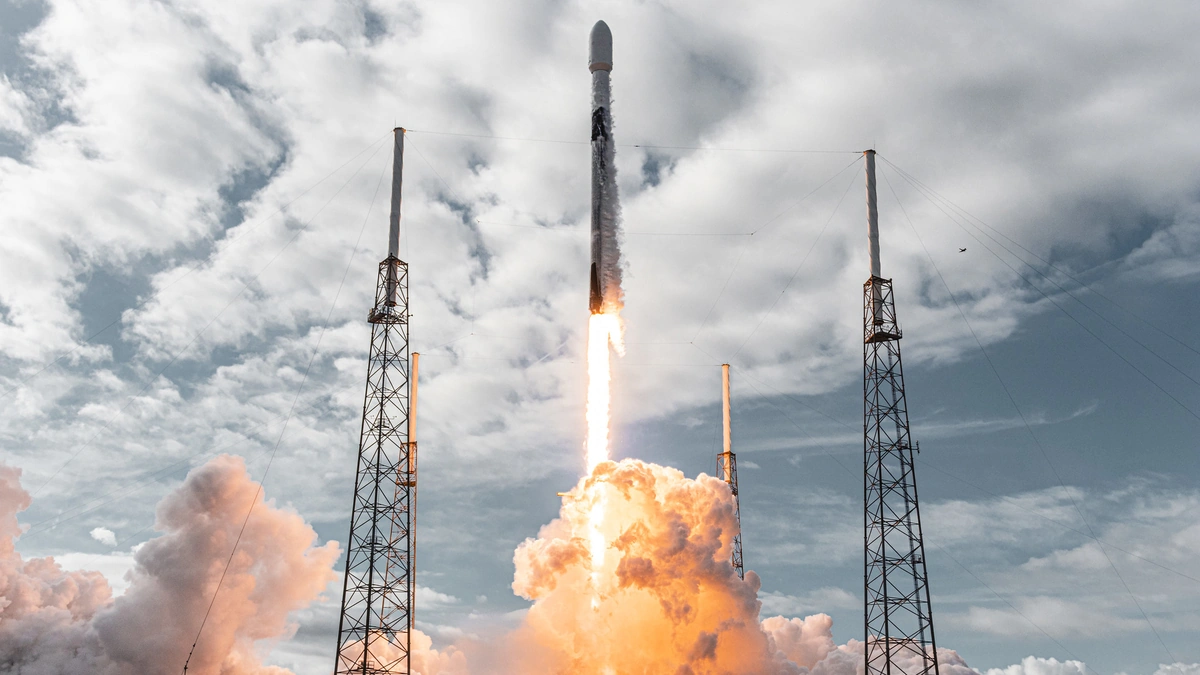
So, SpaceX is gearing up for another Falcon 9 launch, this time from Vandenberg Space Force Base, and it’s happening this Sunday. But here’s the thing: it’s not just another launch. It’s a carefully orchestrated event with ripple effects that extend far beyond putting something into orbit. Let’s dive into why this launch matters, especially if you’re someone who’s fascinated by the intricacies of space exploration and its growing impact on our daily lives.
Why This Falcon 9 Launch Is More Than Just a Ride to Space
Okay, let’s be honest. Launches happen all the time. But this one? It’s different. The “why” behind this particular Falcon 9 mission is multi-layered. First, consider the payload. What’s going up there? Usually, it’s a satellite or a batch of them – part of an ever-growing constellation designed to improve communication, provide better Earth observation data, or even contribute to national security. Each satellite is a piece of a bigger puzzle. And these satellites provide critical data. The launch from Vandenberg will be carrying another batch of Starlink satellites. This explains the increased internet speeds that you might be enjoying. But, it is not all positive news. A recent study indicates that space debris from satellite launches is a growing concern. This launch is part of the increasing challenge for responsible space travel.
And then there’s Vandenberg itself. It’s not Cape Canaveral. Vandenberg’s location on the California coast offers a unique advantage for launching into polar orbits. Why does that matter? Polar orbits are ideal for satellites that need to scan the entire Earth regularly, like those used for weather forecasting, environmental monitoring, and military reconnaissance. So, a launch from Vandenberg often suggests a mission with a specific purpose related to global coverage. As per the official SpaceX website, the launch window opens at 7:30 PM Pacific Time (that’s early Monday morning in India, for those of us keeping track!).
Decoding the Falcon 9 | Reusability and Cost Efficiency
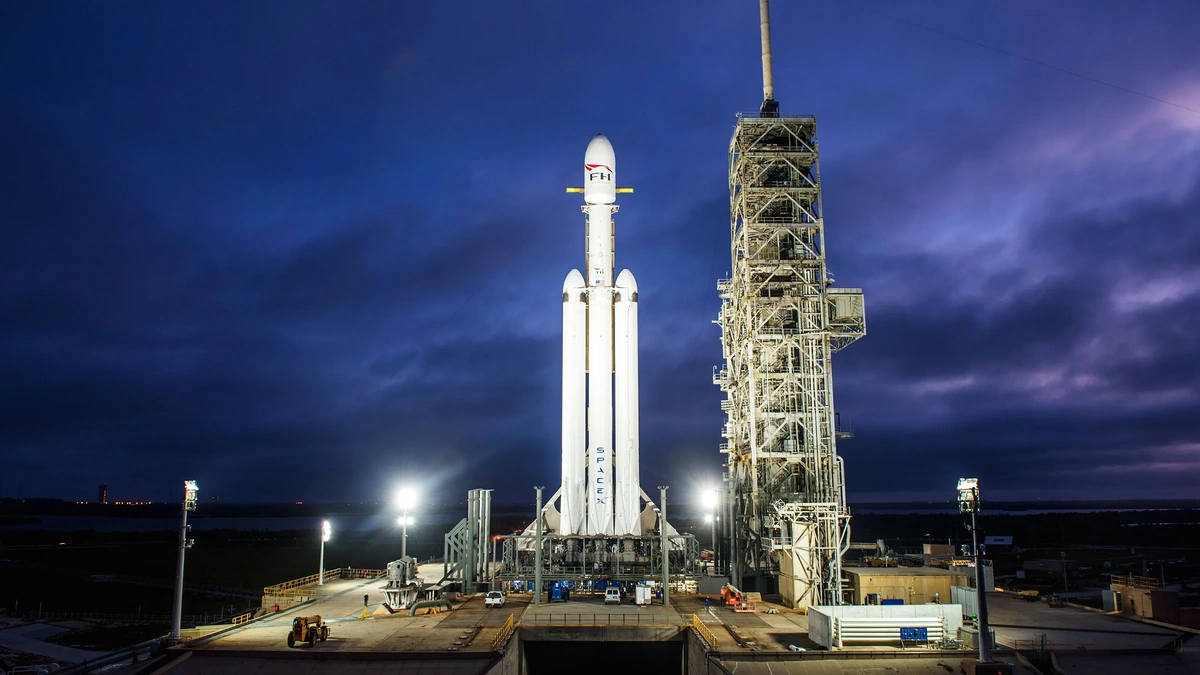
What fascinates me is the Falcon 9’s reusable first stage . It’s a game-changer. Before SpaceX, rockets were largely single-use items – incredibly expensive and wasteful. Now, the ability to land and reuse a significant portion of the rocket dramatically reduces the cost of access to space. And that’s not just good for SpaceX’s bottom line. It opens up opportunities for more frequent launches, more diverse missions, and ultimately, a more accessible space program for everyone. It’s a shift from throwing away a vehicle after one use (like an airplane). This article goes into detail on how the reusability feature saves money and resources.
But, there are concerns. With increased launches, the risk of accidents and space debris also increases. It’s a complex balancing act. This launch demonstrates SpaceX’s commitment to making space more accessible and its ongoing efforts to refine and improve its technology.
How to Track the Falcon 9 Launch (Even from India!)
Want to watch the launch? Even if you’re in India and can’t physically be at Vandenberg, you can still witness this event live. SpaceX usually provides a live stream on its website and YouTube channel. Just search for “SpaceX live launch” a few hours before the scheduled time. But, be prepared to adjust your schedule – launches can be delayed due to weather or technical issues. A common mistake I see people make is not checking the official SpaceX website for updates on launch times.
And, here’s a pro tip: follow SpaceX’s social media accounts for real-time updates and behind-the-scenes information. They often share details about the mission, the payload, and the challenges involved. It’s a great way to deepen your understanding and appreciation for the complexities of spaceflight. The one thing you absolutely must double-check before tuning in is the time zone conversion. Trust me; it’s easy to miss the launch if you don’t!
The Bigger Picture | Space Exploration and Its Impact on India
So, why should someone in India care about a SpaceX Falcon 9 launch from California ? Because space exploration is no longer a niche activity confined to a few countries. It’s a global endeavor with implications for everyone. India itself has a thriving space program (ISRO), and the technologies and innovations pioneered by companies like SpaceX often have spillover effects that benefit other space-faring nations.
Think about it: advancements in rocketry, satellite technology, and data analysis all contribute to a broader understanding of our planet and our universe. And that knowledge can be used to address challenges like climate change, resource management, and disaster preparedness. The competition in the space industry is heating up. And breakthroughs have global impact. The increased interest in space travel is creating countless opportunities for scientists, engineers, and entrepreneurs.
Falcon 9 | Mission Objectives
The Falcon 9 has several objectives. The primary objective is to deliver its payload to the intended orbit. The data is used for communication, GPS and weather tracking. A secondary objective includes testing new technology for future space missions. These technologies can improve rocket performance and increase efficiency. And finally, monitoring environmental impacts of space travel. As per the guidelines mentioned in the information bulletin, SpaceX is committed to reducing environmental footprint of space missions.
FAQ about Falcon 9 Launches
What if the launch is delayed?
Launches are often delayed due to weather or technical issues. Check the SpaceX website or social media for updates.
How can I watch the launch live from India?
SpaceX usually streams launches live on their website and YouTube channel. Convert the Pacific Time launch time to Indian Standard Time (IST).
What is the Falcon 9’s primary mission?
The Falcon 9’s primary mission is to deliver satellites and other payloads into Earth orbit.
Is the Falcon 9 reusable?
Yes, the first stage of the Falcon 9 is reusable, which helps reduce the cost of spaceflight.
What are polar orbits used for?
Polar orbits are used for satellites that need to scan the entire Earth regularly, like those used for weather forecasting and environmental monitoring.
So, as you watch this Sunday’s launch (or, more likely, Monday morning from India), remember that it’s not just a rocket going into space. It’s a testament to human ingenuity, a symbol of our relentless pursuit of knowledge, and a reminder that the future of space exploration is being written right now. And we all have a front-row seat.
About the Author