Dead by Daylight | Why's It Still So Popular?
Dead by Daylight . The name itself conjures up images of heart-pounding chases, desperate escapes, and the chilling satisfaction of outsmarting a killer – or becoming one yourself. But let’s be honest, there are tons of horror games out there. So, what is it about Dead by Daylight that keeps players hooked year after year? I’m not talking about just fleeting popularity; I’m talking about sustained success that goes beyond jump scares and gore. I think the answer is more complex than you might expect.
Here’s the thing: it’s not just a game. It’s a social experiment, a constantly evolving ecosystem, and a masterclass in psychological manipulation, all rolled into one deliciously terrifying package. Let’s dive into why this asymmetrical horror title has stood the test of time, shall we?
The Psychological Dance: Why Fear Keeps Us Coming Back
What fascinates me about Dead by Daylight isn’t the killers or the maps (although they’re undeniably cool). It’s the intricate psychological dance between the killer and the survivors. Think about it: the killer is always in a position of power, constantly applying pressure. Survivors, on the other hand, are underdogs, relying on teamwork, strategy, and a healthy dose of luck to survive. This power dynamic creates a unique kind of tension.
That tension, my friends, is addictive. The fear of the unknown, the adrenaline rush of a close escape, the satisfaction of working together to overcome a seemingly insurmountable challenge—these are powerful emotions that Dead by Daylight taps into with surgical precision. It preys on our most primal fears, turning them into a form of entertainment. It’s kind of twisted when you think about it, but undeniably effective. This asymmetrical gameplay is vital to the dead by daylight experience.
And it’s not just about the fear itself. It’s about the mastery of fear. As players gain experience, they learn to anticipate the killer’s moves, to recognize patterns, and to develop strategies to counter them. This sense of control, even in the face of overwhelming odds, is incredibly rewarding. The game expertly provides a tense multiplayer experience.
The Ever-Evolving Ecosystem: Content That Keeps on Giving
Dead by Daylight isn’t a static game. It’s a living, breathing entity that constantly evolves with new killers, survivors, maps, and perks. This constant stream of content keeps the gameplay fresh and exciting, preventing it from becoming stale or predictable. Let’s be honest, who doesn’t get excited about a new chapter release?
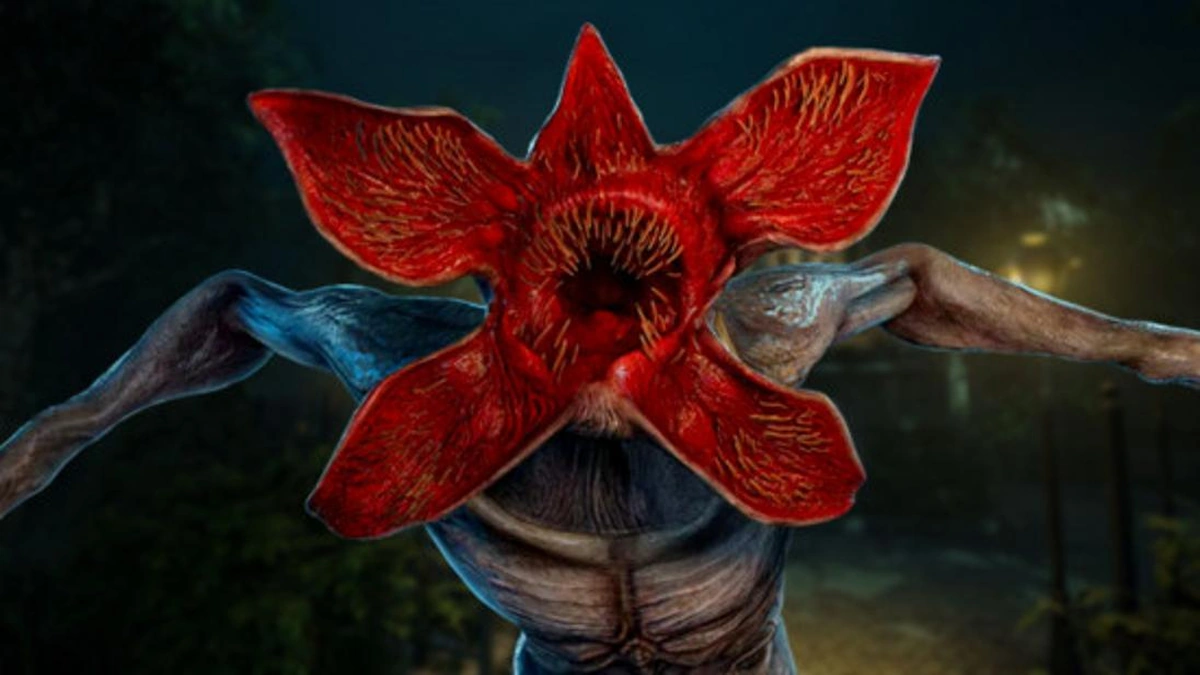
But it’s not just about quantity; it’s about quality. The developers at Behaviour Interactive have done an excellent job of licensing iconic horror characters, bringing the likes of Michael Myers, Freddy Krueger, and even Stranger Things’ Demogorgon into the game. These crossovers not only attract new players but also add a layer of nostalgia and familiarity that resonates with fans of the genre. In fact, you can read more about the Dead by Daylight Stranger Things chapter here.
And it’s not just licensed content. The original killers and survivors are equally compelling, each with their own unique backstories and abilities. This deep lore adds another layer of depth to the game, encouraging players to invest in the characters and their struggles. This is why Dead by Daylight updates are important.
The Social Glue: Community and Connection
Dead by Daylight is, at its core, a social game. It requires teamwork, communication, and a healthy dose of empathy (especially when you’re trying to rescue a teammate from a hook). This social aspect fosters a sense of community among players, creating a space where they can connect, collaborate, and share their experiences. Plus, the random nature of the game makes every match unique.
Think about it: you’re thrown into a match with four other strangers, and you have to rely on each other to survive. This shared experience creates a bond, even if it’s only temporary. You might not know their names or where they come from, but you’re all working towards the same goal. And that, my friends, is a powerful thing.
What’s fascinating to me is the sheer variety of playstyles and strategies that emerge within the community. Some players are altruistic, risking their lives to save their teammates. Others are more pragmatic, prioritizing their own survival above all else. And then there are the trolls, who are just there to cause chaos and have a good laugh. Whatever your playstyle, there’s a place for you in the Dead by Daylight community.
The developers also actively engage with the community, soliciting feedback and incorporating it into the game. This open communication fosters a sense of ownership among players, making them feel like they’re part of something bigger. Dead by Daylight community is quite positive overall.
The Grind: Is it a Flaw or a Feature?
Let’s be honest: Dead by Daylight can be grindy. Unlocking new characters, perks, and cosmetics can take a significant amount of time and effort. Some players see this as a flaw, arguing that it artificially extends the game’s lifespan and encourages players to spend money on microtransactions. Dead by Daylight bloodweb certainly takes time to master.
But I would argue that the grind is actually a feature, not a bug. It provides a sense of progression and accomplishment, giving players something to strive for. Each new perk, each new character, each new cosmetic item is a tangible reward for their efforts. And that reward is all the more satisfying because it was earned, not simply purchased. This is achieved by in-game dead by daylight progression.
Furthermore, the grind encourages players to experiment with different playstyles and strategies. To maximize their gains, they need to learn how to play different characters, master different perks, and adapt to different situations. This constant learning and adaptation keeps the gameplay fresh and engaging, preventing it from becoming repetitive.
The Future of Fear: What’s Next for Dead by Daylight?
So, what’s next for Dead by Daylight? The developers have already announced a slew of new content, including new killers, survivors, and maps. But I think the real key to the game’s long-term success lies in its ability to innovate and evolve. The horror genre itself is constantly changing, so the game must change to stay relevant.
One area where I see potential for growth is in the storytelling department. While the game has a rich lore, it’s often buried beneath layers of gameplay mechanics and unlockable content. I would love to see the developers explore the backstories of the killers and survivors in more depth, perhaps through cinematic trailers, comic books, or even a dedicated single-player campaign.
Dead by Daylight has already proven itself to be more than just a fleeting fad. It’s a cultural phenomenon, a testament to the power of fear, community, and constant innovation. And as long as it continues to tap into those primal instincts, it’s likely to remain a mainstay in the gaming world for years to come. The game’s enduring appeal comes from offering unique asymmetrical horror.
FAQ About Dead by Daylight
What platforms is Dead by Daylight available on?
Dead by Daylight is available on PC, PlayStation, Xbox, Nintendo Switch, and mobile devices.
How often does Dead by Daylight release new content?
New chapters, which include killers, survivors, and maps, are typically released every three months.
Is Dead by Daylight cross-platform?
Yes, Dead by Daylight supports cross-platform play between PC and consoles, but not with mobile devices.
What if I’m new to Dead by Daylight? Any tips?
Start with the tutorial, watch gameplay videos, and experiment with different characters and perks to find what suits your playstyle. Don’t be afraid to die – it’s part of the learning process!
Are there any competitive scenes in Dead by Daylight?
While not officially supported, there is a thriving community of competitive Dead by Daylight players who organize tournaments and events.
Ultimately, what Dead by Daylight achieves is a rare blend: it makes you scream, strategize, and connect – often all at the same time. And that’s a recipe for gaming immortality.
About the Author