
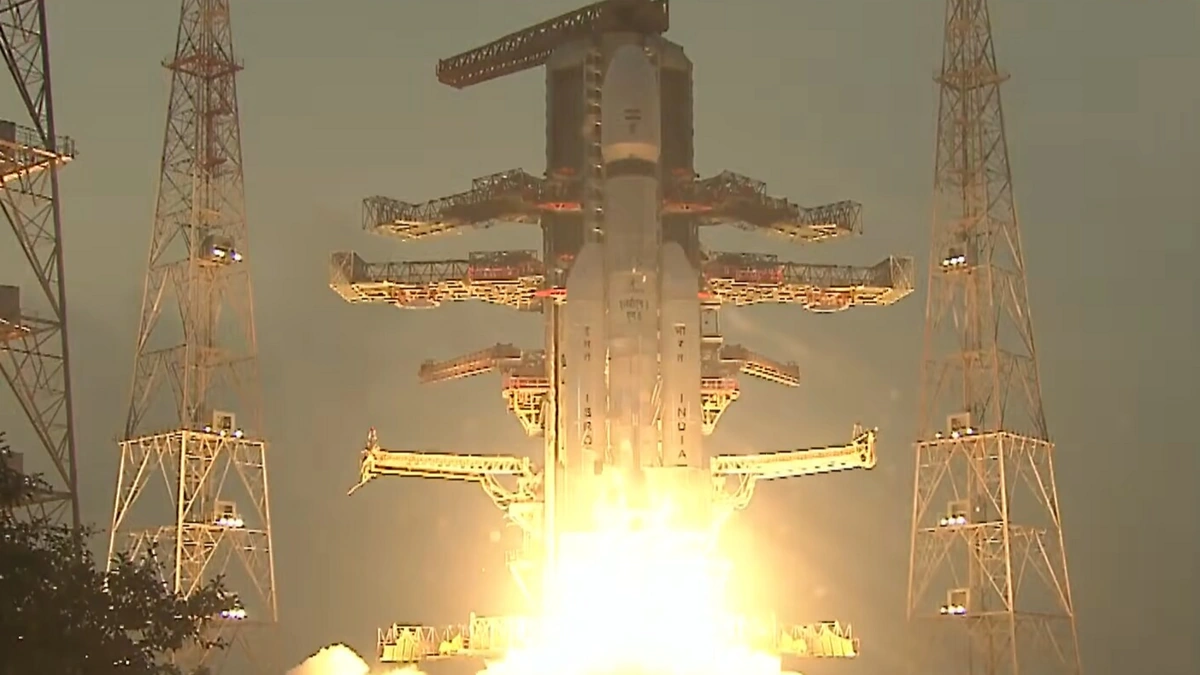
Air-Launch Rocket | NASA's Secret Mission?
Alright, space nerds and casual stargazers, gather ’round! NASA’s about to pull off something pretty darn cool next year: an air-launch rocket launch . Now, you might be thinking, “Okay, they launch rockets all the time. What’s the big deal?” But here’s the thing – this isn’t your run-of-the-mill launch from Cape Canaveral. This is a whole different ball game, and it has some serious implications for the future of space access. Let’s dive into the why behind this mission.
Why an Air-Launch Matters | The Flexibility Factor
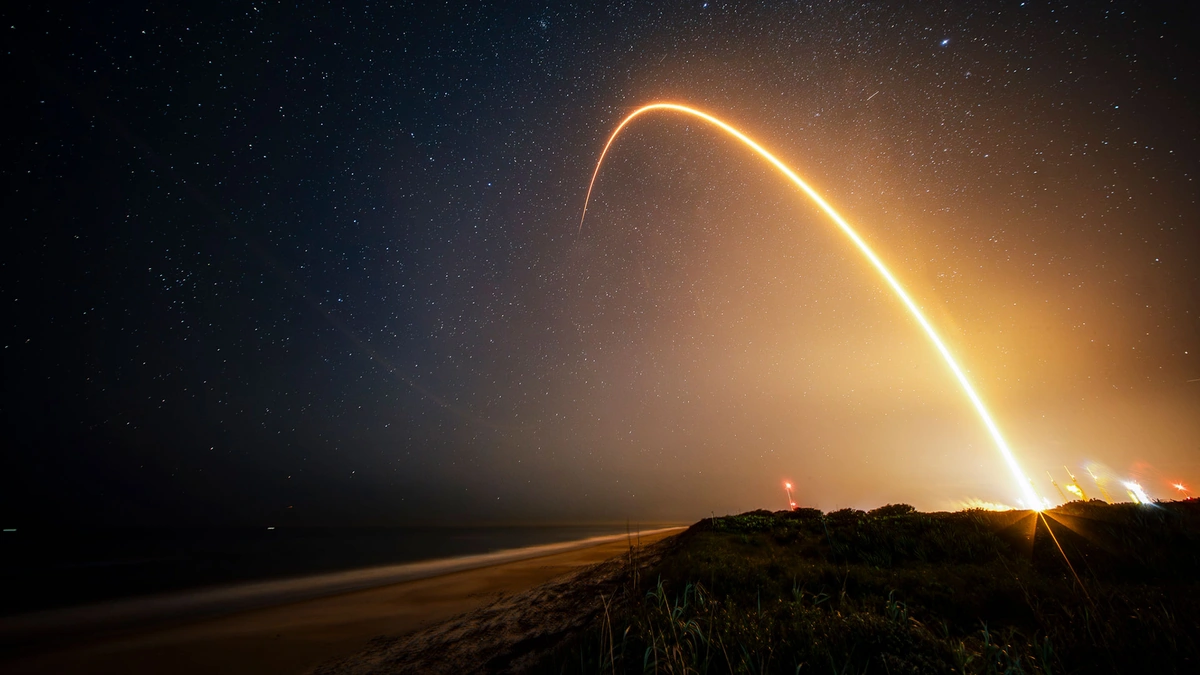
So, why bother launching a rocket from a plane in the first place? Seems complicated, right? Well, it boils down to flexibility and cost-effectiveness. Traditional ground launches are… well, they’re a bit of a logistical nightmare. You need a specific launch site, with all the infrastructure that goes along with it. Think of it like this: building a spaceport is like building an entire airport dedicated to a single type of aircraft that only flies occasionally. It’s expensive, it’s limiting, and it’s not exactly agile.
An air-launch system, on the other hand, offers a whole lot more wiggle room. You can take off from pretty much any runway that’s long enough, fly to the optimal location for your mission (taking into account things like weather patterns and orbital inclination), and then release your orbital launch vehicle . It’s like having a mobile spaceport, which opens up a ton of possibilities.
Think about it: want to launch a satellite into a specific orbit over the equator? No problem, just fly closer to the equator before you release the rocket. Need to avoid a storm system brewing over your usual launch site? Simply fly around it. This kind of flexibility is a game-changer, especially for smaller payloads and time-sensitive missions. Plus, and this is pretty important, it can significantly reduce costs. You’re not paying for a dedicated launch facility, and you’re using the atmosphere to give the rocket a head start. This is the basic concept that will make future space missions a lot more accessible to everyone.
The Tech Behind the Takeoff | How Does an Air-Launch Work?
Okay, so how does this actually work? It’s not like they’re just chucking a rocket launch system out the back of a cargo plane (although that would be pretty wild to watch). The key is a specially designed aircraft, often a modified airliner, that carries the rocket under its wing. This plane, sometimes referred to as a carrier aircraft, is essentially a flying launch pad.
Once the plane reaches the right altitude and location, the rocket is released. At this point, the rocket’s engines ignite, and it blasts off towards its intended orbit. The carrier aircraft then returns to base to prepare for its next launch. What fascinates me is how the systems involved work together. We need a sturdy airplane, and a reliable rocket. Air launch to orbit represents an important milestone, and there will surely be a lot of people watching it!
One of the pioneering companies in this field is Virgin Orbit (though, let’s be honest, they’ve had their ups and downs). Their LauncherOne system uses a modified Boeing 747 called “Cosmic Girl” to launch rockets into orbit. It’s a testament to the ingenuity involved, and proof that these systems are more than just fancy concepts.
Potential Benefits and Applications | A New Era of Space Access
So, what’s the big deal? Why should you care about air-launched rockets? Well, for starters, it could revolutionize access to space. By lowering costs and increasing flexibility, air-launch systems could make it easier and more affordable for companies and organizations to launch satellites and conduct space research. That’s a win for everyone.
Imagine a future where deploying a small satellite launch is as routine as flying a cargo plane. That’s the potential of air-launch technology. It could open up new opportunities for everything from Earth observation and climate monitoring to telecommunications and scientific exploration. But it also matters for national security space launch . A flexible launch platform can provide faster response in case of some emergency.
And let’s not forget the potential for space tourism. While it might still be a few years off, air-launch systems could eventually pave the way for more affordable and accessible suborbital flights for paying customers. Imagine soaring above the Earth in a rocket launched from a plane – now that’s an experience!
The Challenges Ahead | It’s Not All Clear Skies
Of course, air-launch systems aren’t without their challenges. One of the biggest hurdles is ensuring the reliability and safety of the entire operation. Launching a rocket from a plane is inherently more complex than launching from the ground, and there are a lot of things that could go wrong. But engineering and aerospace are all about overcoming such challenges, so it’s not an insurmountable obstacle.
Another challenge is dealing with the regulatory environment. Space launches are already heavily regulated, and adding an air-launch component only adds another layer of complexity. But as the technology matures and becomes more commonplace, expect regulations to evolve. Let me rephrase that for clarity: this is a new system, and that brings about a lot of questions.
A common mistake I see people make is to think that these types of launches are easy. It’s still rocket science, after all. The one thing you absolutely must double-check is whether the system is properly designed and tested. After all, you are dealing with a huge explosion in mid-air!
Looking Ahead | NASA’s Role in the Future of Air-Launch
NASA’s involvement in air-launch technology is a significant endorsement of its potential. By supporting and investing in these types of missions, NASA is helping to drive innovation and pave the way for a new era of space access. According to the latest reports on NASA’s website, they are committed to exploring new and innovative ways to reach space. This builds immense trust in the system.
NASA’s upcoming air-launch mission is a prime example of this commitment. It’s not just about launching a rocket; it’s about exploring new technologies, pushing the boundaries of what’s possible, and inspiring the next generation of space explorers. And that, my friends, is something worth getting excited about.
What fascinates me is the confluence of technologies and innovation streams that need to meet. The aircraft and the rocket themselves. The collaboration between different companies is also an interesting aspect of this new development.
In the grand scheme of things, this NASA air-launch isn’t just another mission; it’s a symbol of our ongoing quest to explore the cosmos and unlock its secrets. It’s a reminder that even the sky isn’t the limit. And who knows, maybe one day, we’ll all be taking off from a runway near you for a trip to the stars.
FAQ
What exactly is an air-launch rocket?
It’s a rocket that is launched from a carrier aircraft, rather than from a ground-based launch pad.
What are the benefits of air-launch?
Increased flexibility, lower costs, and the ability to launch from almost anywhere with a suitable runway.
Is air-launch safe?
While it has its challenges, air-launch technology is being developed with rigorous safety standards.
Who is involved in developing air-launch systems?
Companies like Virgin Orbit and NASA are key players in this field.
And remember that every rocket launch is an effort to discover more about our surroundings.
About the Author