Saturn's Rings Vanish! See It Tonight?
Okay, space enthusiasts, buckle up! Tonight, we’re in for something truly special, something that even seasoned stargazers might never have witnessed before: Saturn’s rings are set to seemingly vanish. I know, it sounds like some sort of cosmic magic trick, right? But it’s pure astronomy – and here’s why it matters.
The ‘Vanishing Act’ | What’s Actually Happening?
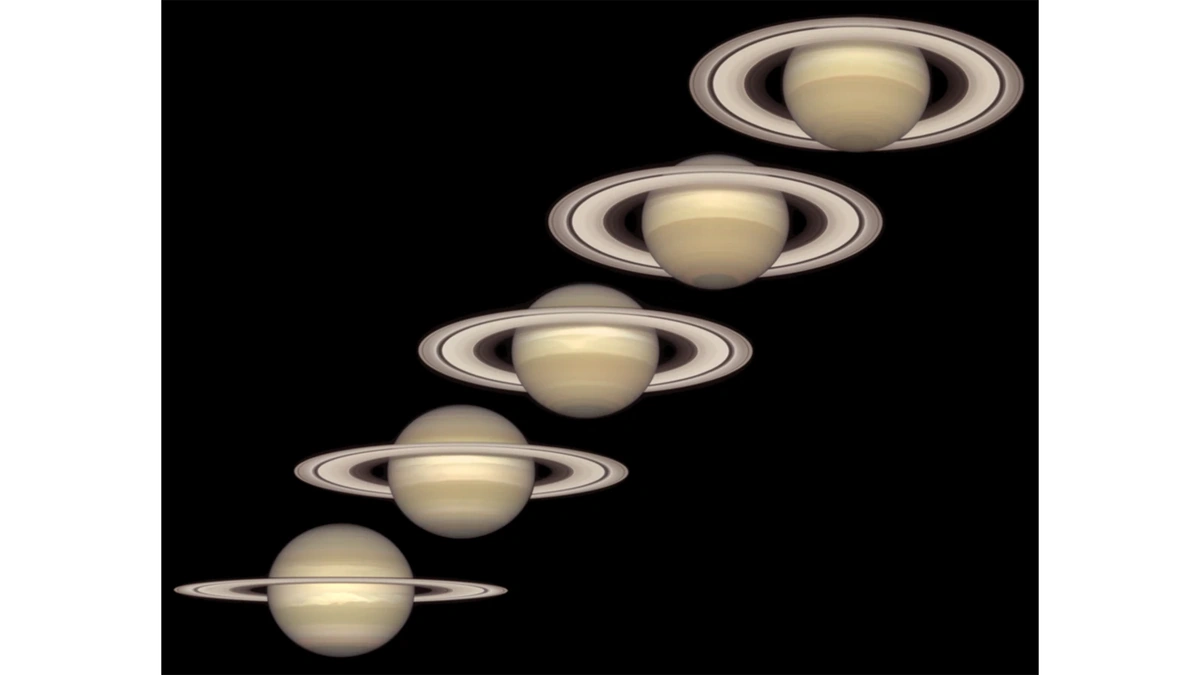
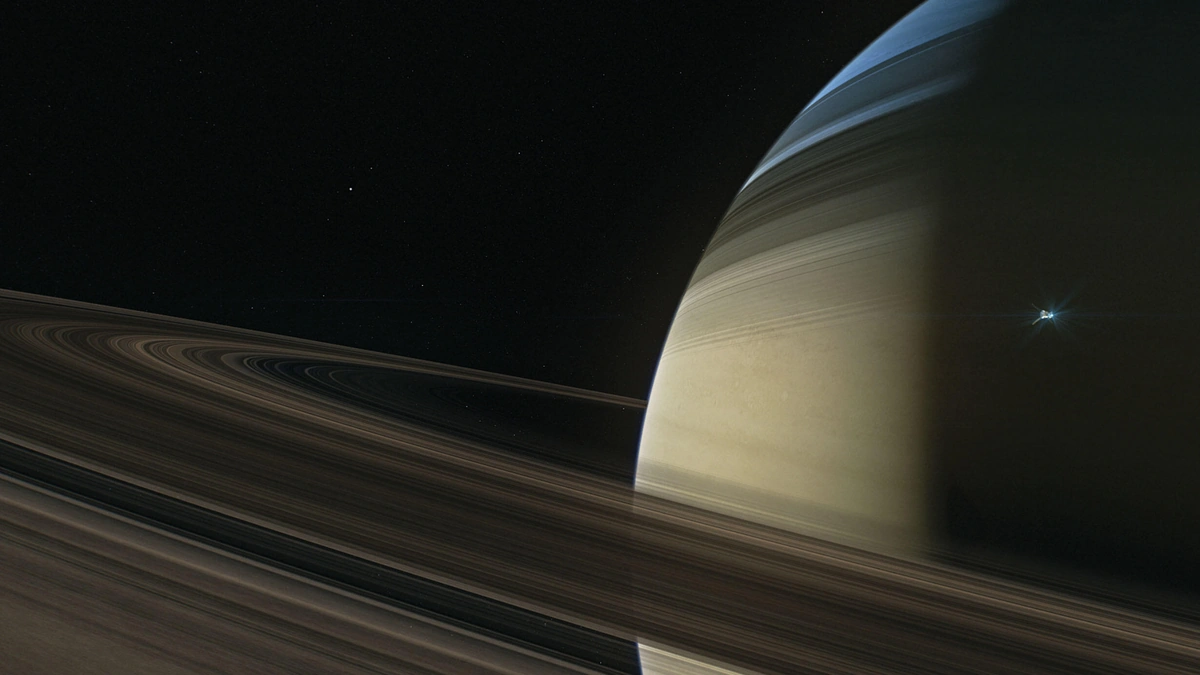
Before you start picturing Saturn as a naked planet, let’s clear up a common misconception. Saturn’s rings aren’t disappearing into thin air. What’s really happening is a matter of perspective. See, Saturn is tilted on its axis, much like Earth. And those magnificent rings? They’re also tilted. Every 13.75 to 15.75 years, as Saturn orbits the Sun, Earth passes through the ring plane. Think of it like this: imagine holding a dinner plate at eye level, then slowly tilting it until you’re looking at it edge-on. The plate doesn’t disappear, but it becomes incredibly thin and difficult to see. This phenomenon is known as the ring plane crossing, an astronomical alignment when Saturn’s rings appear edge-on to Earth, making them seem to disappear. We are nearly there, and it’s an event to be excited about. So, while Saturn’s ring system isn’t going anywhere, from our viewpoint, they will be exceptionally difficult to spot.
Why Should We Care About Saturn’s Rings?
Here’s the thing: this isn’t just some cool visual effect. The near disappearance of Saturn’s rings gives astronomers a unique opportunity to study the planet and its rings in ways that are otherwise impossible. With the glare of the broadside of the rings diminished, fainter moons and structures near Saturn become much easier to observe. Think of it like turning off the headlights of a car to see the stars better. It’s like a cosmic spring cleaning, revealing details we usually miss.
But, there is another reason why you should care about Saturn’s disappearing rings . It helps us understand the ever dynamic nature of our universe. It reminds us that nothing is truly static. The rings themselves are composed of countless icy particles, ranging in size from tiny grains of dust to chunks as big as houses. Their interactions, collisions, and responses to Saturn’s gravity are a constant dance. Observing them when they are edge on will provide us with a unique chance to study their composition and structure.
How to (Try To) Witness the Ring Plane Crossing
Okay, so you’re itching to see this vanishing act, right? Let’s be realistic: spotting the rings during the exact ring plane crossing is tough, even with a decent telescope. Why? Because when the rings are perfectly edge-on, they are incredibly faint. Light from Saturn itself will likely outshine them. But don’t let that discourage you! In the weeks leading up to and following the exact crossing (think now and the next few weeks), you’ll have the best chance to see the rings at their thinnest. As the glare of the bright rings diminishes, fainter moons and features of Saturn become visible.
A few things to keep in mind:
- Equipment Matters: While you might glimpse something with a good pair of binoculars, a telescope with at least a 4-inch aperture will give you a much better view. The bigger, the better.
- Location, Location, Location: Get as far away from city lights as possible. Light pollution is the enemy of stargazers.
- Timing is Everything: Check an astronomy app (like SkyView Lite or Stellarium) to find out exactly when Saturn will be visible in your area. You want to observe when it’s highest in the sky, away from the horizon’s murk.
- Patience, Young Padawan: Astronomy requires patience. Your eyes need time to adjust to the darkness. And atmospheric conditions can change quickly. Don’t give up after a few minutes.
And here’s a pro tip I learned the hard way: use a high-quality eyepiece. It can make a world of difference in image clarity and contrast. Remember that you can check out supermoon dates here.
The Broader Significance | Our Place in the Cosmos
What fascinates me most about events like the near disappearance of Saturn’s rings is that they put our existence into perspective. We’re on this tiny planet, orbiting a medium-sized star, in a vast galaxy filled with billions of other stars. And we get to witness these incredible cosmic events! It’s a reminder that we’re part of something much bigger than ourselves, a universe filled with wonders we’re only beginning to understand. The rings are the most unique feature of the planet, they contain water, so maybe there are chances of life on the ringed planet .
Moreover, studying these phenomena helps us refine our understanding of physics, celestial mechanics, and the formation of planetary systems. The more we learn about Saturn, the more we learn about the universe as a whole.
Maybe you can take some time to learn about first kiss origin too!
FAQ About Saturn’s Ring Plane Crossing
Frequently Asked Questions
Will Saturn’s rings disappear completely?
No, the rings won’t actually disappear. They will appear very thin and faint when viewed edge-on from Earth.
When is the best time to view this event?
The weeks leading up to and following the exact ring plane crossing offer the best viewing opportunities. Consult an astronomy app for precise timings.
What equipment do I need to see the rings?
A telescope with at least a 4-inch aperture is recommended. Binoculars may offer a limited view.
Is this a rare event?
Ring plane crossings occur approximately every 13.75 to 15.75 years, making them relatively infrequent but not extremely rare.
Can I see this with my naked eye?
No, a telescope or binoculars are necessary to view the rings during the ring plane crossing.
What if the weather is bad on the night of the crossing?
The effect lasts for several weeks, so you have multiple opportunities to view the rings. Keep an eye on the weather forecast!
So, step outside tonight (or in the coming weeks), look up at the sky, and try to catch a glimpse of Saturn’s vanishing rings. It’s a reminder that the universe is full of surprises, and that even something as seemingly stable as a planetary ring system can put on a show. Clear skies, friends!
About the Author