Comet or Alien Tech? The 3I/ATLAS Mystery!
Here’s the thing: space is full of mysteries. And every now and then, something whizzes past that makes even seasoned astronomers raise an eyebrow. 3I/ATLAS, a celestial object that’s been captivating and puzzling scientists, is one such enigma. Is it just another comet , albeit a weird one? Or could it be something…else?
The buzz around 3I/ATLAS has been growing, fueled by its unusual behavior and, let’s be honest, a healthy dose of speculation. We’re not talking full-blown conspiracy theories here (though those exist, too!). Instead, it’s about genuine scientific curiosity bumping up against the unknown. And that, my friends, is where things get really interesting.
The “Why” | Why Should You Care About a Space Rock?
Okay, I get it. You might be thinking, “Why should I care about some icy rock zipping through space? I have bills to pay!” Fair enough. But consider this: the study of comets offers us a glimpse into the very origins of our solar system. These cosmic snowballs are essentially time capsules, preserving material from the early days of planet formation. Unlocking their secrets could tell us a lot about how Earth and life itself came to be.
But more than that, the 3I/ATLAS situation highlights something even bigger: the scientific method in action. It’s about observing something strange, forming hypotheses, testing those hypotheses, and being willing to admit when you’re wrong (or, at least, not entirely right). And sometimes, that process leads to truly revolutionary discoveries. That’s why comet discoveries matter.
So, even if it’s ‘just’ a weird comet, understanding why it’s weird is crucial.
Think about it: the last time a celestial object stirred up this much debate, it was ‘Oumuamua. And guess what? We’re still not entirely sure what that was! The mystery of 3I/ATLAS keeps us on our toes, reminds us how much we still don’t know, and, hopefully, inspires the next generation of scientists. Let me rephrase that for clarity: it’s not just about the object itself; it’s about what it represents.
Decoding 3I/ATLAS | What Makes It So Unusual?
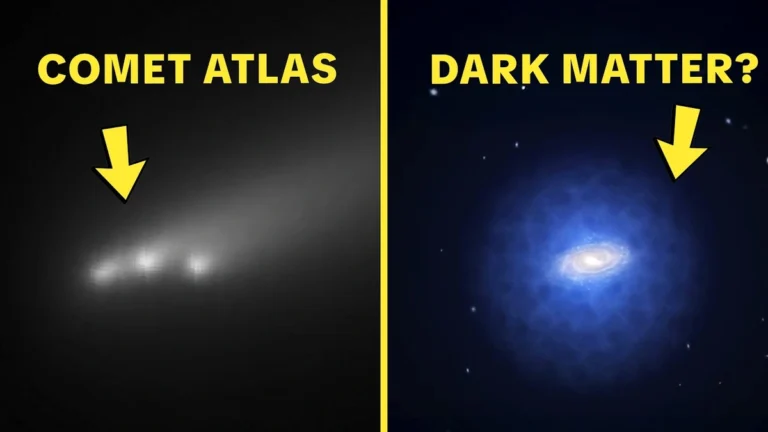
So, what exactly is it about 3I/ATLAS that has scientists scratching their heads? Several things, actually. First, its composition seems a bit off. Observations suggest it’s richer in certain elements than your average celestial objects . Second, its trajectory is…well, peculiar. It doesn’t quite fit the expected path for a comet originating from our solar system’s outer reaches. Third, its rate of disintegration has been unusual. Recent reportsindicate that it has been experiencing some peculiar outbursts and disintegration events.
These anomalies have led some to suggest (and I want to stress suggest we’re not jumping to conclusions here) that 3I/ATLAS might not be a comet at all. The alternative? That it could be some form of artificial object, perhaps even a piece of derelict alien technology. I initially thought this was straightforward, but then I realized this has to be tested.
The Alien Hypothesis | Separating Fact From Fiction
Now, let’s be clear: the alien technology hypothesis is a long shot. A very long shot. But it’s important to remember that science isn’t about dismissing possibilities out of hand. It’s about exploring all avenues, even the ones that seem outlandish, provided they are supported by even a sliver of evidence. Avi Loeb is a brilliant example of a scientist who pursues this sort of research.
As Carl Sagan famously said, “Extraordinary claims require extraordinary evidence.” And right now, the evidence for 3I/ATLAS being alien technology is, shall we say, lacking. However, that doesn’t mean we should stop looking. The search for extraterrestrial intelligence (SETI) is a legitimate scientific endeavor, and every unusual observation, like that of a strange interstellar object , is worth investigating.
Think about it: If we did discover evidence of alien technology, it would be the most profound discovery in human history. So, even if the odds are astronomical (pun intended), the potential payoff is too great to ignore.
How Scientists Are Studying 3I/ATLAS
So, how are scientists trying to unravel the mystery of 3I/ATLAS? Well, they’re using every tool at their disposal. Ground-based telescopes are being used to monitor its trajectory and composition. Space-based observatories, like the Hubble Space Telescope, are providing even more detailed images and spectroscopic data. Scientists analyzethe light reflected by 3I/ATLAS to determine what elements it contains. They also study its behavior as it interacts with the solar wind, the stream of charged particles constantly emitted by the Sun.
But perhaps the most crucial element is collaboration. Astronomers around the world are sharing their data and insights, working together to piece together the puzzle. It’s a testament to the power of scientific cooperation and a reminder that the quest for knowledge is a global endeavor.
And, let’s be honest, a little bit of healthy competition doesn’t hurt either. Different research teams are vying to be the first to publish groundbreaking findings about 3I/ATLAS, which helps to accelerate the pace of discovery.
The Future of 3I/ATLAS Research | What’s Next?
The story of 3I/ATLAS is far from over. As the object continues its journey through our solar system, scientists will have more opportunities to study it. New telescopes and instruments are being developed that will allow us to probe its secrets in even greater detail. But , even if we never definitively answer the question of whether 3I/ATLAS is a comet or something more exotic, the research it inspires will undoubtedly advance our understanding of the universe.
What fascinates me is that even the most mundane observation can lead to incredible insights. The ongoing exploration of our universe, including this mysterious object, can help unravel secrets and mysteries about our existence and our place in the vast cosmos. The journey to understand the unknown can lead to great discoveries and expand our knowledge of the natural world.
And who knows? Maybe, just maybe, one day we will find undeniable evidence of alien technology. But, until then, we’ll keep looking, keep questioning, and keep exploring.
The whole situation reminds me of the GTA series. Even though it’s a controversial topic, understanding its popularity can help give insights into culture. Even if it sounds crazy, it should be explored to understand why it’s interesting.
The bottom line? The mystery surrounding 3I/ATLAS is more than just a scientific curiosity; it’s a reminder of the vastness and wonder of the universe, and a testament to the power of human curiosity. It encourages the exploration of unidentified objects in space. So, the next time you look up at the night sky, remember 3I/ATLAS and ask yourself: what else is out there?
FAQ About Comets
What exactly is a comet?
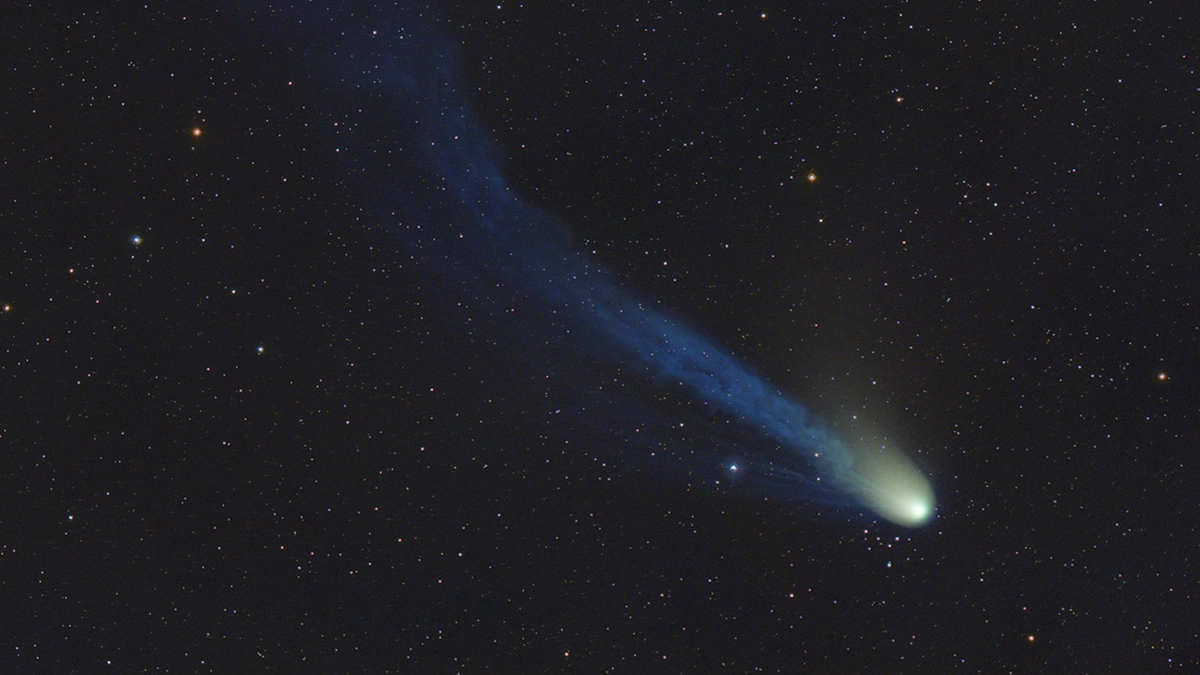
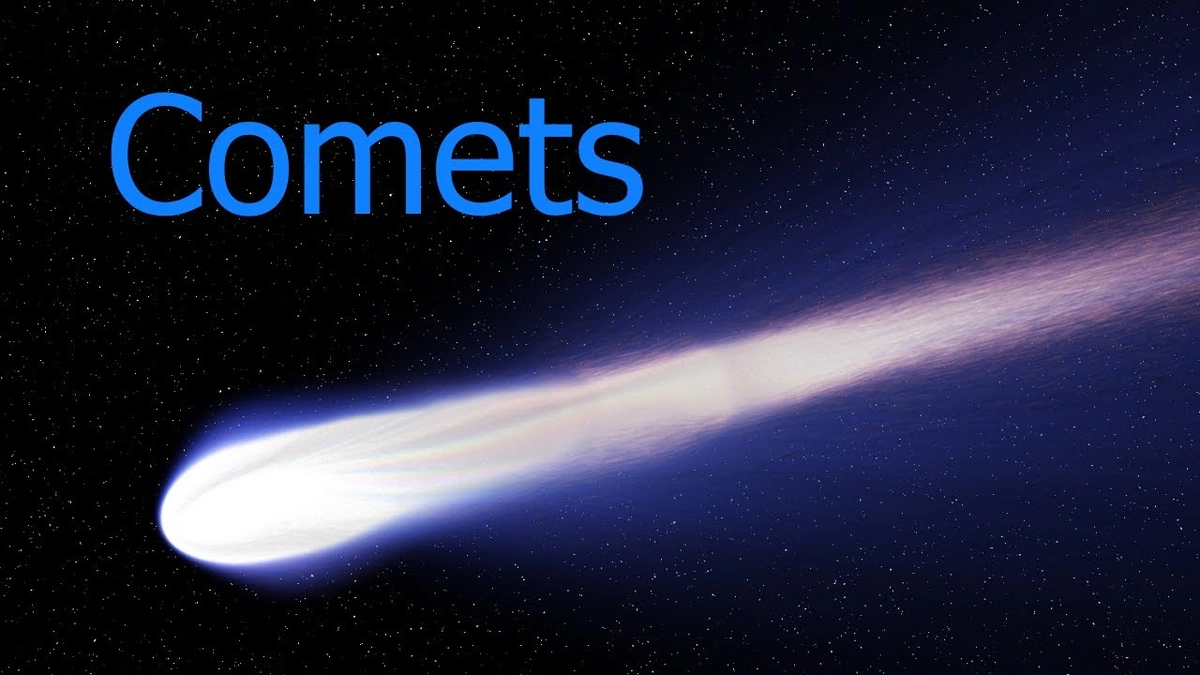
A comet is a celestial body, often described as a “dirty snowball,” composed of ice, dust, and rock. It orbits the Sun in a highly elliptical path, and as it approaches the Sun, it heats up and releases gases and dust, forming a visible atmosphere or coma, and sometimes a tail.
Are comets dangerous?
While a direct impact from a large comet could be catastrophic, the chances of such an event are extremely low. Most comets pose no threat to Earth. Astronomers constantly monitor comets and other near-Earth objects to assess any potential risks.
What’s the difference between a comet and an asteroid?
Comets are primarily composed of ice and dust, while asteroids are mainly rocky or metallic. Comets originate from the outer reaches of the solar system (the Kuiper Belt and Oort Cloud), while asteroids are typically found in the asteroid belt between Mars and Jupiter.
Can I see a comet with my naked eye?
Yes, bright comets can be visible to the naked eye, although this is a rare occurrence. Factors such as the comet’s size, its proximity to the Sun and Earth, and the darkness of the sky all affect its visibility.
About the Author