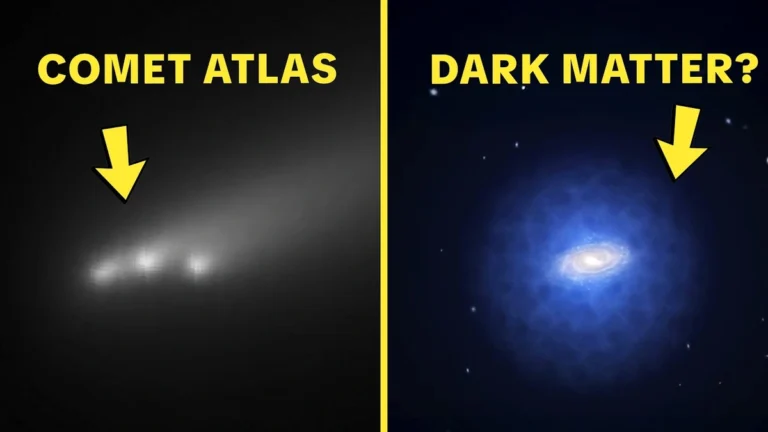
ISRO's 3I/Atlas Comet Image | Why It's HUGE!
Okay, so ISRO just dropped a stunning new image of the Interstellar Comet 3I/Atlas . But here’s the thing: why should we, sitting here in India, even care about some icy rock zipping through space? It’s not just a pretty picture; it’s a cosmic detective story unfolding right before our eyes, and ISRO is playing a key role. What fascinates me is how this comet, a visitor from another star system, can give us clues about the very formation of planets and the potential for life elsewhere. Let’s dive in, shall we?
Why 3I/Atlas Matters | A Cosmic Time Capsule
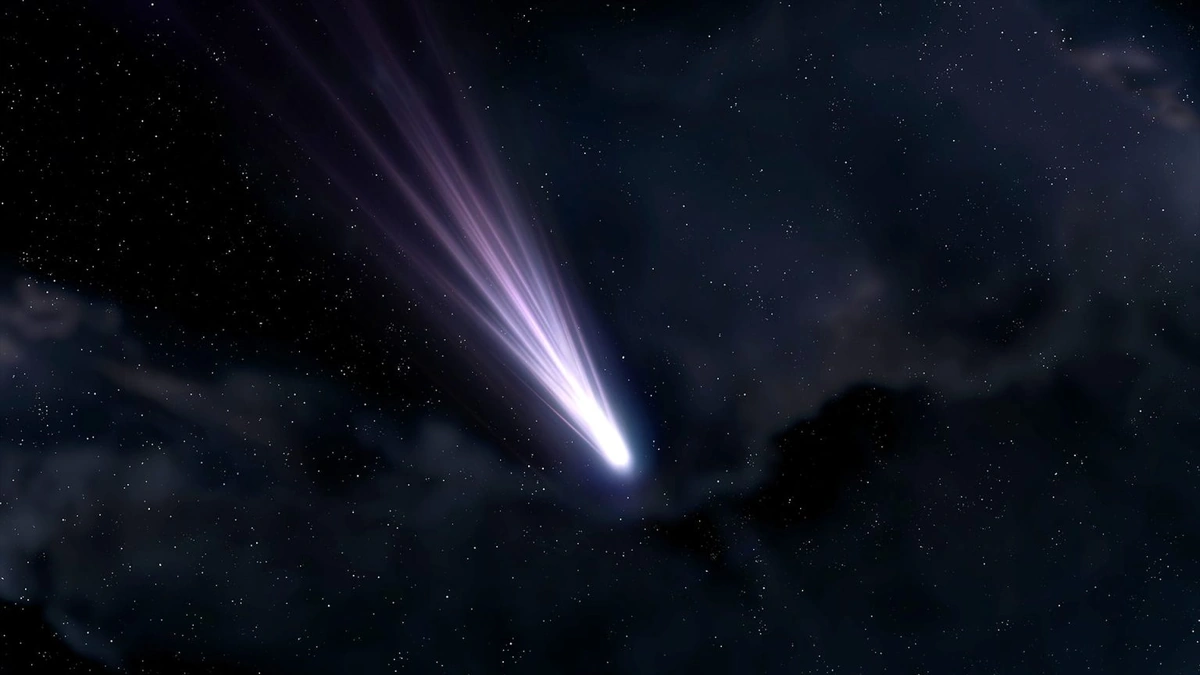
First, let’s be honest, comets are often called ‘dirty snowballs’. But that’s a bit unfair, isn’t it? They’re actually more like cosmic time capsules, preserving materials from the early days of star and planet formation. This particular comet, 3I/Atlas , is special because it originated outside our solar system. Think about it: this icy body has traveled unimaginable distances, carrying with it the secrets of another star system. Studying it is like getting a sneak peek at the building blocks of potentially habitable worlds light years away.
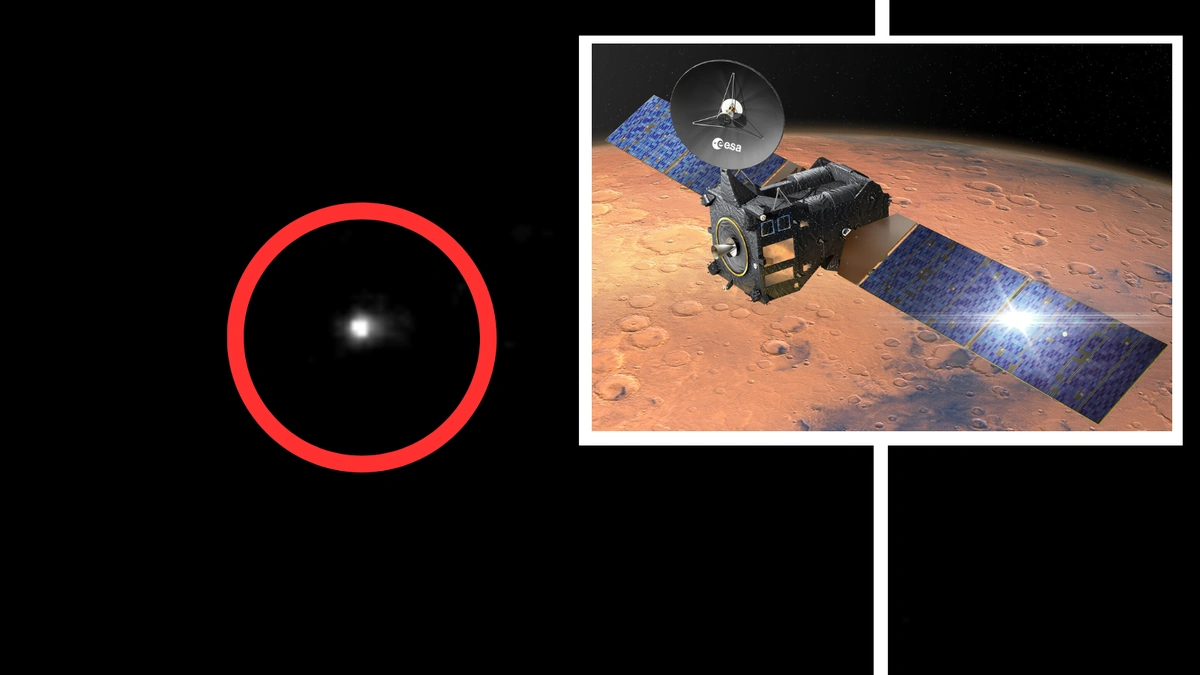
And ISRO’s observation? It’s not just about taking a nice photo. Detailed images allow scientists to analyze the comet’s composition, its behavior as it interacts with our Sun, and ultimately, to understand the conditions in its home star system. Every tiny detail ISRO is finding is so important. The behavior of Interstellar Comet 3I/Atlas can help scientists to know more about its origin and its composition. It can potentially help us determine what it passed through on its journey and how it was made in the first place. It is like looking at the Earth’s history from space to find out what happened in the past. ISRO’s role is crucial here because their unique observational perspective and advanced technology can provide data that complements observations from other telescopes around the world.
ISRO’s Unique Perspective | A Strategic Advantage
So, what’s the big deal about ISRO observing this comet? Well, geography matters. India’s location gives ISRO a distinct advantage in observing celestial events. Also, ISRO is not new in the space industry. It has had experience dealing with space and different problems coming from it. The agency’s telescopes, coupled with their expertise in data analysis, allow for detailed observations that might be difficult or impossible for observatories in other parts of the world. Plus, ISRO’s involvement elevates India’s status in the global scientific community. Space exploration is a collaborative effort, and ISRO’s contributions are vital for a complete understanding of 3I/Atlas. It’s like having a crucial piece of the puzzle that no one else has.
Decoding the Comet’s Composition | What Can We Learn?
Here’s where it gets really interesting. The composition of 3I/Atlas can reveal a lot about the environment in which it formed. What fascinates me is that this comet could be carrying prebiotic molecules – the building blocks of life. The fact that it’s an interstellar object means it could have seeded other star systems with these molecules. It is incredible! While it’s a long shot, the possibility that comets like 3I/Atlas played a role in the origin of life on Earth (or elsewhere) is a mind-blowing concept.
Analyzing the comet’s spectrum (the rainbow of light it emits) tells scientists what elements and molecules are present. By comparing this data with what we know about our solar system, we can start to see how different or similar the comet’s birthplace is. It’s like comparing two different recipes to see what ingredients they share and what makes them unique. The findings could challenge our current understanding of planet formation and the distribution of elements in the universe. This information can have huge implications for future research and space exploration
The Future of Comet Research | A Global Effort
The study of interstellar objects like 3I/Atlas is still a relatively new field. But with advancements in telescope technology and increased international collaboration, we’re on the verge of making groundbreaking discoveries. The European Space Agency (ESA) and NASA are also heavily involved in these types of researches using state of the art tech and methodologies. Future missions could even involve sending probes to intercept comets like 3I/Atlas, collecting samples, and bringing them back to Earth for detailed analysis.
This research requires resources from the international community, but will allow future generations to understand what exactly our universe is made of. Also, it can potentially teach us about past events from a very very long time ago. It is a long process to go through, but it is worth it since it can give us better understanding of our planet, solar system and the entire universe. Also, keep checking the official ISRO website for updates on their observations and findings. The journey of Interstellar Comet 3I/Atlas is far from over, and who knows what secrets it will reveal next?
FAQ Section
Why is it called 3I/Atlas?
The ‘3I’ indicates that it was the third interstellar object discovered. ‘Atlas’ refers to the telescope that initially spotted it.
How often do interstellar comets visit our solar system?
They’re relatively rare. Only a handful have been confirmed so far, making each one a valuable research opportunity.
Can 3I/Atlas collide with Earth?
No, its trajectory is well-defined, and there’s no risk of a collision.
What are scientists hoping to learn from studying 3I/Atlas?
Scientists are hoping to learn more about the composition of star systems other than ours.
Are there other interstellar objects being tracked?
Yes, astronomers are constantly searching for and tracking other interstellar visitors.
How can I stay updated on the latest findings about 3I/Atlas?
Follow ISRO’s website and other space news outlets for updates.
About the Author