
First Kiss Origin | A 21-Million-Year Secret?
Ever wondered about the first kiss origin ? It’s more than just a romantic gesture; it’s a deeply ingrained behavior that’s been around for millions of years. Let’s be honest, the history of kissing is far more fascinating than you might think. We’re not just talking about pecks on the cheek here; we’re diving deep into the evolutionary roots of this intimate act. What fascinates me is how something so personal can have such a universal and ancient history.
Primates, Pucker-Up | Unveiling the Ancient Roots
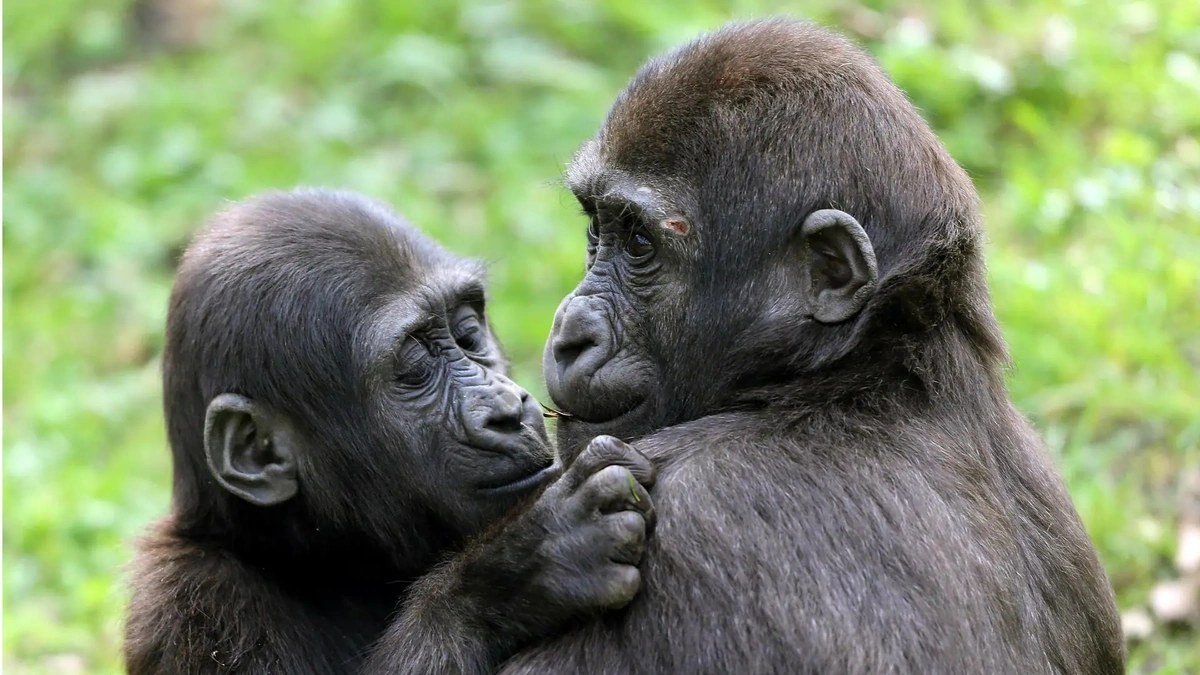
So, where does this lip-locking legacy actually begin? The story of kissing, as it turns out, isn’t a straightforward one. It’s a tangled web of evolutionary biology, cultural anthropology, and a whole lot of speculation. Scientists have been trying to figure out the history of kissing for ages, and the answers are still unfolding.
One leading theory suggests that kissing originated with primates. Think about it: primate mothers often pre-chew food for their young, passing it mouth-to-mouth. This isn’t exactly a passionate smooch, but it establishes a vital link between oral contact and nurturing. It’s a survival mechanism that evolved into something more. This kind of behavior is observed across many species of birds and mammals, further cementing this idea.
But, and this is a big but, that’s not the whole story. Some researchers argue that kissing is a learned behavior, one that spread through human populations relatively recently. I initially thought this was straightforward, but then I realized how cultural practices can dramatically change our understanding of innate behaviors.
The Hygiene Hypothesis and Kissing | A Surprising Twist
Now, let’s throw another wrinkle into the mix: the hygiene hypothesis. This theory suggests that exposure to microbes early in life is crucial for developing a healthy immune system. Could kissing be a way to exchange those vital microbes, essentially inoculating each other against potential threats? It’s a bit like a natural vaccine, passed on with a kiss. What’s particularly compelling is the evolutionary advantage this provides – stronger immunity, healthier offspring, and a greater chance of survival for the group as a whole.
Of course, there’s a darker side to this. Kissing can also transmit diseases, which is why understanding the potential risks is just as important as appreciating the evolutionary benefits. Think of it this way: kissing is a high-stakes game of microbial roulette. You’re swapping germs with someone, hoping that the benefits outweigh the risks.
The truth? Kissing is like a complex code that transmits all sort of data, from a person’s genetic compatibility to their current health and emotional state. A common mistake I see people make is thinking of kissing as just an enjoyable pastime. This overlooks the deeper biological and social implications of this universal act. So, next time you lean in for a kiss, remember you’re participating in an ancient ritual with far-reaching consequences. You should also check out Galaxy S Ultra .
Cultural Variations | A Global Perspective on the Kiss
While the biological roots of kissing might be ancient, the way we practice it varies wildly across cultures. In some societies, kissing is reserved for romantic partners, a private and intimate act. In others, it’s a common greeting, a sign of friendship and affection. What’s fascinating is how these cultural norms shape our understanding of kissing and its significance. Some cultures even find the idea of kissing repulsive or unhygienic.
And here’s the thing: even within a single culture, kissing can mean different things depending on the context. A peck on the cheek from your grandmother is very different from a passionate kiss with your partner. It all comes down to understanding the unspoken rules and social cues that govern our interactions. You might think that this is only applicable to the western world, but you are wrong, this spans all the corners of the earth! Also, don’t forget to check out GTA: Why It Matters .
The Romantic Kiss | A Relatively Recent Invention?
Interestingly, the romantic kiss – the kind we see in movies and read about in novels – might be a relatively recent invention. While kissing has been around for millions of years, the idea of it as a primary expression of romantic love seems to have emerged more recently in human history. This suggests that culture plays a significant role in shaping our romantic ideals and behaviors. We’ve all seen the movies and dramas filled with romance. It’s just a big part of our culture now.
But the truth is, romantic kissing is more than just a cultural construct. It’s a powerful bonding mechanism that releases hormones like oxytocin, often called the “love hormone.” This hormone promotes feelings of attachment, trust, and affection, strengthening the bond between partners. In essence, romantic kissing is a biological shortcut to intimacy, a way to accelerate the development of a deep and lasting connection.
Why Does Kissing Feel So Good? | The Science of Smooching
So, why does kissing feel so good? It’s not just the release of oxytocin; it’s a complex interplay of hormones, neurotransmitters, and sensory experiences. When you kiss someone, your brain goes into overdrive, processing a flood of information about your partner. The taste, smell, and touch all contribute to the overall experience, creating a unique and memorable sensation. The origin of kissing extends beyond just a simple physical act.
And, let’s not forget the role of pheromones. These chemical signals, released through sweat and other bodily fluids, can influence attraction and arousal. While the science of human pheromones is still evolving, there’s evidence to suggest that they play a role in our choice of partners. So, in a way, your nose knows! The feeling of a first kiss is unforgettable for a reason. In simple terms, a kiss is not just lip to lip but also mind to mind.
FAQ | Unlocking the Mysteries of the Kiss
Frequently Asked Questions
Why do we close our eyes when we kiss?
Closing your eyes reduces sensory overload, allowing you to focus on the physical sensations of the kiss.
Is kissing good for your health?
Yes! Kissing can boost your immune system, reduce stress, and even burn calories.
Can kissing spread diseases?
Yes, it can. Practice good hygiene and be mindful of potential risks.
What if I’m a bad kisser?
Practice makes perfect! Communication with your partner is key.
Does everyone kiss the same way?
No! Kissing styles vary widely based on culture, personal preference, and relationship.
Is there a universal definition of a ‘good’ kiss?
Not really! What makes a good kiss is subjective, but generally involves connection, comfort, and pleasure.
In conclusion, the origin of kissing is a complex and multifaceted story, one that spans millions of years and countless cultures. It’s a behavior that’s deeply ingrained in our biology, shaped by our cultural norms, and driven by our primal desires. So, the next time you kiss someone, take a moment to appreciate the incredible history and significance of this simple, yet profound act. It’s a biological imperative wrapped in a social custom, and that’s what makes it so uniquely human. Always remember to know the evolution of kissing .
About the Author