Cancer Awareness Day | What India MUST Know!
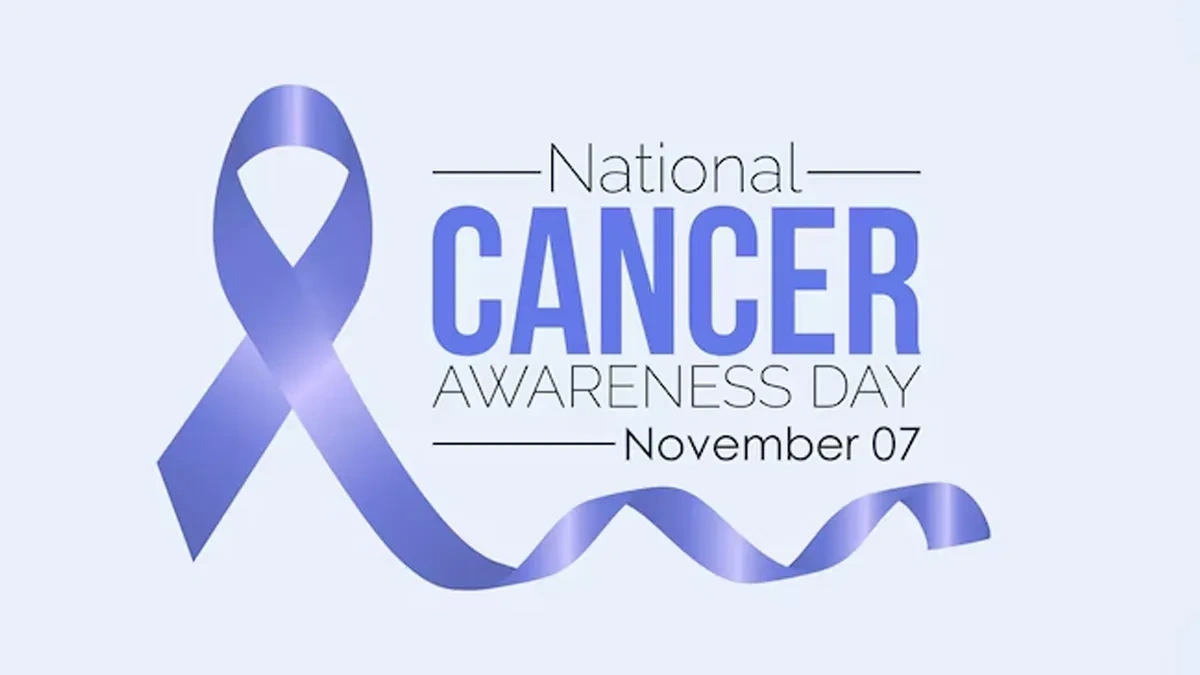
National Cancer Awareness Day. We’ve all heard of it, right? Maybe seen a poster or a social media post. But let’s be honest, it often feels like just another awareness day lost in the noise. But here’s the thing: this one actually matters, and it matters a whole lot, especially in India. Why? Because when it comes to cancer, early detection isn’t just a good idea; it’s often the difference between life and death.
What fascinates me is how little we focus on the “why” behind this day. It’s not just about wearing a ribbon or sharing a statistic. It’s about understanding the real-world impact of delayed diagnoses and the power we have to change that narrative. Let’s dive into why National Cancer Awareness Day is crucial, and what concrete steps we can take to make a difference.
The Stark Reality: Cancer in India
India faces a unique set of challenges when it comes to cancer. According to recent reports, cancer is among the leading causes of death in India. What’s even more concerning is that a significant proportion of cases are detected at a late stage. This late detection dramatically reduces the chances of successful treatment and survival. We have to take it seriously. The reasons for this are complex – ranging from a lack of awareness and access to screening facilities, to cultural stigmas and economic constraints. The truth is it’s a complex issue and a simple slogan isn’t going to cut it. It’s important that the public understand the significance of cancer prevention.
But, and this is a big but, this isn’t a hopeless situation. Far from it. National Cancer Awareness Day serves as a critical reminder that early diagnosis can significantly alter the course of the disease. The key is to shift our focus from reactive treatment to proactive prevention and early detection. That’s one of the core goals of National Cancer Awareness Day.
Why Early Detection Changes Everything
So, why is early detection so important? Think of it like this: cancer is like a fire. The smaller the fire, the easier it is to put out. The earlier cancer is detected, the more treatment options are available, and the higher the chances of successful outcomes. It also translates to less aggressive treatment, which can significantly improve the quality of life for patients. Not to mention it also potentially reduces the burden and cost of long-term care. In other words, cancer screening is an investment and not an expense. That’s also one of the critical topics discussed on National Cancer Awareness Day,
Let me rephrase that for clarity. Early detection isn’t just about finding cancer sooner; it’s about giving people a fighting chance. It’s about empowering them to make informed decisions about their health and treatment.
Practical Steps You Can Take Today
Okay, so we know early detection is vital. But what can you actually do? Here’s the thing: it’s not about grand gestures; it’s about small, consistent actions that add up over time. It’s important to learn how to recognize early signs of cancer.
First, be aware of your body. Pay attention to any unusual changes – a persistent cough, unexplained weight loss, a lump, or a change in bowel habits. Don’t dismiss these symptoms as minor ailments. Consult a doctor, even if you think it’s nothing. Second, get screened regularly. Talk to your doctor about the appropriate cancer screening tests for your age, gender, and family history. Common screening tests include mammograms for breast cancer, Pap tests for cervical cancer, and colonoscopies for colorectal cancer. As per the guidelines mentioned in the information bulletin, people should get screened every 1 to 3 years. Third, adopt a healthy lifestyle. This means eating a balanced diet, exercising regularly, maintaining a healthy weight, and avoiding tobacco and excessive alcohol consumption. These habits can significantly reduce your risk of developing cancer.
I initially thought this was straightforward, but then I realized that, for many in India, access to these resources is a major barrier. That’s where community initiatives and government programs come in. Support organizations that are working to raise awareness, provide screening services, and improve access to treatment in underserved communities. It’s a community effort.
The Role of Technology in Early Detection
What fascinates me is how technology is rapidly changing the landscape of cancer detection. From advanced imaging techniques to liquid biopsies that can detect cancer cells in the blood, technology is providing us with more powerful tools than ever before. Artificial intelligence is also playing a crucial role in analyzing medical images and identifying subtle signs of cancer that might be missed by the human eye. According to recent studies, AI-powered diagnostic tools can improve the accuracy and speed of cancer detection, leading to earlier and more effective treatment.
But there are challenges too. The cost of these technologies can be prohibitive, and access is often limited to urban areas. Bridging this gap is essential to ensure that everyone, regardless of their socioeconomic status or location, can benefit from these advancements. National Cancer Awareness Day offers an opportunity to advocate for policies that promote equitable access to cancer screening and treatment.
Moving Forward: A Call to Action
National Cancer Awareness Day isn’t just a day to remember; it’s a day to act. It’s a day to renew our commitment to fighting cancer through prevention, early detection, and improved treatment. It’s a day to educate ourselves and our communities about the importance of taking proactive steps to protect our health. Let’s make this day more than just a symbolic gesture. Let’s use it as a catalyst for real change. It’s up to us to spread awareness of cancer symptoms and encourage our families and friends to get checked.
Because when it comes to cancer, knowledge is power, and early detection is hope. And in a country as diverse and vibrant as India, that hope is something we can all share. If you need resources, then look to trusted websites like National Cancer Institute .
FAQ Section
Frequently Asked Questions About Cancer Awareness
What are the most common types of cancer in India?
The most common types include breast, cervical, oral, lung, and colorectal cancer.
How often should I get screened for cancer?
Screening frequency depends on your age, gender, family history, and risk factors. Consult your doctor for personalized recommendations.
What are the early signs and symptoms of cancer?
Unexplained weight loss, persistent cough, changes in bowel habits, lumps, and fatigue are all potential signs.
Can lifestyle changes really reduce my risk of cancer?
Yes! A healthy diet, regular exercise, and avoiding tobacco and excessive alcohol can significantly lower your risk.
Where can I find affordable cancer screening services?
Many government and non-profit organizations offer subsidized or free screening programs.
What is the importance of regular self-exams?
Regular self-exams for breast, skin, and testicles help you become familiar with your body and detect any unusual changes early.
About the Author