Supermoon Alert | Biggest of Year!
Alright, skygazers, gather ’round! November is bringing us a supermoon so spectacular, it’s got even the seasoned astronomers buzzing. But here’s the thing – why should you care? It’s not just about a pretty sight in the sky; it’s about connecting with something bigger than ourselves, a cosmic dance that’s been happening for billions of years. Let’s dive into the details, shall we?
Why This Supermoon Is a Big Deal
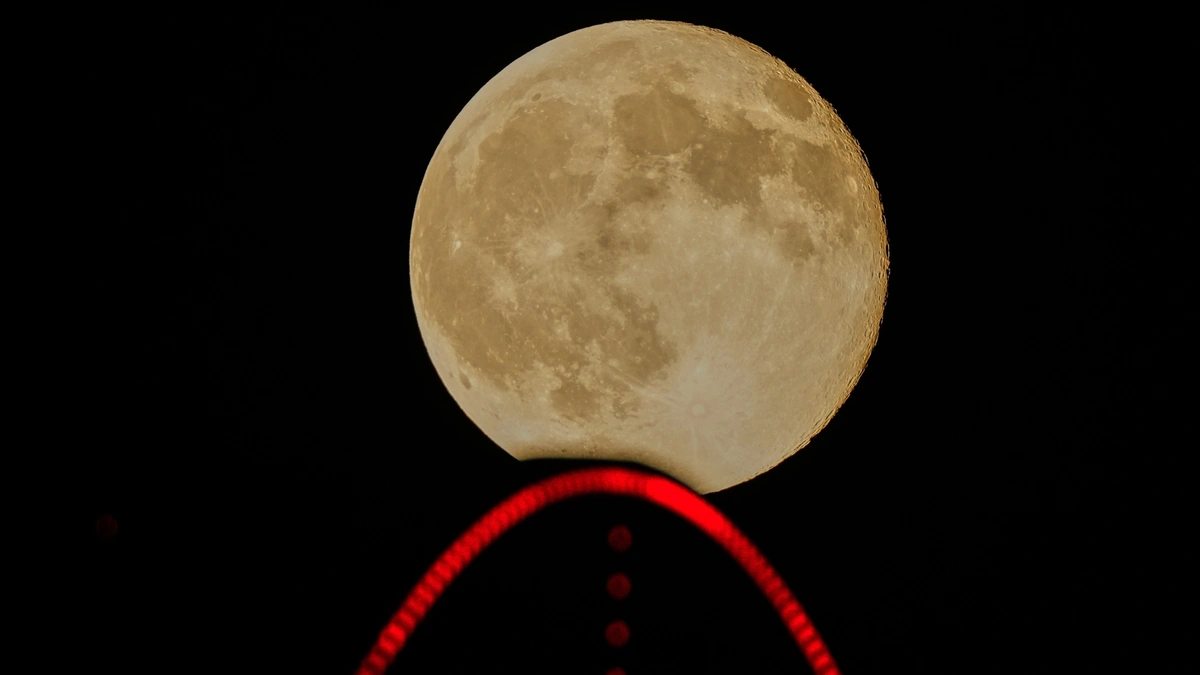
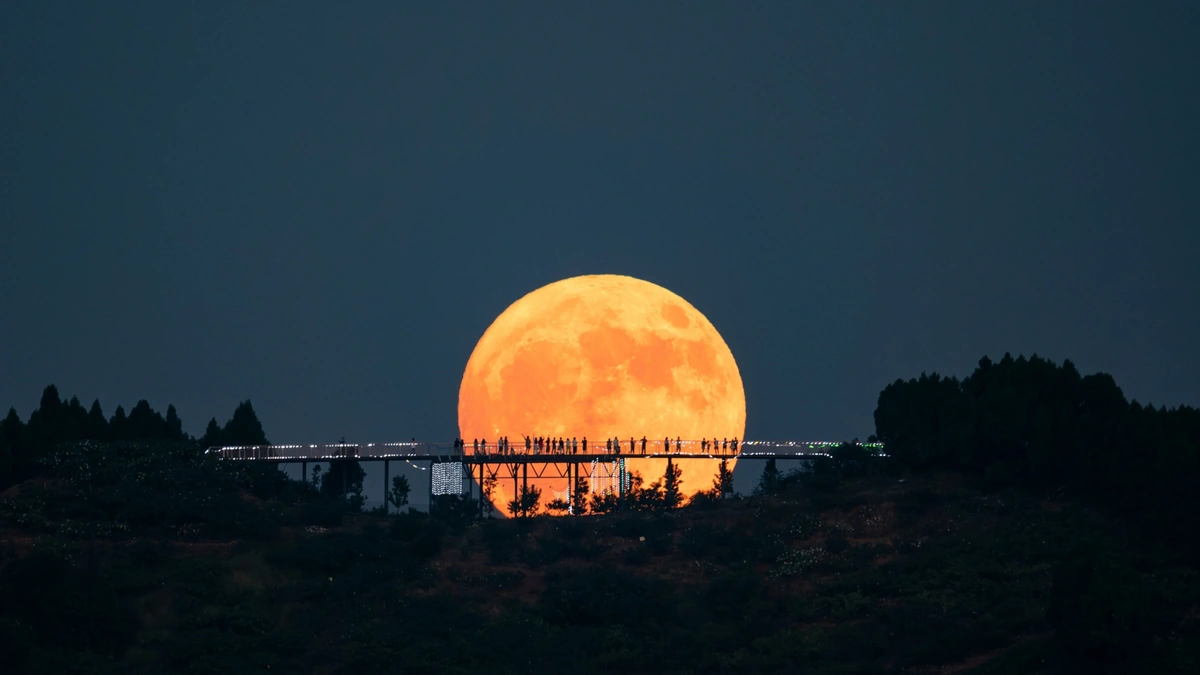
So, what makes this particular supermoon event so special? Well, a supermoon occurs when the full moon coincides with the point in its orbit where it’s closest to Earth (known as perigee). This makes the moon appear significantly larger and brighter than your average full moon. According to NASA , it can be up to 14% bigger and 30% brighter! But this November’s supermoon? It’s predicted to be the biggest and brightest of the entire year. That’s quite a show!
But there’s more to it than just aesthetics. Supermoons often stir up a sense of wonder and awe. Think about it – for millennia, humans have looked up at the moon and felt a connection to something beyond their daily lives. This is a chance to tap into that feeling, to contemplate our place in the universe. I remember once, during a particularly vivid supermoon, I was walking along the beach, and the moonlight was so intense, it felt like daytime. It was an almost spiritual experience. You might find something similar, if you let yourself.
How to Get the Best View of the Supermoon
Okay, now for the practical stuff. How do you actually see this celestial spectacle? First, you’ll want to find a spot away from city lights. Light pollution is the enemy of stargazers. The darker your surroundings, the better the view. A common mistake I see people make is thinking they need a telescope. While a telescope can enhance the view, it’s not necessary for seeing a supermoon. Your own two eyes will do just fine! Binoculars can also be a great option.
Check your local weather forecast, too. Obviously, a clear night is essential. And while the supermoon visibility will be best on the night it peaks, it’ll still look pretty impressive for a few nights before and after. So, if you miss it on the exact date, don’t fret! If you’re thinking about photographing the lunar perigee , remember to use a tripod. A stable camera is key to capturing those crisp, breathtaking shots.
The Science Behind the Supermoon Phenomena
Let’s get a little geeky, shall we? The moon’s orbit around Earth isn’t a perfect circle; it’s an ellipse. That’s why we have varying distances between the Earth and moon. When a full moon occurs at or near the perigee – the closest point – boom, you get a supermoon. It’s all about celestial mechanics. What fascinates me is how predictable these events are, thanks to centuries of astronomical observations. It’s a testament to human curiosity and our drive to understand the cosmos.
The term “supermoon” itself isn’t exactly scientific; it’s more of a popular term. Astronomers often use the term “perigee syzygy” – which, let’s be honest, doesn’t exactly roll off the tongue. The important thing is understanding the underlying science. And, understanding the science gives you a better appreciation for the spectacle.
Supermoon’s Cultural Significance Throughout History
The moon has been a source of fascination and mythology for cultures around the world for millennia. From ancient lunar calendars to stories of lunar deities, the moon’s influence is deeply woven into our collective human experience. In many cultures, the full moon is associated with heightened emotions, intuition, and even madness (hence the term “lunatic”). The supermoon’s increased brightness and size likely amplified these beliefs.
What’s interesting is how different cultures interpret the supermoon astrology . Some see it as a time of great opportunity and manifestation, while others view it as a period of heightened emotional sensitivity. Whatever your beliefs, there’s no denying that the moon holds a powerful sway over our imaginations. And you know what else holds sway? Comets!
Preparing for the Next Supermoon | A Guide
While this November’s supermoon will be the biggest and brightest of the year, it certainly won’t be the last! Keep an eye on astronomical calendars and plan ahead for future celestial events. Download a stargazing app to help you identify constellations and planets. And most importantly, share the experience with others. Gather your friends and family, find a cozy spot, and marvel at the beauty of the night sky. It’s these shared moments that make life truly special.
So, get ready to look up! This November’s supermoon is more than just a visual treat; it’s an opportunity to connect with the cosmos, with history, and with each other. And who knows, you might just have a near-spiritual experience, like I did that night on the beach. The supermoon is a gift, so enjoy it.
FAQ About Supermoons
What exactly is a supermoon?
A supermoon happens when a full moon coincides with the moon’s closest approach to Earth in its orbit.
How much bigger and brighter does a supermoon appear?
A supermoon can appear up to 14% bigger and 30% brighter than a regular full moon.
Do I need special equipment to see the supermoon?
No, you don’t need a telescope! Your eyes are perfectly capable of enjoying the view, but binoculars can enhance the experience.
What’s the best way to photograph the supermoon?
Use a tripod to keep your camera steady and capture clear, crisp photos.
Are supermoons dangerous or do they affect me?
There’s no credible scientific evidence to suggest that supermoons have any direct physical effects on humans. Some people believe they can influence emotions, but that’s more of a cultural belief than a scientific fact.
Will there be another supermoon soon?
Yes! Supermoons happen regularly. Keep an eye on astronomical calendars for upcoming dates.
About the Author