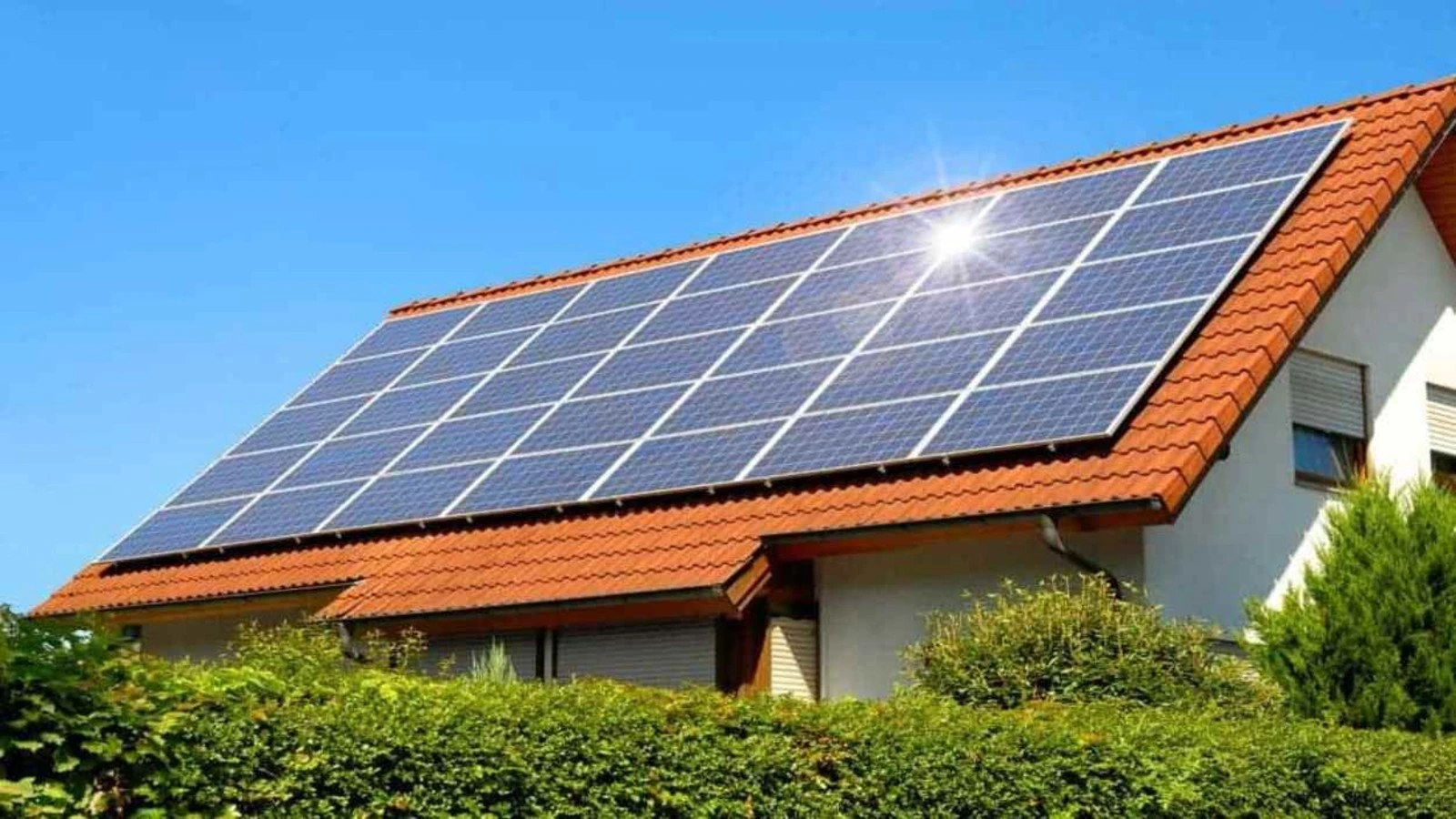
The transition to renewable energy is no longer a futuristic dream it is a modern financial reality. For most homeowners, the decision to go green usually starts with an important question: What is the real cost of solar panels?
Over the last decade, the solar energy industry has undergone a massive change. As technology has improved and production has increased, the entry price has dropped significantly, making solar energy more accessible than ever. However, calculating the total investment involves much more than looking at the price tag of a piece of hardware. This requires an understanding of installation variables, equipment quality and long-term financial incentives. We’ll break down the cost of solar panels in detail to help you determine if this investment is right for your home and your budget.
Understand the initial cost of solar panels
When people discuss the cost of solar panels, they usually refer to “cost per watt.” Before incentives, residential solar systems in the United States cost on average between $2.50 and $3.50 per watt. For a standard 6kW to 10kW system, the initial investment is $15,000 to $30,000.
However, it is important to remember that you are not just buying glass and silicone. The total cost of solar panels includes several different categories:
- Hardware (equipment): This includes the panels themselves, inverters, rack systems and wiring.
- Work: Professional installation is important for warranty compliance and safety.
- Permitting and interconnection: Fees paid to local authorities and energy companies to ensure your system is legal and secure.
- Operating costs: These include marketing, sales and administration costs incurred by the solar supplier.
Although the initial numbers may seem high, the introduction of the federal Investment Tax Credit (ITC) can reduce the overall cost of solar panels by as much as 30%, making the net price more manageable.
Factors affecting the cost of solar panels
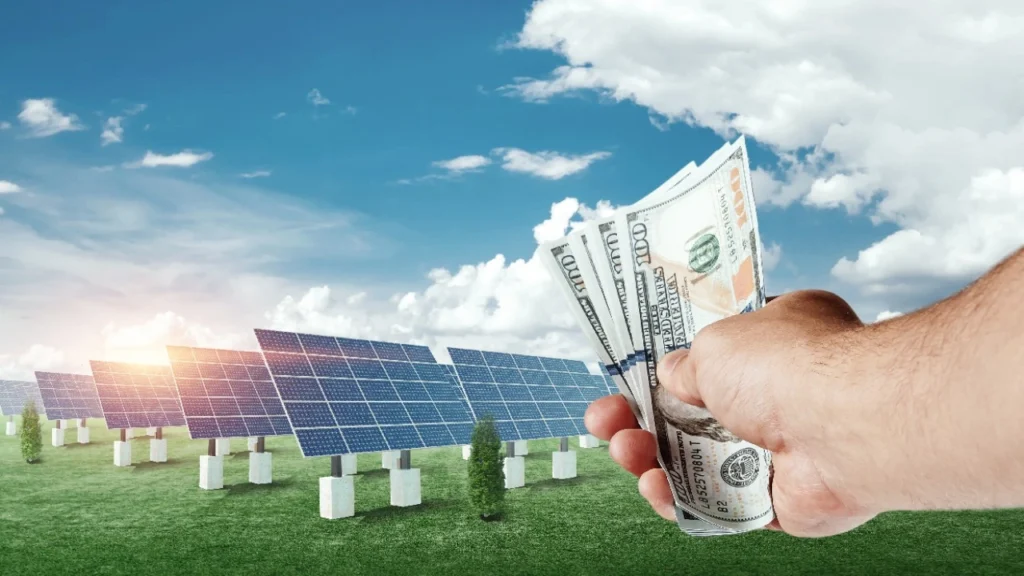
No two solar installations are exactly the same. Several variables can drive the price up or down depending on your specific needs.
Energy demand
The more electricity you use, the more panels you need. A home that runs central air conditioning, electric vehicle chargers and heavy appliances will need a larger system, increasing the overall cost of solar panels.
Roof Characteristics
The complexity of your roofing plays a big role in labor costs. It is cheapest to work on a standard asphalt shingle roof with an easy pitch. Conversely, if you have a steep roof tile or more rafters, the installation will be more labor intensive. In some cases, homeowners may choose flexible solar panels if they have a special roof shape or lightweight structure that a traditional rigid frame cannot support.
Equipment quality and technology
Not all panels are created equal. High efficiency panels take up less space but cost more per watt. Advanced construction, such as the comet 3i/atlas composition found in high-performance modules, ensures the panels can withstand extreme weather while maintaining high energy conversion rates. Investing in better materials often results in better long-term performance, although it increases the initial cost of solar panels.
Beyond the Roof: Unique solar solutions
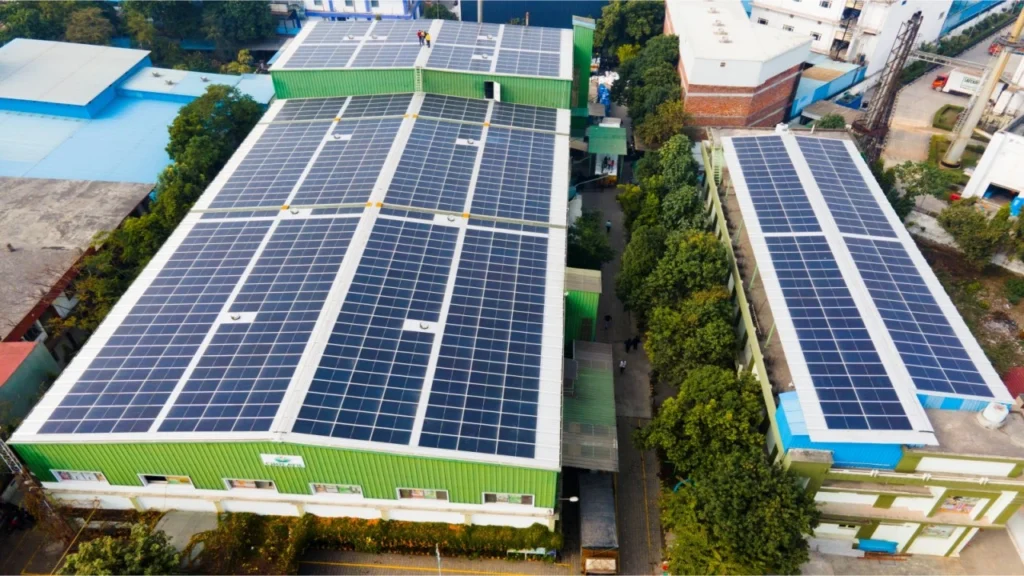
While rooftop solar is most common, the market for portable and niche solar is also growing. These options follow a different pricing model than traditional home businesses.
RV solar panels have become a staple for those who enjoy life on the road. These systems allow passengers to run lights, fans and appliances without the need for noisy generators. Because these systems are small and often do-it-yourself, the cost of solar panels is quite low, typically from $500 to $2,000 depending on battery capacity.
If you’re looking for an easy way to get started, a solar panel kit can be an excellent entry point. These kits usually include a panel, a charge controller, and the necessary cables, often featuring advanced sensors that mirror the high-precision technology used when an Interstellar Comet Captured the world’s attention. They are perfect for sheds, workshops, or small off-grid cabins. While a kit reduces the labor-related cost of solar panels, it requires a certain level of technical skill to install it safely.
Incentives and tax credits: Reducing the cost of solar panels
The most important factor in reducing the cost of solar panels today is the Federal Solar Tax Credit. Under current law, homeowners can deduct 30% of the total cost of their solar system from their federal taxes.
Example of savings:
- Gross system cost: $20,000
- Federal Tax Credit (30%): -$6,000
- Net cost of solar panels: $14,000
In addition to federal credits, many states offer their own rebates, and some utilities offer performance-based incentives (PBIs), where they pay you for every kilowatt-hour your system produces. When you combine these with ‘net metering’ where you sell excess power back to the grid the cost of solar panels often pays for itself in 6 to 9 years.
Long life and sustainability of modern solar energy technology
When considering the cost of solar panels, it is important to look at the lifespan of the equipment. Most modern panels come with a 25-year production guarantee. This means that after the system has paid for itself through energy savings, you will essentially enjoy “free” electricity for 15 to 20 years.
The materials used in modern construction are designed to “set and forget.” Whether you use traditional silicon wafers or specialized flexible solar panels for unique applications, the durability of the glass and framing is tested against high-velocity hail and heavy snow loads. Given the massive shift toward renewable energy, many entrepreneurs believe that establishing a green consultancy is among the Best Business Ideas in India today, as it helps locals optimize the cost of solar panels for their homes. The structural integrity provided by the comet 3i/atlas composition in advanced panels ensures that the internal cells are protected from microscopic cracks, which are the main cause of strength degradation over time.
Are the costs of solar panels worth it?
The short answer is yes. Although the initial cost of solar panels can be daunting, the long-term benefits are undeniable. By protecting yourself against the rising cost of electricity, you are essentially paying for 25 years of electricity at a fixed price.
In addition, solar panels increase the resale value of your home. Studies have shown that homes with a solar cell installation sell faster and for more money than homes without a solar cell installation. When you factor in tax credits, monthly utility savings, and increased home equity, the cost of solar panels becomes one of the most productive investments a homeowner can make.
For those not ready for a full home installation, starting small with rv solar panels or a portable power station can provide a taste of energy independence. Whether you’re looking for a full-scale roof rack or a simple setup for your weekend adventures, technology is more reliable and affordable than ever.
Frequently Asked Questions (FAQ)
1. What is the total cost of solar panel?
The total cost of solar panels for a standard residential installation typically ranges from $15,000 to $30,000 when taking into account federal tax credits and incentives.
2. Is 3 kW enough to run a house?
A 3 kW system is usually enough to power a small, energy efficient household of 1-3 people, producing approximately 12-15 units of electricity per day.
3. What is the 20% rule for solar panels?
The “20% rule” in the solar industry generally refers to one of two important concepts: a size buffer for energy loss or a specific safety regulation in the National Electrical Code (NEC).
4. Can I run AC with a solar panel?
Yes, you can absolutely run an air conditioner (AC) using solar energy, but it requires an entire system rather than just a panel. Because AC units are high-load equipment, you typically need an array of 6 to 12 panels (about 3 kW to 5 kW) to generate enough power to start and maintain the compressor.
5. How many solar panels are required for 1 ton AC?
To run a 1-ton air conditioner, you usually need 5 to 7 solar panels, assuming the power of each panel is 350W to 400W.
About the Author