Mars Dust Devils Spark Lightning! What It Means
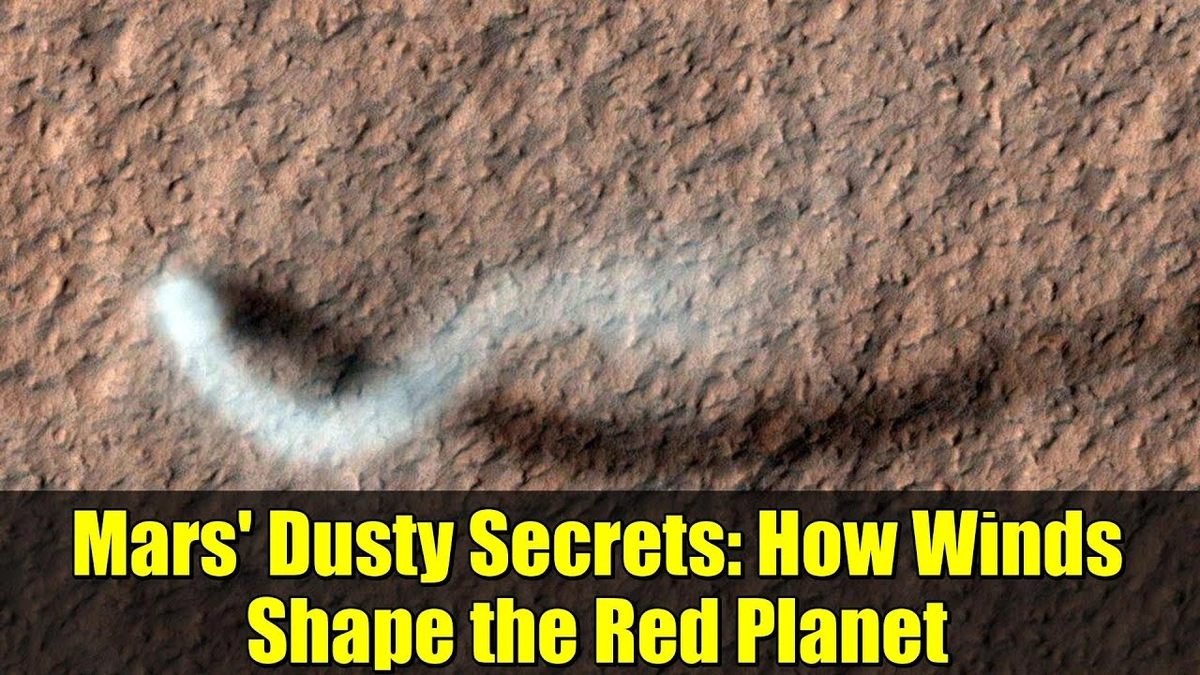
Hold on to your spacesuits, folks, because Mars just got a whole lot more electrifying! We all know about those swirling dervishes of dust Mars dust devils dancing across the Martian landscape. But what if I told you they’re not just kicking up dust? They’re also sparking lightning. Yes, you read that right. Lightning. On Mars. Caused by dust devils.
I initially thought, “Okay, interesting weather phenomenon.” But then I realized the implications are huge. This isn’t just a quirky headline; it’s potentially rewriting our understanding of Martian atmospheric processes, and maybe even the planet’s history. Let’s dive into why this is such a big deal, shall we?
The Shocking Science Behind Martian Lightning
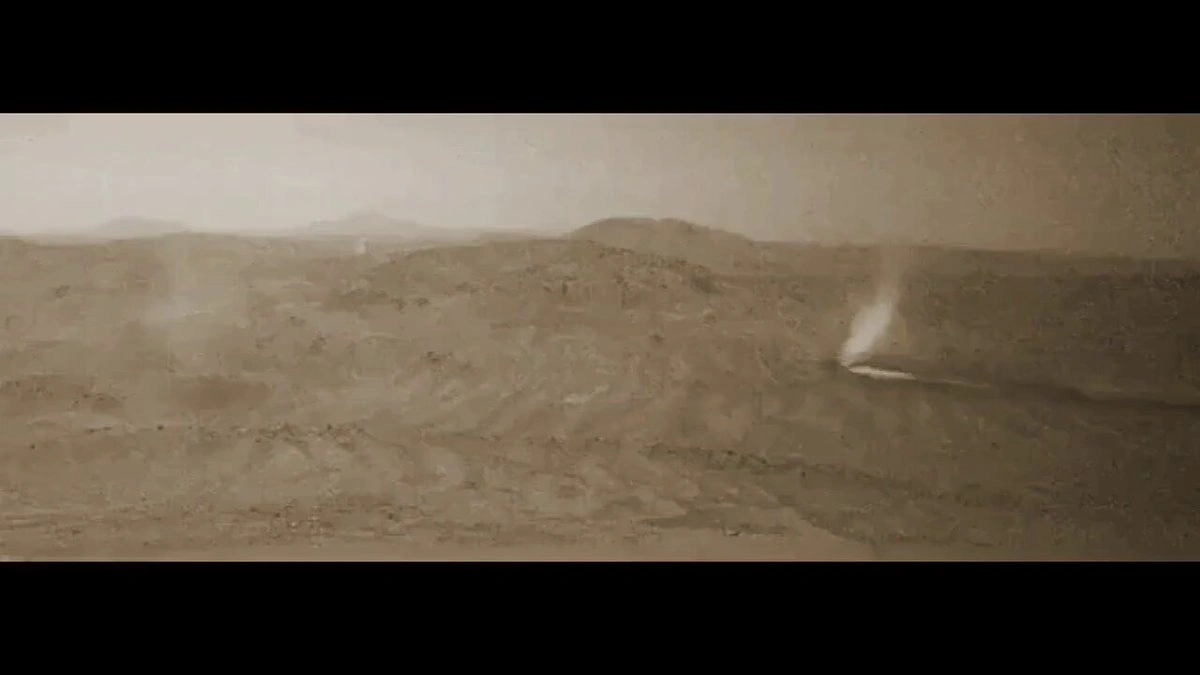
So, how do dust devils generate lightning on Mars? It’s all about triboelectric charging – a fancy term for what happens when certain materials become electrically charged after they separate from each other. Think of rubbing a balloon on your hair and making it stick to the wall. Similar principles are at work within a Martian dust devil.
As dust particles swirl and collide within the vortex, they exchange electrons, leading to a separation of charge. The lighter, positively charged particles rise to the top of the dust devil, while the heavier, negatively charged particles remain closer to the ground. This separation creates a powerful electric field. And when that electric field becomes strong enough – BAM! You get a spark, a miniature lightning bolt zapping within the dust devil. This is somewhat akin to how lightning is formed in thunderstorms on Earth, only on a smaller, dustier scale. You can read about other planetary phenomena at moon origin theory .
Why This Discovery Matters (A Lot!)
Here’s the thing: this discovery isn’t just about cool special effects on the Red Planet. It has far-reaching implications. For starters, it tells us that the Martian atmosphere is more dynamic and electrically active than we previously thought. Understanding these electrical processes is crucial for future Mars missions.
Think about it. Any equipment we send to Mars needs to be shielded from potential electrostatic discharge (ESD) events caused by these lightning-producing dust devils. A single spark could fry sensitive electronics, potentially crippling a rover or even endangering a future crewed mission. Scientists might even have to consider building lightning rods on Martian habitats. What fascinates me is how this seemingly minor discovery could drastically alter mission planning. We must also consider the Martian atmosphere and how it contributes to the formation of these dust devils.
But there’s more. The electrical activity generated by dust devils could also play a role in the chemical composition of the Martian atmosphere. Lightning can break down molecules and create new ones, potentially influencing the planet’s overall chemistry and, who knows, maybe even impacting the potential for life. These lightning events on mars are extremely fascinating.
Could This Mean Life on Mars?
Okay, let’s not get ahead of ourselves. This discovery doesn’t automatically mean there’s life hiding under a Martian rock. But it does add another piece to the puzzle. We know that water, another necessity for life as we know it, exists on Mars in the form of ice. And now we know that there’s also electrical activity. Could these two factors combine to create environments where simple organic molecules could form? It’s a tantalizing possibility, and one that scientists will be eagerly investigating.
The key here is energy. Lightning provides a burst of energy that could kick-start chemical reactions that wouldn’t otherwise occur. On Earth, lightning is thought to have played a role in the origin of life, and a similar process might be possible on Mars. The idea is that, just like Earth, electrical charges on Mars are capable of creating the necessary chemical reactions for organic compounds.
As per the guidelines mentioned in various research papers, more data is needed to confirm the presence of complex organic molecules produced by this electrical activity.
Dust Devils | More Than Just Martian Whirlwinds
Let me rephrase that for clarity. Dust devils are far more influential on the Martian landscape than we initially believed. They’re not just windblown columns of dust. They’re electrical dynamos, shaping the atmosphere, potentially influencing the planet’s chemistry, and maybe, just maybe, holding a key to understanding the potential for life on Mars. These planetary dust storms are far more complex than initially thought.
The more we learn about Mars, the more complex and fascinating it becomes. It’s a reminder that even seemingly simple phenomena, like dust devils, can have profound implications. And it highlights the importance of continued exploration and research. Who knows what other surprises Mars has in store for us? Perhaps this is why NASA is launching new missions like the Mars Sample Return mission.
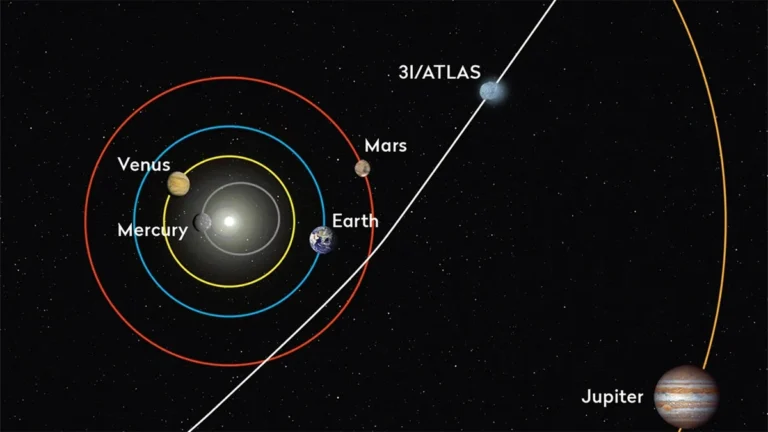
And, scientists believe Martian dust is far more fine and abundant than any other surface on another planet in our solar system. We must also consider how dust devils affect interstellar comet nasa data .
FAQ About Martian Dust Devils and Lightning
Could these lightning storms affect future Mars colonies?
Absolutely. The electrostatic discharge from these lightning events could damage or destroy sensitive electronic equipment. Protecting habitats and rovers from these electrical surges will be a crucial design consideration for any future Martian settlement.
Are these dust devils similar to Earth dust devils?
While the basic principle is the same, Martian dust devils can be much larger and last longer than their terrestrial counterparts. The lower atmospheric pressure on Mars also allows them to reach greater heights.
What if I want to see these Martian dust devils?
Unfortunately, you can’t see the lightning directly with current rover cameras. However, scientists use sophisticated instruments to detect the electrical fields generated by the dust devils. Images of the dust devils themselves are captured regularly by rovers and orbiters.
Is the discovery of lightning due to dust devils new?
While the existence of dust devils on Mars has been known for a long time, the connection to lightning is a more recent discovery. Ongoing research continues to refine our understanding of this phenomenon.
How do scientists study these dust devils from so far away?
Scientists use a combination of rovers on the ground, orbiting satellites, and computer models to study Martian dust devils. Each provides a unique perspective on these fascinating phenomena.
So, the next time you see a swirling dust devil here on Earth, remember that its Martian cousins might be putting on a lightning show! And who knows, maybe one day we’ll be able to witness it firsthand.
About the Author