Cricket Craze | Why India's Obsession?
Cricket. The word itself conjures up images of packed stadiums, nail-biting finishes, and the collective roar of a billion-plus fans. But here’s the thing: it’s more than just a game in India. It’s an emotion, a religion, a unifying force. But why? Why does cricket hold such a powerful grip on the Indian psyche? That’s what we’re diving into today. Forget the scores and the latest headlines for a moment. Let’s get to the heart of it. I mean, what fascinates me is not just the game itself, but what the game represents.
The Historical Wicket: From Colonial Past to National Pride
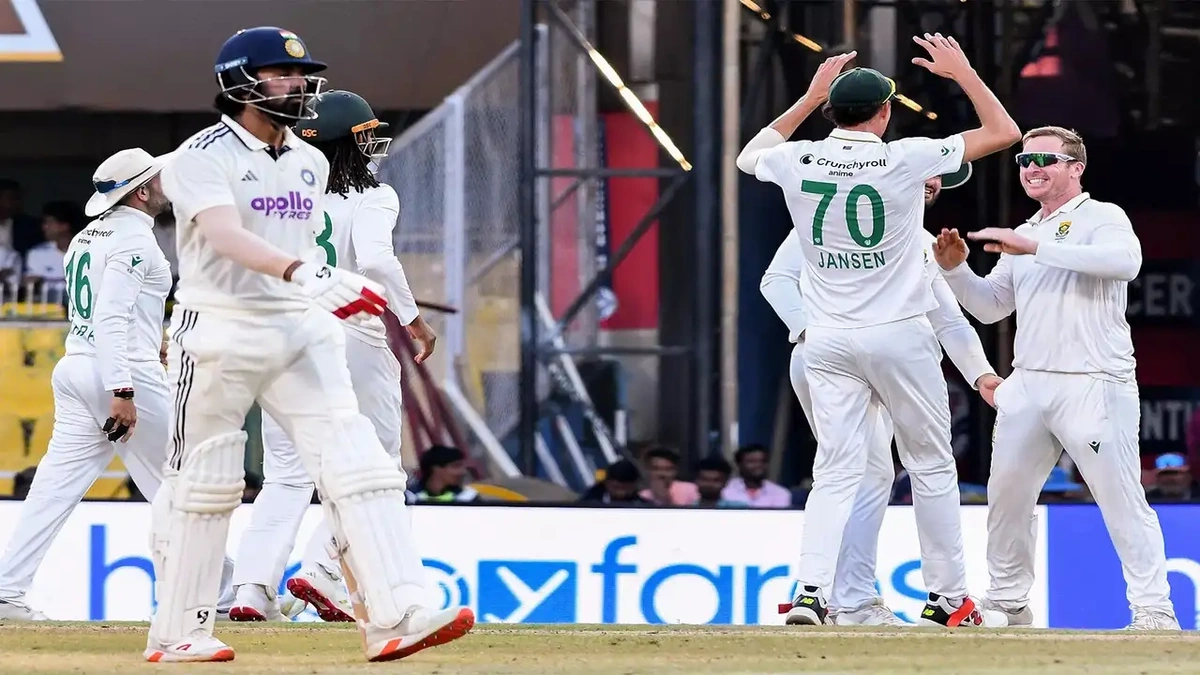
Cricket’s journey in India began under British rule, making it, in a way, a legacy of colonialism. But, and this is a big but, India has transformed it into something entirely its own. It’s a prime example of cultural appropriation done right, wouldn’t you say? Think about it: We took a game imposed upon us and beat the masters at their own game – repeatedly! This victory isn’t just about runs and wickets; it’s a symbolic triumph over the past. Cricket became a symbol of national identity, a way to assert our strength and skill on a global stage. This is one of the main reasons why you see so many Indians hooked on the game, following every match with such passion.
The evolution of Indian cricket isn’t just about matches won or lost. It’s a story of social change, of breaking down barriers and uniting people from all walks of life. From the princely states of the Raj to the streets of Mumbai, cricket provided a common ground, a shared passion that transcended caste, creed, and economic status. The game’s popularity has also increased, as it has become more available through streaming services.
The Tendulkar Effect: A God Among Mortals
Let’s be honest, no discussion about Indian cricket is complete without mentioning Sachin Tendulkar. He wasn’t just a cricketer; he was an icon, an inspiration, a demigod. What fascinates me about Sachin’s impact is that he embodied the aspirations of an entire generation. His struggles, his triumphs, his unwavering dedication – these resonated deeply with Indians who saw in him a reflection of their own dreams. Sachin’s era shaped India’s love for cricket and cemented his legacy forever. But it’s not just about Sachin. It’s about the countless other heroes who have donned the Indian jersey and captured our hearts. The passionate support for cricket can also be attributed to the success of the Indian Premier League and other domestic tournaments.
And, with the rise of social media, you see this level of admiration continue to grow. Today, many fans get to share their comments on platforms, making the experience more engaging.
The Business of Billions: Money, Media, and the Modern Game
Okay, let’s address the elephant in the room: money. The rise of the Board of Control for Cricket in India (BCCI) and the explosion of the Indian Premier League (IPL) have transformed cricket into a multi-billion dollar industry. This commercialization has its critics, of course, but it has also fueled the game’s popularity and reach, bringing it to new audiences and creating opportunities for talented players from all corners of the country. The IPL has made cricket a year round affair. Morne Morkel’s support for Kohli Sharma shows how much talent is involved in the Indian cricket community.
What I find particularly interesting is how the media has shaped our perception of the game. From the early days of radio commentary to the 24/7 news cycle and the rise of social media, the way we consume cricket has changed dramatically. Every ball is analyzed, every decision scrutinized, and every player dissected. This intense media scrutiny can be both a blessing and a curse, but it undoubtedly adds to the drama and excitement of the game. According to a Wikipedia article, cricket is one of the most popular sports in the world, and its growth is largely attributed to the game’s commercialization.
The Future of Cricket in India: Challenges and Opportunities
So, what does the future hold for cricket in India? The game faces several challenges, including issues of corruption, match-fixing, and the need to balance commercial interests with the spirit of the sport. But there are also tremendous opportunities for growth and innovation. The rise of women’s cricket, the increasing focus on grassroots development, and the adoption of new technologies are all positive signs. What I’m personally excited about is the potential for cricket to continue to be a force for good in Indian society. Sport can be a powerful tool for social change, and cricket has the potential to inspire and unite people in ways that few other things can. Let’s be real, this is the game that unites us all.
FAQ: Your Burning Cricket Questions Answered
Why is cricket so popular in India?
It’s a combination of historical factors, cultural significance, the influence of iconic players, and the commercialization of the game. Cricket represents national pride and unity.
How has the IPL changed cricket in India?
The IPL has professionalized the game and given more opportunities to young and emerging talents.
What are the biggest challenges facing cricket in India?
Corruption, match-fixing, and balancing commercial interests with the integrity of the sport are the main challenges.
How can women’s cricket be further promoted in India?
Increased investment, greater media coverage, and grassroots development programs are essential for boosting women’s cricket.
Ultimately, cricket’s popularity in India isn’t just about the sport, it’s a way for us to express ourselves. It’s the only thing that gets families talking, debating, and planning events around. It’s truly a communal event and a representation of India’s cultural identity.
About the Author