6 Oldest Trees | See Earth's Ancient Living Wonders!
We’ve all seen old trees, haven’t we? Maybe you’ve even touched one, felt the deep furrows of its bark, and wondered about the stories it could tell. But have you ever stopped to think about the oldest trees on Earth? Not just old, but ancient living beings that have witnessed centuries unfold. What fascinates me is not just their age, but the incredible resilience they embody. These aren’t just trees; they’re living monuments to time itself. I want to share some of these ancient trees with you and explain why they matter.
Why Should We Care About Ancient Trees?
Okay, let’s be honest. You might be thinking, “So what? They’re just trees.” But here’s the thing: these ancient trees are more than just pretty scenery. They’re vital archives of Earth’s history. Their rings hold clues about past climates, volcanic eruptions, and even human activity. Studying them gives us insights into how our planet has changed and how it might change in the future. Think of them as nature’s hard drives, storing data that could help us navigate the challenges of climate change. What’s more, they are often located in areas with great biodiversity , playing critical roles in their ecosystems. Protecting these trees also means protecting a wealth of other species that depend on them.
And there’s something deeply humbling about standing in the presence of a tree that was alive centuries before you were born. It puts things in perspective, doesn’t it? It reminds us that we’re just a tiny part of a much larger story. It makes you think ofmindfulnessand how slowing down gives you time to connect with nature.
Meet the Ancients | 6 Remarkable Trees
So, who are these ancient wonders? Let’s take a look at six of the oldest trees on earth , each with its unique story:
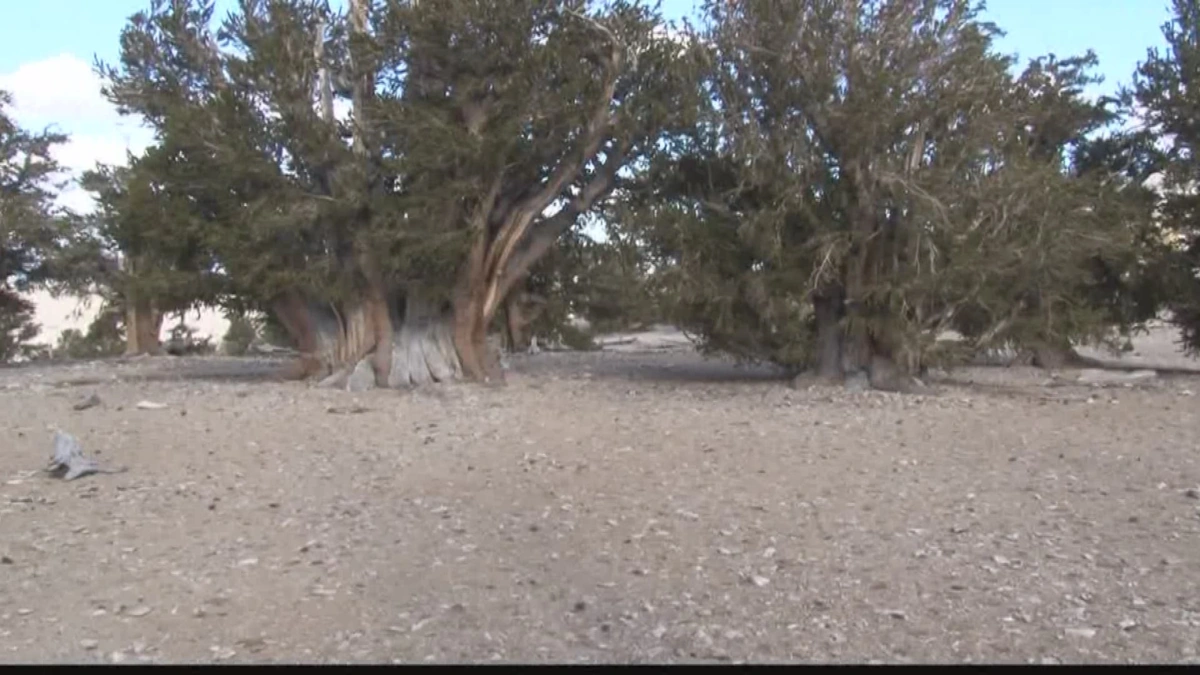
- Methuselah, USA: Hidden somewhere in the White Mountains of California, this Great Basin bristlecone pine is estimated to be over 4,800 years old. Its exact location is kept secret to protect it from vandals. Imagine, this tree was a sapling when the pyramids were being built! The Methuselah tree is a testament to resilience in an unforgiving environment.
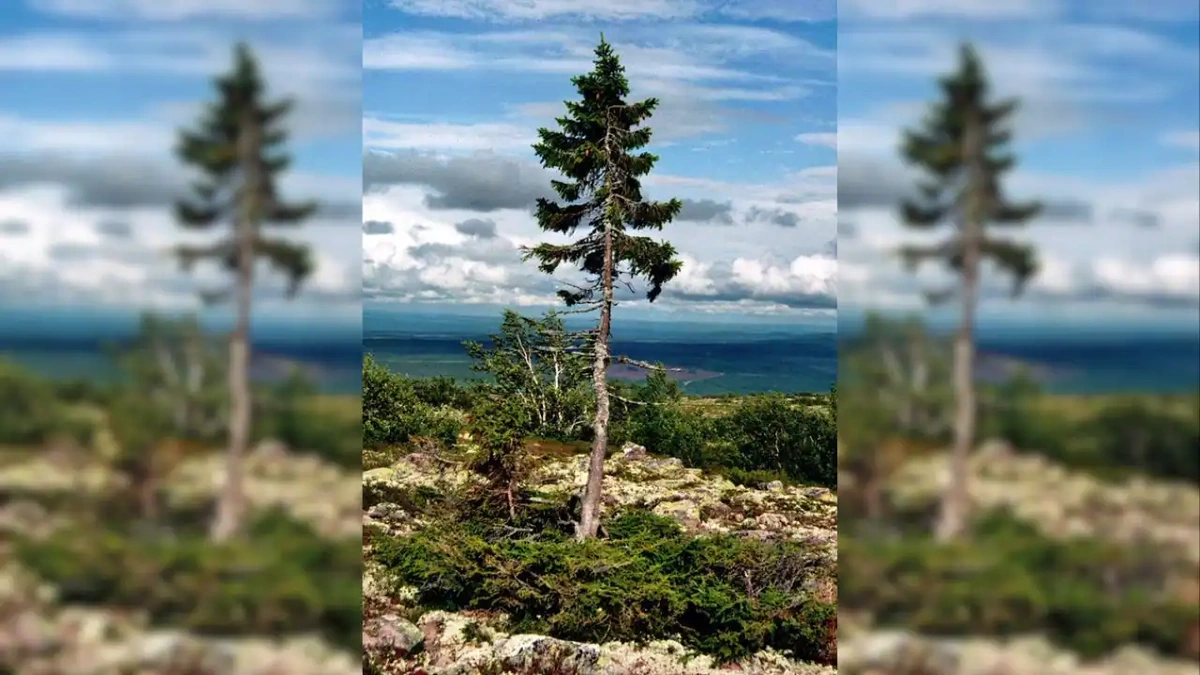
- Old Tjikko, Sweden: This Norway spruce is a relative youngster compared to Methuselah, at around 9,550 years old. However, the tree trunk itself is much younger, but its root system is incredibly old. Old Tjikko clones itself, sending up new trunks as the old ones die. It is living proof of nature’s ability to persevere even in the face of harsh conditions.
- Sarv-e Abarqu, Iran: This Zoroastrian Sarv (a type of cypress) is estimated to be around 4,000 years old. Located in the Yazd province of Iran, it’s considered a national monument. Sarv-e Abarqu has been admired for millennia, and is a powerful symbol of Iranian history and culture.
- Jomon Sugi, Japan: Located on Yakushima Island, this ancient Japanese cedar is estimated to be between 2,170 and 7,200 years old (depending on who you ask!). This makes the Jomon Sugi tree one of the oldest and most respected trees in Japan. Covered in moss and surrounded by lush forest, it’s a truly magical sight.
- The Senator, USA (Unfortunately Destroyed): Once located in Florida, this bald cypress was estimated to be around 3,500 years old. Tragically, it was destroyed by a fire in 2012. The story of The Senator tree serves as a stark reminder of the fragility of these ancient wonders and the importance of protecting them.
- Olive Tree of Vouves, Greece: This olive tree on the island of Crete is estimated to be over 3,000 years old. It still produces olives today, and is a popular tourist attraction. The Olive Tree of Vouves is a living link to ancient Greek civilization.
Threats to the Ancient Ones
Let me rephrase that for clarity: these incredible living beings face numerous threats. Climate change is a major concern, altering weather patterns and increasing the risk of wildfires. Deforestation and habitat loss also pose a significant danger, as does pollution. Vandalism, like what happened to The Senator, is a constant threat. And, honestly, simply being old trees means that they are already more susceptible to diseases and natural disasters.
A common mistake I see people make is thinking that someone else will take care of it. It’s our responsibility to protect these ancient trees for future generations. What fascinates me is that even small actions can make a difference. Supporting conservation organizations, advocating for sustainable forestry practices, and even just educating others about the importance of these trees can help.
What Can We Learn From Old Trees?
So, what’s the takeaway here? What can we learn from these ancient trees? Well, for starters, they teach us about resilience. They’ve survived countless challenges, from droughts and storms to disease and human interference. Their ability to adapt and endure is an inspiration. Understanding tree rings can help us understand the life span and also the impact of certain weather phenomena.
They also remind us of the importance of patience and long-term thinking. These trees didn’t become ancient overnight. They grew slowly and steadily over centuries, weathering the storms and celebrating the sunshine. In a world that often prioritizes instant gratification, they offer a valuable lesson in perseverance. Another takeaway lesson isrespect. I initially thought this was straightforward, but then I realized that respecting the land is paramount.
And finally, they remind us of our connection to nature. Standing in the presence of an ancient tree is a powerful reminder that we’re part of something much larger than ourselves. It’s a humbling experience that can inspire us to live more sustainably and to protect the planet for future generations.
Frequently Asked Questions (FAQ)
What makes a tree “old”?
There’s no specific age that qualifies a tree as “old.” It’s more about its age relative to its species and its significance in its ecosystem. Often, old trees are designated based on size and age.
How can scientists determine the age of a tree?
The most common method is dendrochronology, which involves counting tree rings. Scientists can also use radiocarbon dating to estimate the age of very old or dead trees.
Are the oldest trees always the biggest?
Not necessarily. Some of the oldest trees are relatively small, especially those that grow in harsh environments. Their longevity is more about resilience than size.
What if I want to visit one of these trees?
Do your research! Some trees, like Methuselah, have secret locations to protect them. Others, like the Olive Tree of Vouves, are popular tourist destinations. Remember to be respectful and avoid damaging the tree or its surroundings.
Why is protecting old-growth forests important?
Old-growth forests are vital carbon sinks, play a crucial role in biodiversity, and provide habitat for many endangered species. They also offer invaluable opportunities for scientific research and recreation.
About the Author