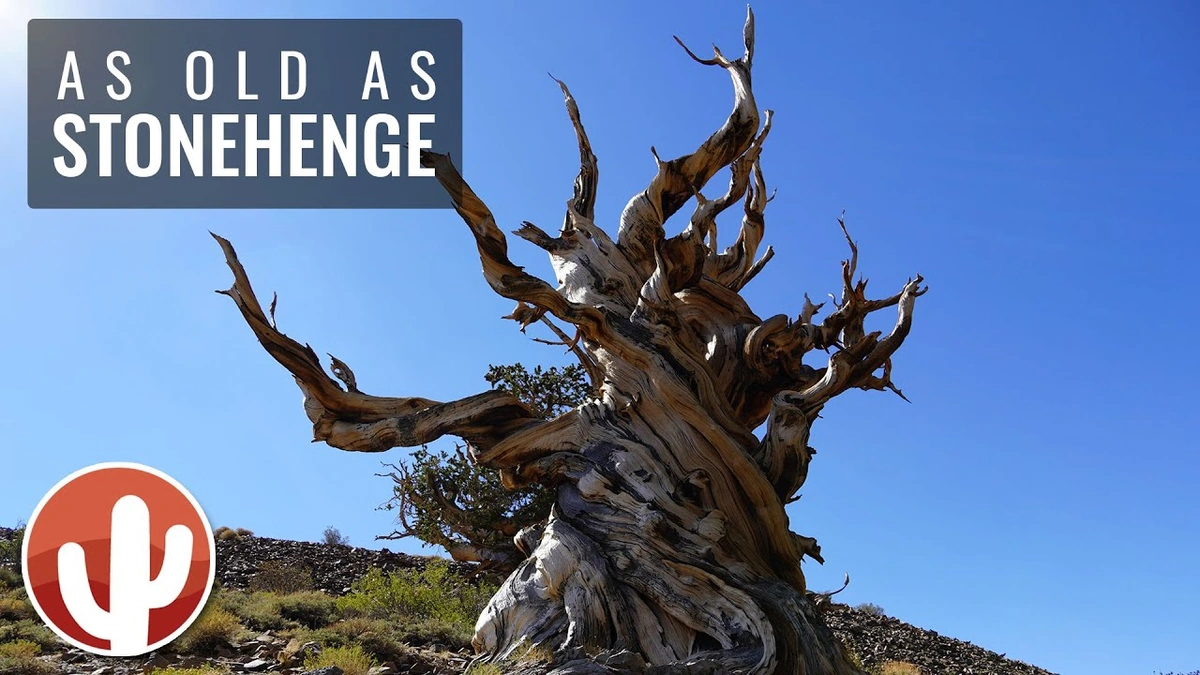
Methuselah Tree | What Makes It So Old?
Imagine standing before a living being that sprouted from the earth nearly 5,000 years ago. I mean, think about it. That’s before the Egyptian pyramids even began to rise! We’re talking about the Methuselah tree , a bristlecone pine clinging to life in the White Mountains of California. Now, you might be thinking, “Okay, cool, an old tree. So what?” But trust me, there’s so much more to this ancient sentinel than meets the eye.
Let’s be honest: the existence of Methuselah isn’t just a cool factoid; it’s a window into deep time, a testament to resilience, and dare I say it a powerful lesson for us modern humans. So, grab your metaphorical coffee, and let’s dive into the “why” behind this incredible tree.
Why Methuselah Matters | More Than Just Old Wood
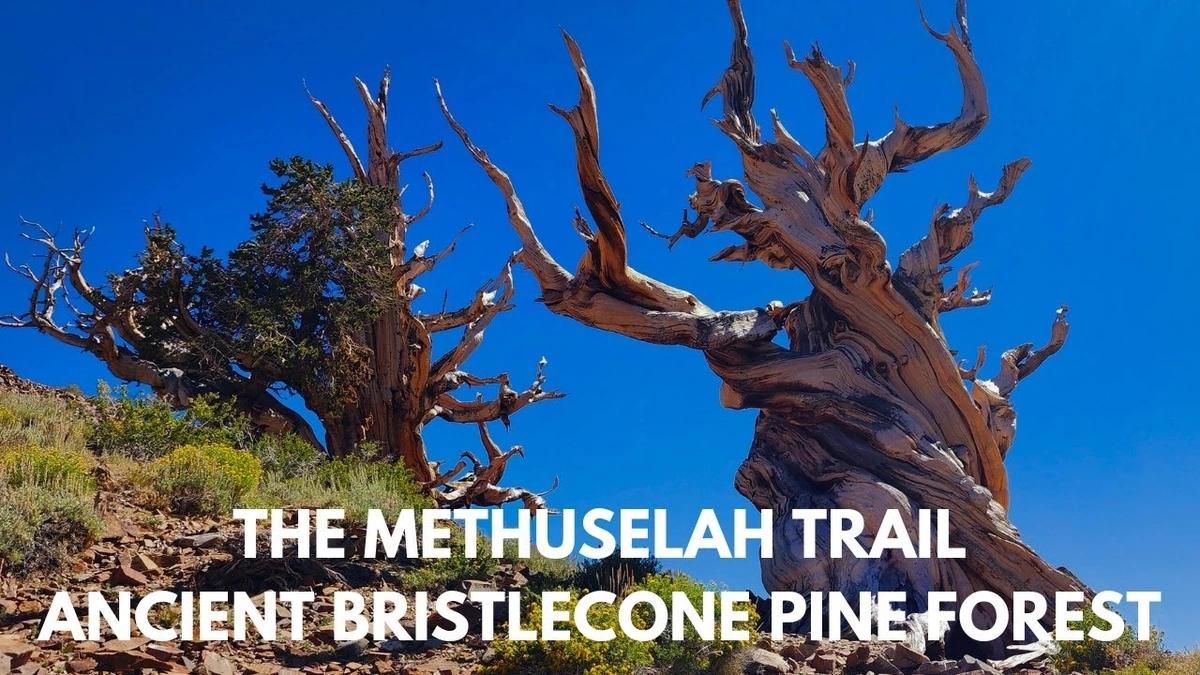
Here’s the thing: Methuselah’s age isn’t just a number. It’s a record. This tree has witnessed millennia of climate change, survived countless storms, and stood strong through periods of drought that would have wiped out less hardy species. Consider this: Scientists believethat by studying Methuselah and other ancient trees, we can glean valuable insights into past environmental conditions and, crucially, predict future climate trends. It’s like having a time capsule, constantly recording data, right there in the forest!
But it’s deeper than just data collection. What fascinates me is the sheer longevity of bristlecone pines . How has this one single organism outlived entire civilizations? The answer lies, in part, in its location. The White Mountains are a harsh environment. The elevation is high, the soil is poor, and the growing season is short. These tough conditions might sound like a death sentence, but they actually slow down the tree’s growth, making its wood incredibly dense and resistant to decay and pests. It’s a survival strategy honed over thousands of years.
And speaking of survival, the location of Methuselah is a closely guarded secret, and here’s why: vandals. In the past, other similarly ancient trees have fallen victim to people seeking souvenirs or simply looking to make a name for themselves. The exact location is hidden to protect it. We need to respect this ancient being.
Decoding the Rings: What Tree Rings Tell Us
You’ve probably heard that you can tell a tree’s age by counting its rings. But those rings tell a much richer story. Each ring represents a year of growth, and its width reflects the environmental conditions of that year. A wide ring indicates a year with plenty of water and sunshine; a narrow ring signifies a year of drought or hardship.
By studying the ancient tree rings of Methuselah and other bristlecone pines, scientists can create detailed climate chronologies that stretch back thousands of years. This information is invaluable for understanding long-term climate patterns and for distinguishing natural climate variability from human-caused climate change. Think of itas a high-resolution historical record, offering insights that no written document can provide.
I initially thought this was a relatively straightforward process, but then I realized the complexity involved in cross-dating tree ring patterns to build these long chronologies. It’s like piecing together a giant jigsaw puzzle, where each piece (each ring) provides crucial information. The work requires incredible precision and expertise.
The Future of the Ancients | Threats and Conservation
Sadly, even the Methuselah tree’s resilience is being tested by the rapid pace of modern climate change. Rising temperatures and altered precipitation patterns are creating new challenges for these ancient trees. While they’ve survived millennia of natural climate variability, they may not be able to adapt quickly enough to the unprecedented changes we’re seeing today.
A common mistake I see people make is assuming that because these trees are so old and hardy, they can withstand anything. But that’s simply not true. They’re vulnerable, just like any other living organism. That’s where the conservation efforts come in. Scientists are carefully monitoring the health of Methuselah and other bristlecone pines, studying their responses to climate change, and developing strategies to protect them. One crucial aspect of this is responsible tourism. It’s important to visit these areas with respect, stay on designated trails, and avoid disturbing the fragile environment.
According to the National Park Service , protecting the ancient bristlecone pine forest is a top priority. And here’s the thing about protecting a single tree like Methuselah , the efforts actually benefit the entire ecosystem. By safeguarding these ancient giants, we’re also protecting the countless other species that depend on the forest for survival.
Lessons from an Ancient Tree | What Can We Learn?
So, what can we learn from a 4,800-year-old tree? Quite a lot, actually. First and foremost, Methuselah teaches us about resilience. It demonstrates the power of adaptation, the importance of long-term thinking, and the ability to thrive even in the face of adversity. What if we were able to adapt and be resilient just like the Methuselah Tree ?
Beyond that, it offers a perspective shift. In a world obsessed with instant gratification and short-term gains, Methuselah reminds us of the value of patience, the importance of preserving our planet for future generations, and the interconnectedness of all living things. Let me rephrase that for clarity: This tree is a living symbol of sustainability.
Consider this: Our lives are fleeting compared to the lifespan of this ancient tree. What will our legacy be? Will we be remembered as the generation that destroyed the environment, or the generation that took action to protect it? The choice is ours.
The Future is in The Past | Preserving the Ancient Bristlecone Pine Forest
The story of Methuselah isn’t just about the past; it’s about the future. By studying this ancient tree, we can gain insights into the challenges and opportunities that lie ahead. It underscores the importance of embracing a long-term perspective and working towards a sustainable future.
And let’s be honest, preserving the ancient bristlecone pine forest isn’t just about protecting trees. It’s about preserving our planet’s history, safeguarding biodiversity, and ensuring that future generations have the opportunity to experience the awe and wonder of these ancient giants.
A common mistake I see people make is thinking that conservation is someone else’s responsibility. But it’s not. It’s everyone’s responsibility. We can all play a role in protecting the environment, whether it’s by reducing our carbon footprint, supporting sustainable businesses, or simply educating ourselves and others about the importance of conservation. You can start here.
FAQ | Methuselah Tree
Where exactly is the Methuselah tree located?
The exact location is kept secret to protect it from vandalism. It is located somewhere in the White Mountains of California.
How old is the Methuselah tree?
It is estimated to be around 4,800 years old.
What kind of tree is Methuselah?
It is a Great Basin bristlecone pine (Pinus longaeva).
Why is the Methuselah tree so important?
It is the oldest known non-clonal organism on Earth. Its tree rings provide valuable information about past climate conditions.
Can I visit the Methuselah tree?
While you can visit the Ancient Bristlecone Pine Forest, the exact location of Methuselah is not disclosed.
What are the threats to the Methuselah tree?
Climate change, pollution, and vandalism are potential threats.
So, next time you’re feeling overwhelmed by the problems of the world, remember Methuselah . Remember its resilience, its longevity, and its wisdom. And remember that even the smallest actions can make a difference in preserving our planet for future generations. Because, ultimately, the fate of the ancient trees is intertwined with our own.
About the Author