Mars Water Myth? New Evidence Shocks!
Okay, let’s be honest. The idea of Mars water – actual, flowing, potentially life-supporting water – has always been the thing that captures the imagination, right? We see those rovers trundling across the rusty landscape, and we dream of finding evidence of past (or present!) Martian life, bubbling away in some hidden oasis. It’s what makes the Red Planet so compelling. But, what if that dream is…well, a bit of a mirage? New evidence is suggesting we need to rethink our understanding of liquid water on Mars. This isn’t just a minor tweak; it’s a potentially seismic shift in our perception. Prepare for a cosmic plot twist.
Why This Matters | The Habitability Question
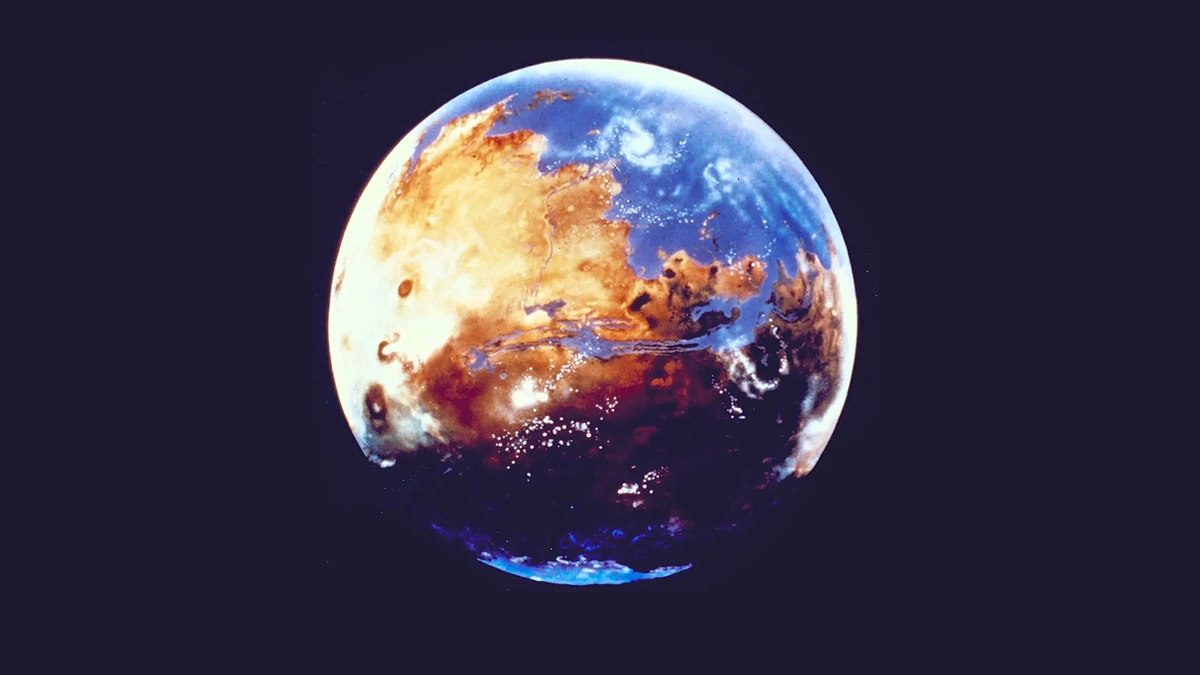
So, why does this challenge to the existence of liquid water even matter? Because, at its heart, it’s about habitability. Where there’s water, there’s potential for life. Or, at least, that’s been our working assumption. The presence of Martian subsurface water has fueled countless studies and missions, all driven by the tantalizing prospect of finding microbial life, past or present. If that water isn’t really there in the way we thought – or is far less accessible – it fundamentally changes our assessment of Mars’s capacity to support life. It affects resource planning for future manned missions, too. Suddenly, finding a sustainable water source becomes an even bigger hurdle. The implications ripple outwards, touching everything from astrobiology to space exploration policy. It challenges our assumptions, and that’s always a good thing, even if it’s a bit disappointing.
The Evidence | Perchlorates and the Illusion of Flowing Water
Here’s the thing: the “evidence” for flowing water on Mars has largely come from observations of recurring slope lineae (RSL) – dark streaks that appear on Martian slopes during warmer months, fading away in colder periods. The prevailing theory was that these were caused by briny, salty water flowing downhill. But a growing body of research points to a different explanation, one involving perchlorates. These are salts found in Martian soil that can lower the freezing point of water dramatically. The problem? Perchlorates don’t necessarily mean flowing water. They could be drawing moisture from the atmosphere. Think of it like this: have you ever left a bag of potato chips open on a humid day? They get soggy, right? That’s because the salt in the chips is hygroscopic, meaning it attracts moisture from the air. The same could be happening on Mars, with perchlorates acting as the culprit, creating the illusion of Martian water ice flow without any actual liquid water involved. As perUSGS, more research needs to be done regarding perchlorates.
Digging Deeper | Understanding the Role of Perchlorates
Let’s delve a bit deeper into these perchlorates, because they’re kind of the key to this whole debate. Perchlorates are chemical compounds containing chlorine, and they’re abundant in Martian soil. We know this thanks to missions like the Phoenix lander and the Curiosity rover, which have both detected significant concentrations of these salts. But here’s where it gets interesting: perchlorates not only lower the freezing point of water; they can also absorb moisture from the atmosphere, even at very low temperatures. This process, called deliquescence, could create thin films of highly salty water on the surface, even when the overall temperature is well below freezing. These films, however, are unlikely to be substantial enough to form the flowing streams we once envisioned. It’s more like a damp patch than a river. And that significantly reduces the odds of finding life as we know it. I initially thought this was straightforward, but then I realized the complexity of chemical reactions on Mars.
Implications for Future Mars Missions
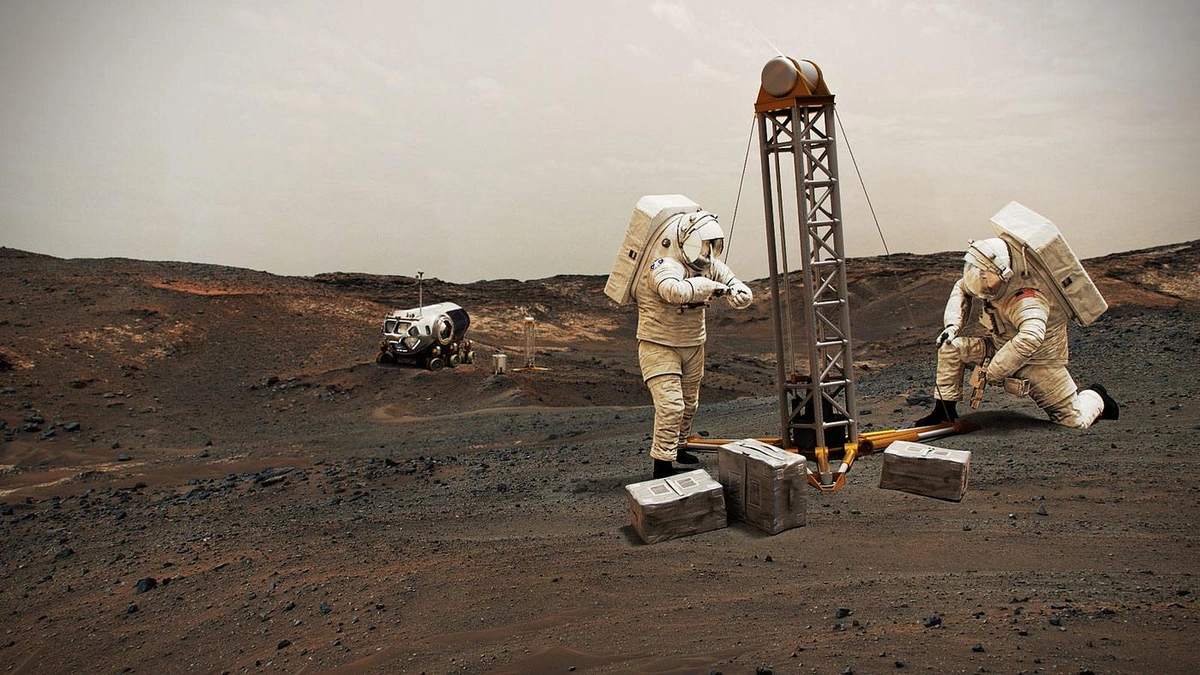
So, what does all this mean for future missions to Mars? Well, for one thing, it underscores the need for even more sophisticated methods of detecting subsurface water . We can’t rely solely on visual observations of RSL or on the presence of perchlorates as indicators of flowing water. We need to drill deeper, use advanced radar technology, and conduct detailed chemical analyses of the soil. It also means we need to be more realistic about the challenges of finding water for resource utilization. Extracting water from perchlorate-rich soil could be energy-intensive and require complex processing. This doesn’t mean we should abandon the search for water on Mars. Far from it. But it does mean we need to approach the challenge with a more nuanced understanding of the Martian environment and a more realistic assessment of the resources required. Consider other potential locations, too.
The Broader Picture | The Dynamic Martian Environment
Ultimately, this new evidence highlights the fact that Mars is a far more dynamic and complex environment than we previously imagined. It’s not just a cold, dead rock. It’s a planet with its own unique chemistry, its own atmospheric processes, and its own subtle interactions between the surface and the subsurface. Understanding these interactions is crucial, not only for assessing the habitability of Mars but also for understanding the evolution of planetary environments in general. The search for water ice deposits on Mars, or lack thereof, teaches us a lot about how planets work. And that knowledge, in turn, can help us better understand our own planet and the conditions that make it habitable. Let me rephrase that for clarity: questioning our assumptions about Mars forces us to refine our understanding of planetary science across the board. And that’s a win, regardless of whether we find a Martian oasis or not.
FAQ About Water on Mars
Frequently Asked Questions
What is the evidence that challenges the existence of liquid water on Mars?
Recurring Slope Lineae (RSL), dark streaks observed on slopes during warmer months, were initially believed to be caused by flowing water. However, research suggests that perchlorates, salts abundant in Martian soil, might be attracting moisture from the atmosphere, creating the illusion of flow without actual liquid water.
What are perchlorates, and how do they affect the possibility of liquid water?
Perchlorates are chemical compounds containing chlorine found in Martian soil. They can lower the freezing point of water and absorb moisture from the atmosphere through a process called deliquescence, potentially creating thin films of salty water.
How does this new evidence impact the search for life on Mars?
If the presence of liquid water is less abundant than previously thought, it reduces the odds of finding life as we know it. The availability of water is a critical factor in determining habitability.
What are the implications for future Mars missions?
It emphasizes the need for more sophisticated methods of detecting subsurface water, such as drilling deeper and using advanced radar technology. It also requires a more realistic assessment of the resources required to extract water from perchlorate-rich soil.
Where else should we look for water on Mars?
While RSL sites are still of interest, scientists are also exploring other potential locations for water, such as polar regions and subsurface ice deposits. Data collected by NASA’s Mars Reconnaissance Orbiter indicate the potential for subsurface water at higher elevations and latitudes.
Is there absolutely no chance of finding water on Mars?
Not at all! These findings simply mean that the type and location of water might be different than initially thought. The search continues, focusing on more advanced detection methods and a deeper understanding of Martian geology and chemistry.
So, where does this leave us? Well, the story of Martian water is far from over. This new evidence isn’t a full stop; it’s more like a comma. It encourages us to ask better questions, design more innovative experiments, and refine our understanding of a planet that continues to surprise us. And isn’t that what science is all about? The dream of finding life on Mars might be a little more challenging, but it’s certainly not dead.
About the Author