Mars Lake Secret | NASA Finally Reveals the Truth!
Okay, folks, buckle up. We’ve got a mystery on Mars , and after seven long years, NASA might have finally cracked the case! Now, when I first heard about this “lake puzzle,” I pictured something out of a sci-fi movie – a shimmering oasis in the middle of the rusty red desert. The reality, of course, is a bit more… geological. But trust me, it’s no less fascinating. The “why” angle here is all about understanding why this discovery is such a big deal and what it tells us about the potential for past – or even present – life on the Red Planet.
The Case of the Disappearing Water
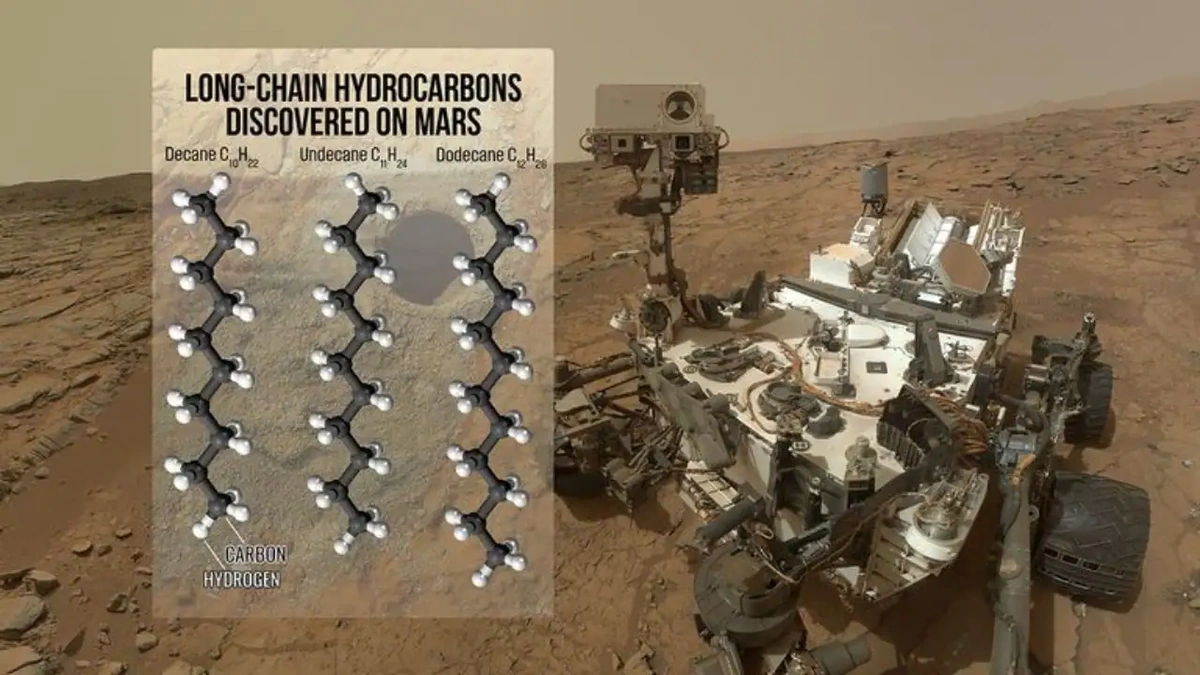
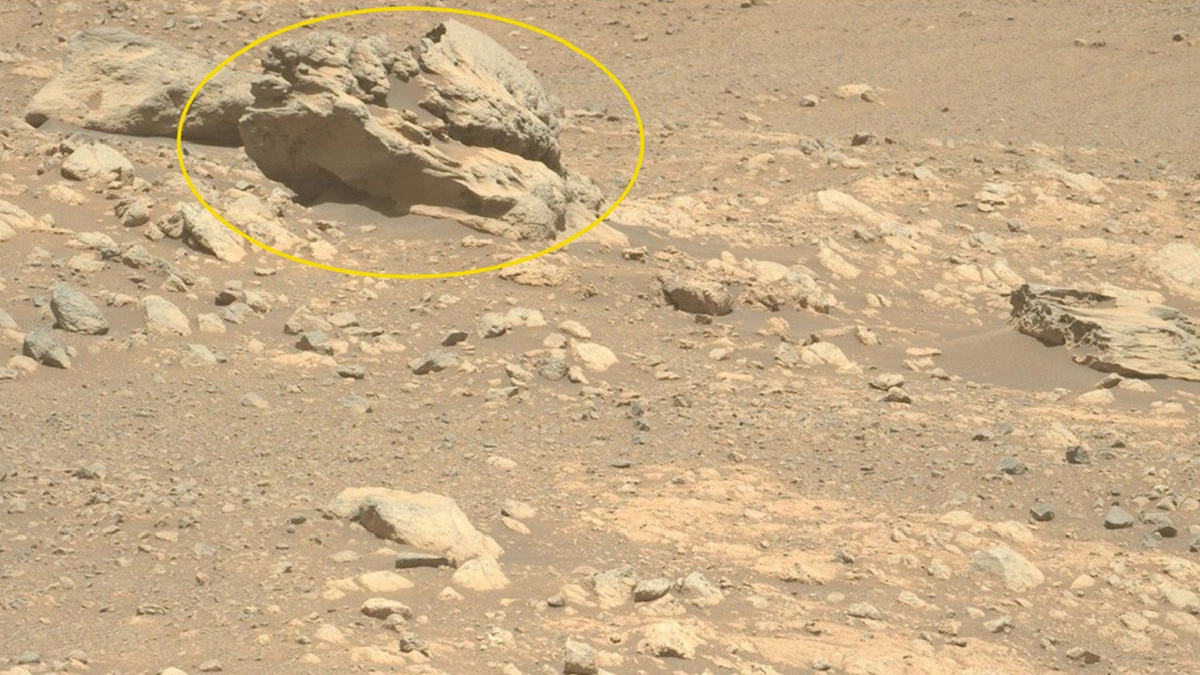
So, what exactly is this “lake puzzle”? Well, for years, scientists have been scratching their heads over evidence of ancient lakes on Mars . We’re talking about evidence gleaned from various NASA missions , including the Curiosity rover and orbiting satellites. Think about it: standing water on Mars suggests a warmer, wetter past – conditions that could have supported microbial life. But here’s the rub: where did all the water go?
That’s been the million-dollar question. We know Mars is bone-dry now, with a super-thin atmosphere and freezing temperatures. So, something dramatic had to have happened. The prevailing theory, for a long time, was that the water simply evaporated into space, lost to the Martian atmosphere. But new research is challenging that idea. And that’s why this puzzle is so intriguing.
The Salty Solution: Minerals and Mars
Here’s the fascinating part: scientists are now suggesting that a significant amount of this water isn’t actually gone. Instead, it’s trapped in the Martian soil, bound up in mineral structures. Think of it like this: when these ancient lakes dried up, they left behind concentrated salts. These salts then interacted with the water that was still present, forming hydrated minerals – essentially, water molecules locked inside crystal lattices.
What fascinates me is that this process – mineral hydration – is something we see happening here on Earth all the time, especially in arid environments. So, the idea that it could be responsible for the disappearance of Martian lakes is, well, it makes a lot of sense. As per the findings published in the journal Nature, data from Mars rovers supports the presence of these hydrated minerals. The team found evidence of minerals like sulfates and chlorides, known for their water-absorbing properties.
But, here’s the thing. This new understanding of how Mars lost its water has huge implications for the search for life on the Red Planet. How? Well, these hydrated minerals might actually be protecting any remaining microbial life from the harsh Martian environment.
What Does This Mean for the Search for Life?
Let me rephrase that for clarity: If water is locked away in these minerals, it could create tiny, localized pockets of habitability, even in the present day. The one thing you absolutely must remember is that this doesn’t mean there are swimming pools full of Martian microbes. But it does raise the possibility that life could be clinging on in these subsurface reservoirs. I initially thought this was straightforward, but then I realized how nuanced it truly is.
And that’s why this discovery is so important. It changes the way we think about the potential for life on Mars . Instead of searching for evidence of past oceans, we might need to focus on these smaller, more localized environments. That’s where the action could be!
New Research and Mars Exploration
So, what’s next? Well, NASA is already planning future missions to Mars , including the Mars Sample Return mission, which aims to bring samples of Martian soil back to Earth for detailed analysis. These samples could provide crucial evidence to support (or refute) the hydrated mineral theory. According to the Mars Exploration Program, the mission is scheduled for the 2030s.
The Curiosity rover, for example, continues to trundle across the Martian surface, analyzing the composition of rocks and soil. And who knows what other secrets it might uncover? A common mistake I see people make is thinking that space exploration is all about flashy rockets and dramatic discoveries. But the real work is in the painstaking analysis of data, the slow and steady piecing together of the puzzle.
And, let’s be honest, that’s what makes it so rewarding. It’s like being a cosmic detective, solving a case that’s millions of years old. If you are interested in Mars mission, consider exploring this page to learn more about space exploration.
Frequently Asked Questions
FAQ
What exactly was the “lake puzzle” on Mars?
The “lake puzzle” refers to the discrepancy between evidence of ancient lakes on Mars and the lack of surface water today. Scientists have been trying to figure out where all the water went.
How did NASA solve the Mars lake puzzle?
The latest research suggests that much of the water is trapped in hydrated minerals in the Martian soil, rather than simply evaporating into space.
What are hydrated minerals?
Hydrated minerals are minerals that have water molecules incorporated into their crystal structure. They can form when salts interact with water, trapping the water within the mineral.
Does this mean there is life on Mars?
While it doesn’t confirm the existence of life, the discovery raises the possibility that microbial life could be surviving in localized pockets of water within these hydrated minerals.
What’s next in Mars exploration?
NASA is planning future missions, including the Mars Sample Return mission, to further investigate the composition of the Martian soil and search for evidence of past or present life. Also consider going through solar storm impact to gather more knowledge on space.
Are there any other factors influencing Martian geology?
Yes, volcanic activity, asteroid impacts, and changes in the planet’s orbit have all played significant roles in shaping Mars over billions of years.
So, there you have it. The Mars lake puzzle, potentially solved! It’s a reminder that even in the most seemingly barren landscapes, there are still mysteries to uncover and possibilities to explore. And who knows? Maybe, just maybe, we’re one step closer to finding life beyond Earth.
About the Author