Saturn's Rings Vanishing? See It Nov 23!
Alright, space enthusiasts! You might have heard whispers that Saturn’s magnificent rings are about to vanish. And yes, there’s truth to it, but before you grab your telescopes in a panic, let’s clarify: they aren’t actually disappearing. It’s a matter of perspective and geometry. Think of it as a cosmic optical illusion. This November 23rd (and in the months around it), Earth will pass through the plane of Saturn’s rings. What does this mean, exactly? Well, buckle up; we’re about to dive into the why, how, and wow of this celestial event, especially how us folks in India can catch a glimpse. It’s time to get a better understanding of Saturn’s rings !
The ‘Why’ Behind the Vanishing Act | Tilt and Perspective
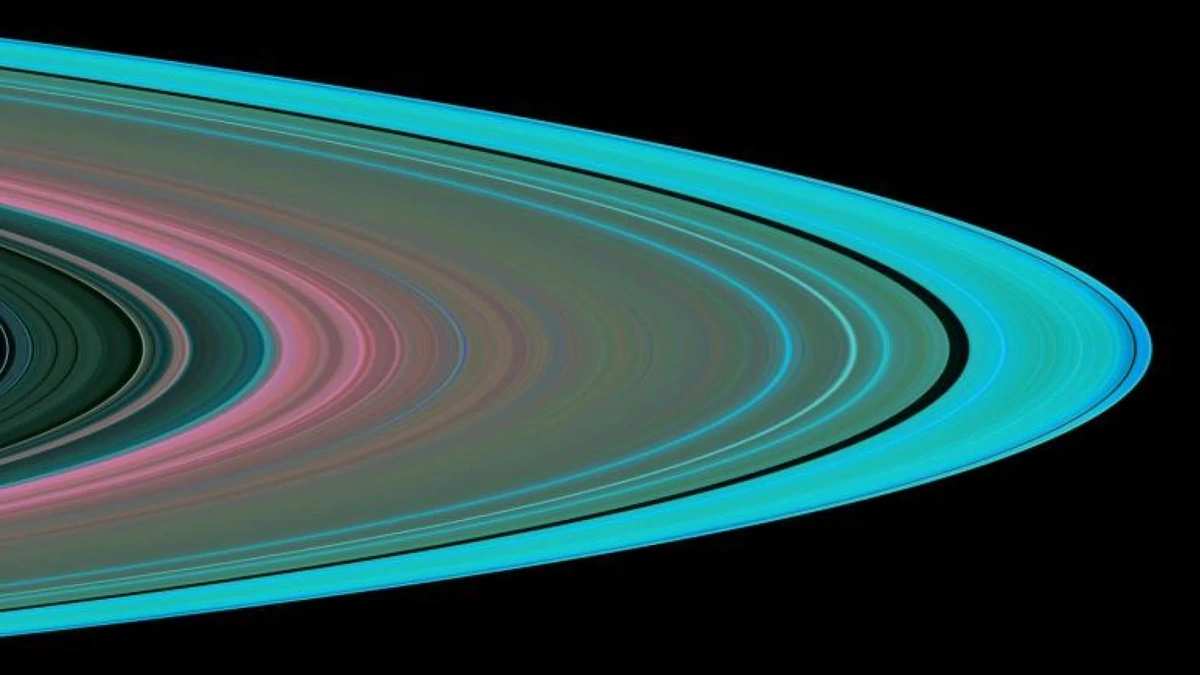
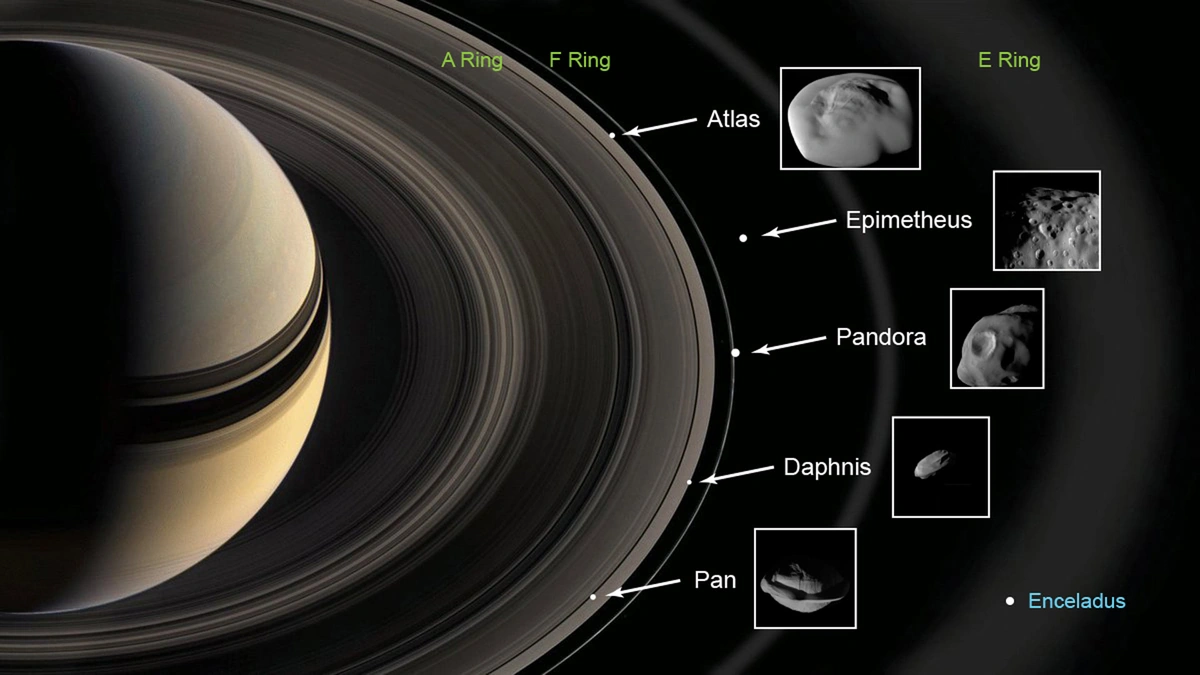
Here’s the thing: Saturn’s rings aren’t some solid, impenetrable disc. They’re made up of countless particles – ice, rock, dust – all orbiting the planet like tiny, icy moons. These rings are incredibly wide, stretching hundreds of thousands of kilometers, but they’re also remarkably thin – often only a few meters thick! Now, Saturn is tilted on its axis, much like Earth. As Saturn orbits the Sun, we see the rings from different angles. Sometimes we have a stunning, wide-open view. Other times, like now, we see them nearly edge-on. When we view them edge-on, the rings appear to shrink, or even ‘disappear’. It’s like looking at a sheet of paper directly from the side – it practically vanishes! What fascinates me is how geometry dictates what we see in the vastness of space.
This event isn’t a once-in-a-lifetime occurrence; it happens roughly every 13.7 to 15.7 years because of Saturn’s orbit around the Sun. But what is special is the opportunity it presents. A disappearing act of the rings allows astronomers (both professional and amateur) to observe Saturn itself without the glare of the bright rings. It’s like the stage lights dimming, letting the main performer shine. But, why is this important? Well, for one, it gives scientists a chance to study Saturn’s atmosphere and moons with greater clarity. Plus, it’s a cool reminder of how dynamic our solar system is, and these vanishing rings are important for planetary observation .
Viewing Tips for India | How to Spot Saturn’s Rings (Or Lack Thereof!)
Okay, let’s get practical. How can you witness this cosmic spectacle from India? Unfortunately, seeing Saturn’s rings ‘disappear’ with the naked eye is nearly impossible. The rings are just too faint, and the effect is too subtle. You’ll need some help. Here’s where binoculars or a telescope come in handy. A small telescope will provide a much clearer view, allowing you to see Saturn as a slightly elongated object, rather than just a point of light. This elongation indicates the rings, even when they’re edge-on.
But, and this is crucial, timing is everything. The exact date of the best viewing will depend on your location and the clarity of the sky. As per variousastronomy resources, start looking a few weeks before and after November 23rd. Look towards the western horizon after sunset. Clear skies are essential, so check your local weather forecast. Also, find a location away from city lights to minimize light pollution. The darker the sky, the better your chances of spotting Saturn.
And don’t be disheartened if you don’t see the rings ‘disappear’ entirely. Even a slight narrowing of the rings is a fascinating sight. What I initially thought was a straightforward observation turned out to be a game of patience and precision. A common mistake I see people make is using too high magnification. Start with a lower power to find Saturn, then gradually increase magnification. Remember, a wobbly image from high magnification is worse than a stable image at lower power.
Beyond the Visual | The Significance of Saturn’s Rings
Saturn’s rings aren’t just pretty to look at. They’re a treasure trove of information about the formation and evolution of our solar system. Scientists believe that the rings are relatively young, perhaps only a few hundred million years old. What fascinates me is the speculation that they could be the remnants of a shattered moon or a captured comet that ventured too close to Saturn’s gravitational pull. The rings are constantly changing, with particles colliding and exchanging material. It’s a dynamic and complex system, a miniature version of the solar system itself.
Studying the rings helps us understand the processes that shaped the planets and moons. For example, the Cassini spacecraft, which orbited Saturn for 13 years, provided invaluable data about the rings’ composition and structure. This data is helping scientists piece together the puzzle of how these rings formed and how they’re evolving. It also gives a look into celestial mechanics .
So, while the ‘disappearance’ of Saturn’s rings is a visual phenomenon, it’s also an invitation to delve deeper into the mysteries of the cosmos. It’s a reminder that even seemingly static objects in space are constantly changing and evolving. It also puts the solar system into perspective.
The Emotional Angle | A Moment of Connection
Let’s be honest, looking up at the night sky and contemplating the vastness of space can be both awe-inspiring and a little humbling. To know that we’re just a tiny speck in this grand cosmic dance, witnessing a fleeting moment like the ‘disappearance’ of Saturn’s rings, connects us to something larger than ourselves. It’s a reminder of the beauty and wonder that exist beyond our everyday lives. It’s also about astronomical events .
That moment of finding Saturn in the night sky, of catching a glimpse of its rings – even if they appear faint or narrow – is a moment of pure connection. It’s a shared experience that transcends borders and cultures. It unites us in our curiosity and our shared quest to understand the universe. And hey, if you miss it this time around, don’t worry! Saturn will still be there, its rings will eventually reappear in full glory, and the cosmos will continue its captivating dance. You can also view past Saturn ring system images.
You may also find great joy in viewing other astronomical events.
FAQ About Saturn’s Rings and Their ‘Disappearance’
Frequently Asked Questions
Why do Saturn’s rings appear to disappear?
It’s an optical illusion! Earth passes through the plane of Saturn’s rings, making them appear edge-on and very thin.
Can I see the rings disappear with my naked eye?
Unlikely. Binoculars or a telescope are recommended for viewing this event.
When is the best time to view Saturn’s rings disappearing?
Around November 23rd, but check local astronomy resources for precise timing in your location.
What if I miss the event?
Don’t worry! This happens roughly every 13.7 to 15.7 years.
Will the rings actually disappear forever?
No! They’ll reappear as Saturn continues its orbit and our viewing angle changes.
What equipment is needed to view Saturn’s rings?
Binoculars or a telescope are ideal, along with a dark location and clear skies.
About the Author