Moss vs. Space | The SHOCKING Truth!
So, moss walks into a bar… No, wait. That’s not how this story goes. This is far more fascinating. What if I told you that something as seemingly simple as moss , the green stuff you see growing on rocks and trees, could hold a key to… space exploration? You’d probably raise an eyebrow. But here’s the thing: recent research indicates that moss withstands space radiation far better than we ever imagined. And that changes, well, just about everything.
I initially thought, okay, cool. Moss is tough. But then I dug a little deeper, and I realized the implications are huge. We’re not just talking about a slightly interesting botanical factoid. We’re talking about a potential game-changer for how we approach long-duration space missions, terraforming other planets, and even protecting our own here on Earth. As RMCL Universe reports, scientists have been studying the resilience of moss for years, but these latest findings have really blown the lid off what we thought was possible.
The ‘Why’ | Unpacking the Science of Moss’s Resilience
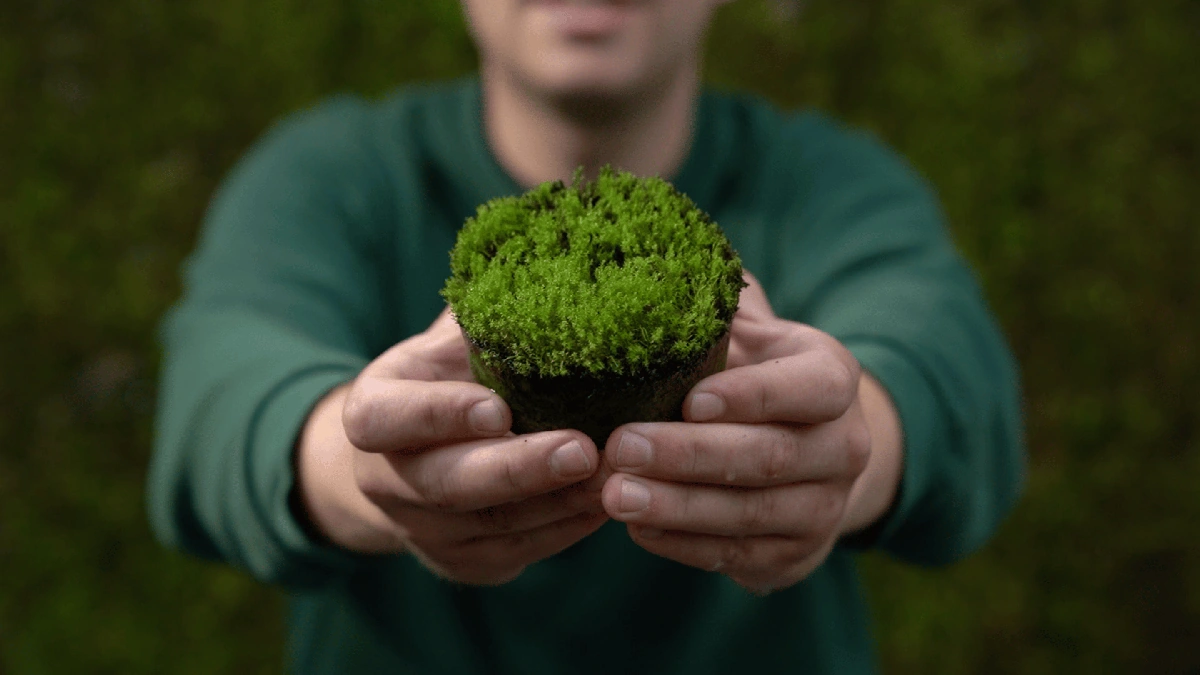
Let’s be honest, most of us don’t spend our days pondering the radiation resistance of bryophytes. But that’s where the real magic lies. What fascinates me is how this unassuming plant has evolved to survive some of the harshest conditions imaginable. We know that space radiation is a major hurdle for any long-term space travel. Astronauts are exposed to significantly higher levels of radiation than we are on Earth, which can lead to a whole host of health problems, from increased cancer risk to damage to the central nervous system. The deeper implications for astronaut health during extended missions are significant.
The current methods of shielding astronauts from radiation are bulky, heavy, and expensive. Think layers of aluminum and complicated water-based systems. But what if we could supplement those with something lighter, more sustainable, and, dare I say, more elegant? Enter moss .
Scientists have discovered that certain species of moss possess unique cellular mechanisms that allow them to repair DNA damage caused by radiation exposure at a surprisingly high rate. It’s not just that they can tolerate radiation; they can actively fix the damage. This resilience is attributed to specialized proteins and antioxidants within the moss cells that neutralize harmful free radicals produced by radiation. And so, these are the reasons why moss is radiation resistant .
The ‘How’ | Moss as a Spacefaring Ally
So, how can we harness this remarkable ability? This isn’t about scattering moss seeds on Mars and hoping for the best (although, wouldn’t that be cool?). The potential applications are far more sophisticated. One idea is to incorporate moss extracts or bio-derived compounds into radiation shielding materials for spacecraft and habitats. Imagine a lightweight, flexible shield infused with the regenerative power of moss. It’s a far cry from heavy metal plating.
Another exciting avenue is the use of moss in bioregenerative life support systems. These systems aim to create closed-loop environments that recycle air, water, and waste. Moss , with its ability to absorb carbon dioxide and release oxygen, could play a vital role in maintaining a breathable atmosphere on long-duration missions. As a bonus, it would also help filter out harmful pollutants and toxins.
Moss | Beyond Space – Earthly Applications
But it’s not just about space. The lessons we learn from moss’s radiation resistance could have significant implications for our own planet. Consider the areas affected by nuclear disasters, such as Chernobyl or Fukushima. These regions are still contaminated with high levels of radiation, making them uninhabitable. Moss could be used in phytoremediation efforts to help clean up these contaminated sites, absorbing radioactive elements from the soil and water. Talk about moss for radiation cleanup !
And , let’s not forget the potential medical applications. Researchers are exploring whether the DNA repair mechanisms found in moss could be adapted to protect human cells from radiation damage during cancer treatments. Imagine using moss-derived compounds to reduce the side effects of radiation therapy and improve patient outcomes. It’s a fascinating area of research with potentially life-saving implications.
Addressing the Challenges | What’s Next for Moss Research?
Of course, there are still challenges to overcome. We need to identify the specific species of moss that are most radiation-resistant and understand the underlying mechanisms at a molecular level. We also need to develop sustainable methods for cultivating and harvesting moss on a large scale, both in space and on Earth.
Scientists are also investigating the long-term effects of radiation exposure on moss. Will it maintain its resilience over multiple generations? Can it adapt to even higher levels of radiation? These are critical questions that need to be answered before we can fully embrace moss as a spacefaring ally. The research is ongoing, but the early results are incredibly promising.
The potential for moss in space exploration , environmental remediation, and medicine is truly remarkable. It’s a testament to the power of nature to adapt and thrive in the face of adversity. Next time you see moss growing on a rock, take a moment to appreciate its hidden superpowers. You might just be looking at the future of space travel.
FAQ About Moss and Radiation
What types of moss are most resistant to radiation?
Several species, particularly those found in harsh environments, exhibit high resistance. Specific research focuses on species from areas with naturally high background radiation.
Can moss completely block radiation?
No, moss doesn’t completely block radiation. However, its unique cellular mechanisms allow it to repair DNA damage caused by radiation exposure, making it highly resilient.
How can moss be used in space exploration?
It can be incorporated into radiation shielding materials, used in bioregenerative life support systems to recycle air and water, and potentially help create sustainable habitats.
Is moss safe to handle after it has been exposed to radiation?
It depends on the level and type of radiation. After absorbing radioactive elements, the moss itself may become contaminated. It’s essential to follow safety protocols when handling moss from contaminated areas.
What other plants can survive in space?
Besides moss, plants like Arabidopsis thaliana (Thale Cress), dwarf wheat, and certain types of algae have shown promise for space cultivation due to their resilience and ability to grow in controlled environments.
Where can I learn more about moss and radiation resistance?
You can find more information on scientific databases like PubMed, research articles published in journals such as “Astrobiology,” and websites of space agencies like NASA and ESA.
Moss’s resilience to space radiation isn’t just a cool scientific fact; it’s a paradigm shift. It challenges us to think differently about how we approach space exploration and environmental challenges. It reminds us that sometimes, the most powerful solutions are found in the most unexpected places. And for humanity, that could be the key to reaching for the stars and securing our future, both on and off this planet.
About the Author