Starliner's Future? NASA's Shocking Contract Cut!
Okay, folks, let’s talk Starliner . You’ve probably seen the headlines: NASA is scaling back its contract with Boeing for the Starliner program, making the final two flights optional. Sounds simple, right? Just another day in the world of space exploration. But here’s the thing and this is where it gets interesting this decision speaks volumes about the current state of the commercial space race and NASA’s evolving priorities. It’s not just about one spacecraft; it’s about the bigger picture of how we’re getting to space and who’s leading the charge. It’s also about the potential future of private space initiatives. Let’s dive in, shall we?
Why NASA’s Starliner Decision Matters
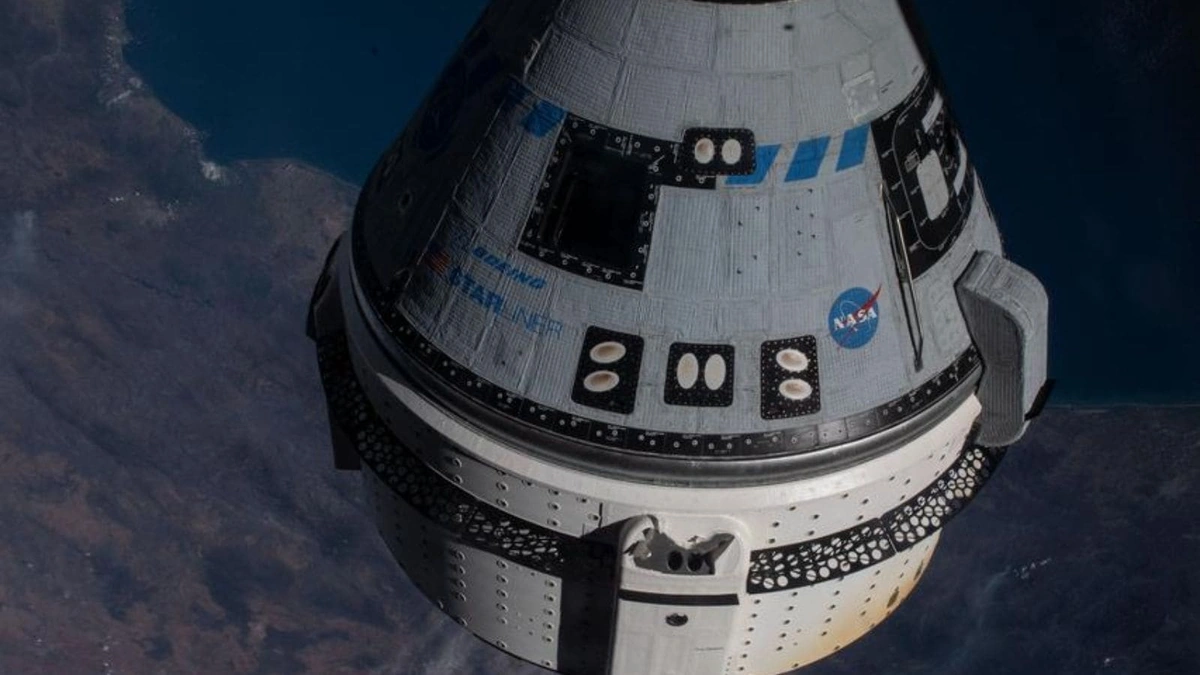
So, why should you, sitting there in India, care about NASA tinkering with a space contract? Well, consider this: Space exploration isn’t just about national pride or scientific discovery anymore (though those are still huge!). It’s becoming increasingly commercial. Think about the implications: advancements in materials science, communications technology, and even medical research. All of these things have trickle-down effects that impact our daily lives, even if we’re not launching rockets ourselves. The Boeing Starliner’s journey affects the future of commercial spaceflights. But, let’s be honest, it’s been a bumpy road.
What’s fascinating to me is the shift in NASA’s strategy. They’re diversifying. They’re not putting all their eggs in one basket (or spacecraft). The rise of SpaceX and other private players has changed the game. NASA isn’t solely reliant on traditional aerospace giants anymore. This creates competition, which, in theory, drives innovation and lowers costs. A common mistake I see people make is assuming that this decision is a failure for Boeing. It’s more nuanced than that. It’s about NASA adapting to a new landscape. This is partially due to the increased availability of commercial crew transportation , such as SpaceX’s Dragon spacecraft.
And, that leads us to….
The SpaceX Factor
Let’s be upfront: SpaceX has been killing it. They’ve demonstrated reliability, cost-effectiveness, and a knack for innovation that has, frankly, put pressure on the old guard. SpaceX, under Elon Musk, has successfully launched numerous crewed missions to the International Space Station (ISS), proving that private companies can handle the complexities of human spaceflight. Their Falcon 9 rocket and Dragon spacecraft have become workhorses, and NASA has taken notice. But , what does this have to do with Starliner ? Well, it’s simple: NASA has options now. They don’t need Starliner as desperately as they once did. This gives them leverage to renegotiate contracts and prioritize value.
I initially thought this was a straightforward case of one company outperforming another, but then I realized it’s deeper than that. It’s about the entire ecosystem. NASA is fostering a competitive environment, and that’s good for everyone in the long run – including taxpayers, researchers, and dreamers. This decision allows NASA to allocate resources more efficiently, potentially freeing up funds for other critical programs, such as lunar exploration under the Artemis program or deep-space missions.
Commercial Crew Program: A New Era?
The Commercial Crew Program itself is a testament to NASA’s evolving approach. It’s a public-private partnership designed to stimulate the growth of the commercial space industry. Instead of building and operating spacecraft themselves, NASA provides funding and expertise to companies like Boeing and SpaceX, who then develop and operate their own systems. This approach has several advantages. First, it reduces the financial burden on taxpayers. Second, it fosters innovation by encouraging competition. Third, it creates new jobs and economic opportunities in the private sector. As per the guidelines mentioned in the information bulletin, these programs are necessary to achieve greater advancement.
Let me rephrase that for clarity: NASA is essentially outsourcing space travel. This isn’t without its risks, of course. But the potential rewards are enormous. Imagine a future where space travel is as common as air travel. It sounds like science fiction, but the foundations are being laid right now. The future of space exploration might look very different from what we imagined. NASA aims to further utilize commercial partners, and this change to the Starliner contract reflects this.
The Future of Starliner
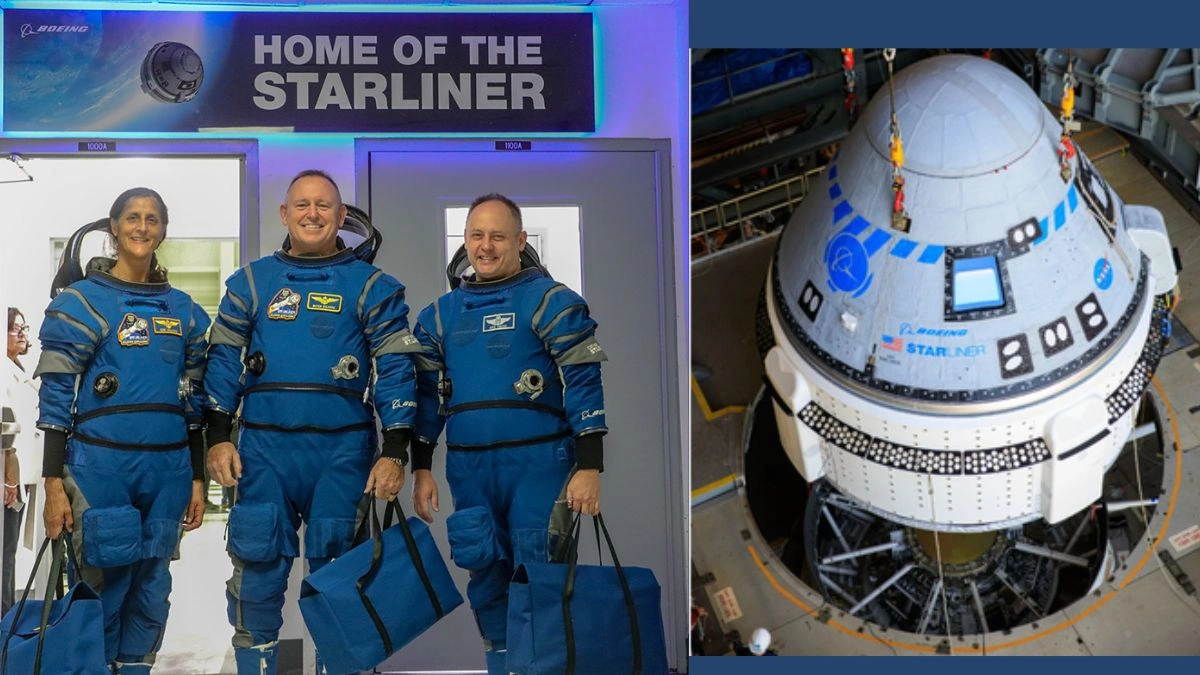
So, what does this mean for the Boeing Starliner itself? Well, it’s not necessarily the end of the line. The final two flights are now optional, meaning NASA can choose whether or not to proceed with them. This decision will likely depend on the performance of future Starliner flights and the overall needs of the ISS program. If Boeing Starliner demonstrates consistent reliability and cost-effectiveness, NASA may opt to continue using it. But if it continues to face challenges, NASA may choose to rely more heavily on SpaceX or other providers.
What fascinates me is the resilience of the space industry. Setbacks are inevitable, but innovation always finds a way. Starliner faced several delays, testing anomalies, and redesigns; NASA’s recent decision to reduce the contract underscores the program’s ongoing challenges. These hurdles have definitely impacted timelines and budgets. The one thing you absolutely must double-check on is all testing is preformed correctly and efficiently. Boeing needs to prove that Starliner can be a dependable option for transport to the ISS. According to the latest circular on the official NASA website, the safety of the astronauts remains the priority.
Looking Ahead | Space Exploration and India
For India, this shift in the global space landscape presents both opportunities and challenges. On the one hand, the rise of commercial space companies creates new avenues for collaboration and partnership. Indian companies can potentially participate in the development of new technologies, supply components, or even launch their own commercial missions. On the other hand, India will need to continue investing in its own space program to remain competitive. The Indian Space Research Organisation (ISRO) has made impressive strides in recent years, but it will need to adapt to the changing dynamics of the global space industry. And, the Boeing Starliner’s contract changes could mean more commercial opportunities for other companies, possibly including ones in India.
The space race is no longer a two-horse race between superpowers. It’s a multi-faceted competition involving governments, private companies, and international collaborations. And, that’s a good thing. It means more innovation, more opportunities, and ultimately, a more exciting future for space exploration. This includes International Space Station missions. The rise of commercial spaceflight signifies the shift toward more sustainable and accessible space exploration.
FAQ Section
What exactly does “optional flights” mean for Starliner?
It means NASA isn’t obligated to use the final two flights outlined in the original contract. They can choose to proceed or rely on other providers.
Is this the end for Starliner?
Not necessarily. If Starliner performs well, NASA might still use those flights. It’s a performance-based decision.
How does this affect SpaceX?
It potentially gives SpaceX a larger share of the crew transport market, at least in the short term.
What if Starliner continues to have problems?
NASA will likely rely on SpaceX and other emerging providers to transport astronauts to the ISS.
Will this impact the Commercial Crew Program?
The program will continue. But expect some adjustments, especially regarding contract allocations.
Could Indian companies benefit from this?
Potentially, yes. It could open doors for collaboration and supply opportunities in the commercial space sector. There could be a mission extension for the Starliner or other space crafts.
So, here’s the final insight: the NASA/ Starliner situation isn’t a simple win-or-lose scenario. It’s a complex adaptation to a rapidly evolving space industry. And it’s a reminder that the future of space exploration will be shaped by competition, innovation, and a healthy dose of flexibility.
About the Author