Saturn's Rings Disappear? November's Amazing View!
Alright, space enthusiasts in India, gather ’round! You know how we’re always gawking at Saturn and its glorious rings? Well, hold onto your chai, because this November, things are going to look… different. Different in a way that’s actually pretty darn cool.
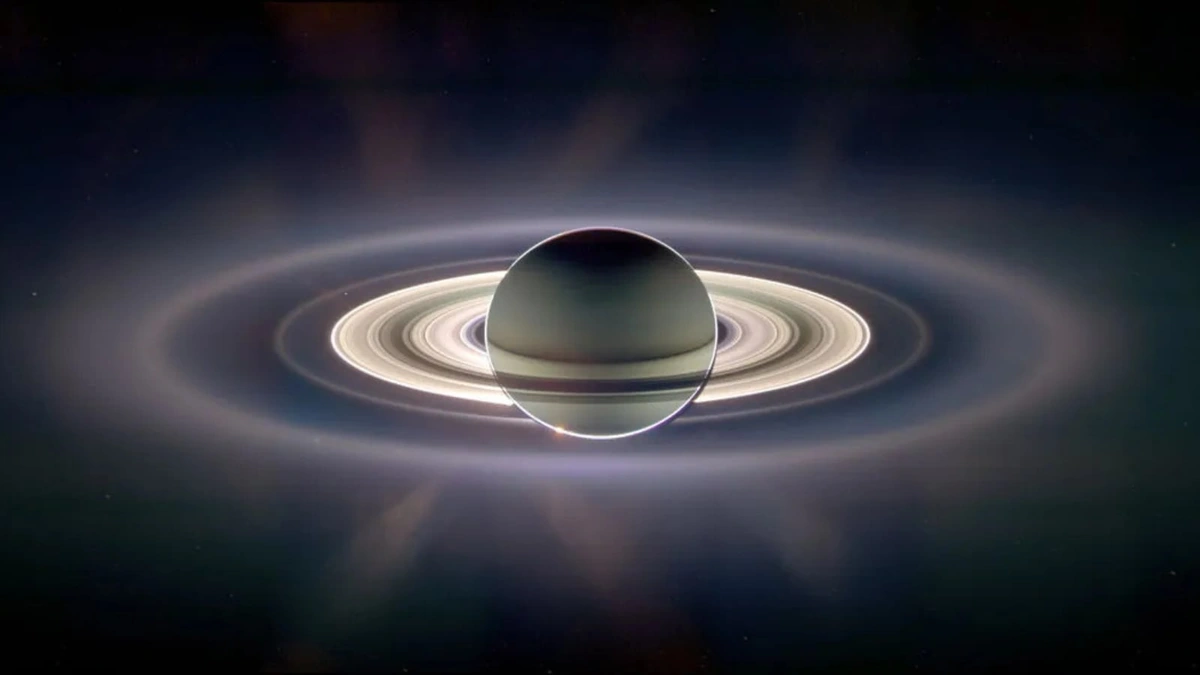
The rings, the iconic feature of Saturn, are going to appear to vanish! I know, sounds like some cosmic magic trick, right? But it’s all about perspective, baby! Here’s the thing: this celestial event happens because of Earth’s position relative to Saturn’s orbit .
Why Saturn’s Rings “Vanish” | The ‘Why’ Angle
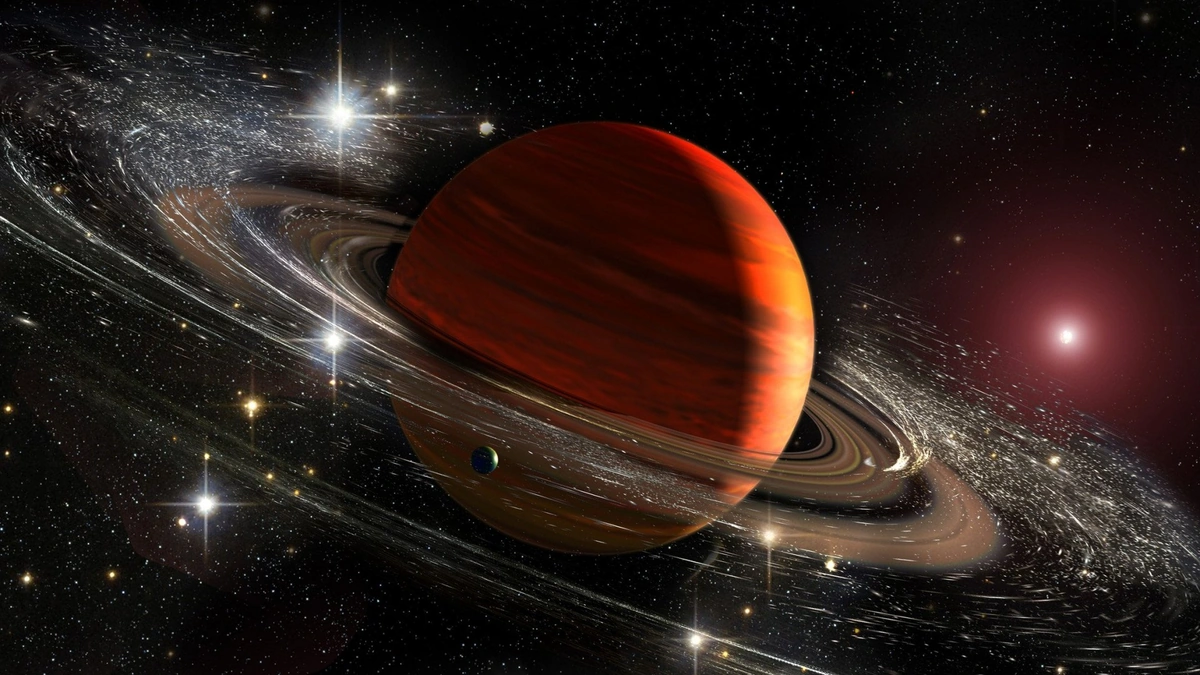
So, here’s the deal. Saturn’s rings aren’t actually disappearing. They’re just tilting edge-on to Earth. Think of it like holding a thin plate at eye level – when it’s perfectly edge-on, you can barely see it. That’s essentially what’s happening with Saturn’s rings. They’re so thin (relatively speaking, of course, they’re still massive!) that when we view them edge-on, they seem to vanish.
But why does this matter? Well, for one, it’s a fantastic opportunity to appreciate the solar system’s geometry. It’s a cosmic reminder that our perspective shapes what we see. Plus, it lets us see Saturn itself without the glare of the rings, offering a clearer view of the planet’s bands and zones.
Also, scientists use this time to study Saturn’s fainter moons and features that are usually obscured by the bright rings. It’s like cleaning your glasses – suddenly, you can see all the details you were missing before. It’s a rare chance to observe things that are normally hidden in plain sight. This includes a better view of the saturnian moons that orbit close to the planet.
And let’s be honest – it’s just plain cool! How often do you get to witness something that makes you rethink your understanding of something as familiar as Saturn ?
How to View Ringless Saturn in India | A Step-by-Step Guide
Okay, so you’re pumped to see this. Great! But how do you actually do it? First, you’ll need to know when and where to look. This November, Saturn will be visible in the evening sky, appearing as a bright, yellowish “star.”
Here’s the thing: you probably won’t see the rings vanish completely with the naked eye. You’ll need at least a small telescope or even a good pair of binoculars. But even with the naked eye, you can appreciate Saturn’s brightness without the rings’ usual glare.
A common mistake I see people make is not checking the weather forecast. A clear night is essential, obviously. Also, try to get away from city lights as much as possible. Light pollution can seriously hamper your viewing experience.
If you’re using a telescope, start with a low magnification to find Saturn , then gradually increase the magnification for a better view of the planet itself. Play around with the focus to get the sharpest image. And be patient! It might take a few minutes to get everything dialed in just right.
Don’t have a telescope? No sweat! Many astronomy clubs and observatories host public viewing nights. Check online for events near you. It’s a great way to see Saturn through a powerful telescope and learn from experienced stargazers. Be sure to check websites such asspace.com for viewing dates and times.
The Emotional Connection | A Moment of Wonder
Think about it: for centuries, people have looked up at the night sky and wondered about the universe. Saturn , with its rings, has always been a symbol of beauty and mystery. To witness those rings seemingly disappear, even for a brief time, is to connect with that sense of wonder. It’s a reminder that the universe is constantly changing and that there’s always something new to discover.
That moment of awe, when you finally spot Saturn and realize that something extraordinary is happening, is a feeling that stays with you. It’s a moment that transcends the everyday and connects you to something much larger than yourself.
What fascinates me is how something so far away can evoke such strong emotions. It’s a testament to the power of the universe and its ability to inspire us. And let’s be honest, in a world that often feels chaotic and uncertain, a moment of cosmic wonder is something we could all use.
Saturn’s Impact on Culture and Mythology
Saturn isn’t just a planet; it’s a cultural icon. From ancient mythology to modern science fiction, Saturn has captured our imaginations for centuries. In Roman mythology, Saturn was the god of agriculture, wealth, and liberation. The planet’s rings have inspired countless works of art, literature, and music.
And in modern times, Saturn continues to fascinate us. It’s a reminder of the vastness and complexity of the universe. The exploration of Saturn and its moons, especially by missions like Cassini, has revealed incredible details about the planet’s atmosphere, geology, and potential for life.
It’s amazing how a single planet can hold so much meaning for so many people. It links us to the past through mythology and pushes us towards the future with ongoing scientific exploration. Check out some information about Saturn’s last ring vanishing.
So, as you gaze at Saturn this November, remember that you’re not just looking at a planet. You’re looking at a symbol of human curiosity, exploration, and our enduring connection to the cosmos.
Saturn’s visibility during this period will allow novice stargazers to easily identify it in the night sky. It’s an excellent opportunity to introduce children to astronomy and spark their interest in space exploration.
The ring’s orientation offers unique opportunities for scientists. The study of saturn’s atmosphere during this time can reveal details usually hidden by the rings’ glare. This is a great time for observation.
The Future of Saturn Observation
While we can enjoy this ringless Saturn view this November, future observations will undoubtedly reveal even more about this fascinating planet. Space telescopes like the James Webb Space Telescope will provide unprecedented views of Saturn and its moons, potentially uncovering new discoveries about the planet’s formation, composition, and potential for harboring life.
And let’s not forget about future missions to Saturn . Scientists are constantly proposing new missions to explore the planet and its moons in greater detail. These missions could involve sending probes into Saturn’s atmosphere, landing on its icy moons, or even deploying robotic submarines to explore the subsurface oceans of Enceladus and Titan. It’s all part of better understanding this beautiful planet.
As technology advances, our ability to observe and understand Saturn will only continue to grow. Who knows what secrets this ringed wonder holds? But one thing is for sure: Saturn will continue to captivate and inspire us for generations to come. Remember, also to read up about a recent solar storm impact.
FAQ About Viewing Saturn’s Rings
Will the rings completely disappear?
No, they won’t vanish entirely. They’ll appear very thin and faint, almost edge-on to our view.
What’s the best way to see Saturn’s rings?
A telescope is ideal, but even binoculars will offer a better view than the naked eye. Also, a place with dark skies will help.
What if I miss the event this November?
Don’t worry, this happens roughly every 13-16 years. You’ll have another chance to see it in the future!
Is there anything special I should look for besides the rings?
Pay attention to the planet’s bands and zones, which will be more visible without the glare of the rings.
Can I photograph ringless Saturn with my phone?
It’s tough, but not impossible! Use a telescope or binoculars with a phone adapter, and try experimenting with different settings.
Will this affect Saturn’s gravitational pull?
Absolutely not. The rings are still there; we’re just seeing them from a different angle. So saturn’s gravitational force is unaffected by its appearance from Earth.
So, there you have it. Saturn , ringless (sort of), and ready for its close-up this November. Get out there, look up, and experience a moment of cosmic wonder. You won’t regret it!
About the Author